
Coverall in Saudi Arabia From Bangladesh Workwear Manufacturer Lines Built for Site Work
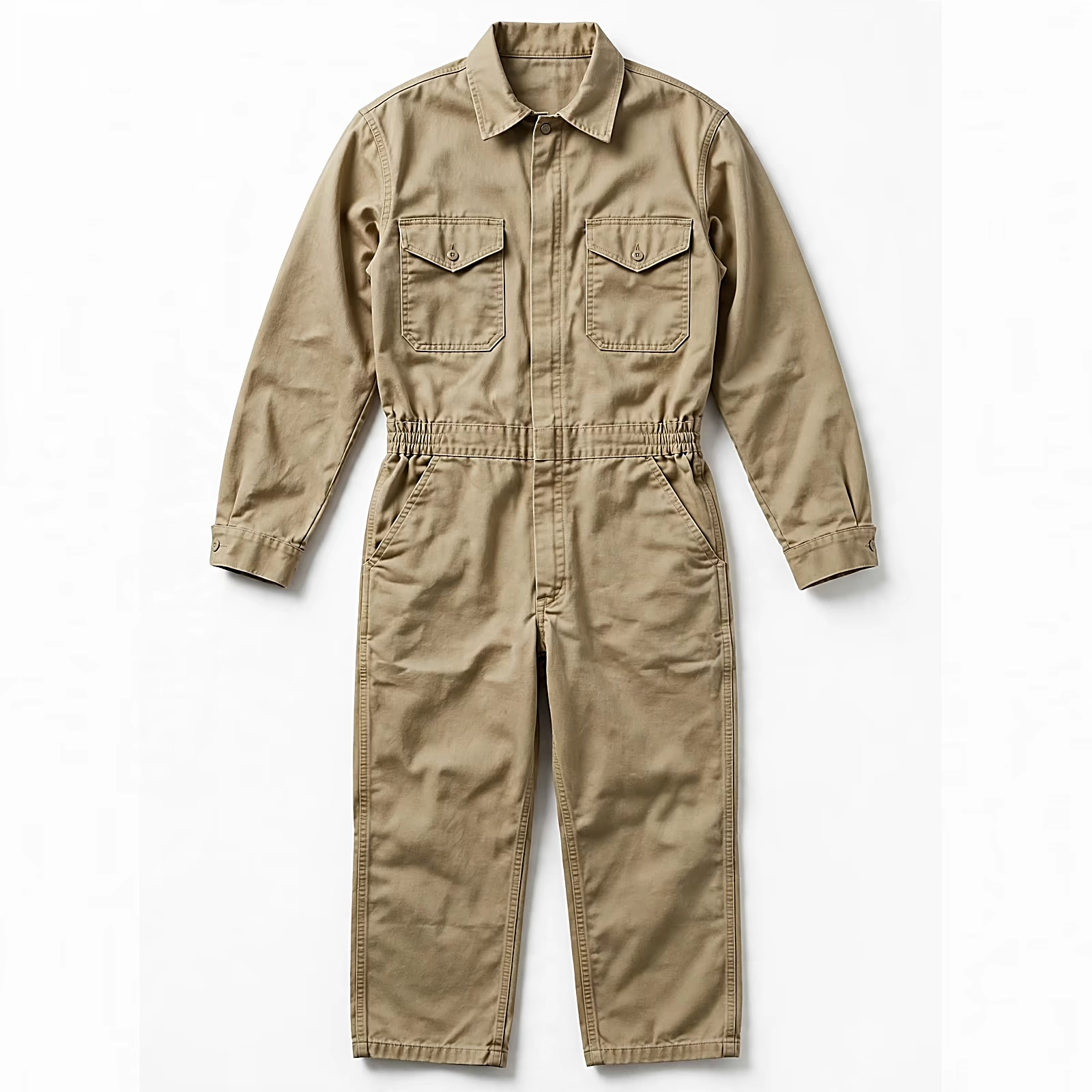
A boiler suit is the garment a workforce actually lives in, and in Saudi Arabia it lives hard: heat that punishes heavy cloth, dust that finds every seam, and shifts that run long. This khaki twill coverall is built for that reality, with the pockets, waist and front a working man uses fifty times a day.
Siatex Bangladesh Limited manufactures the full garment in Bangladesh, embroidery and tape work included where a programme carries them. As a coverall in Saudi Arabia from Bangladesh workwear manufacturer lines go, the rule is simple: Saudi contractors and suppliers deal with the factory itself, so the specification agreed at sampling is the specification that arrives, order after order.
Why Khaki Twill Leads Gulf Workwear
Khaki hides site dust better than any other colour, which is why it has been the Gulf’s workwear colour for decades. Twill weave gives the cloth its diagonal strength: it resists the abrasion of scaffolding, concrete and cargo work while staying lighter on the body than canvas. The fabric view shows that diagonal clearly, the sign of a true twill and not a printed imitation.
An Elastic Waist That Works All Shift
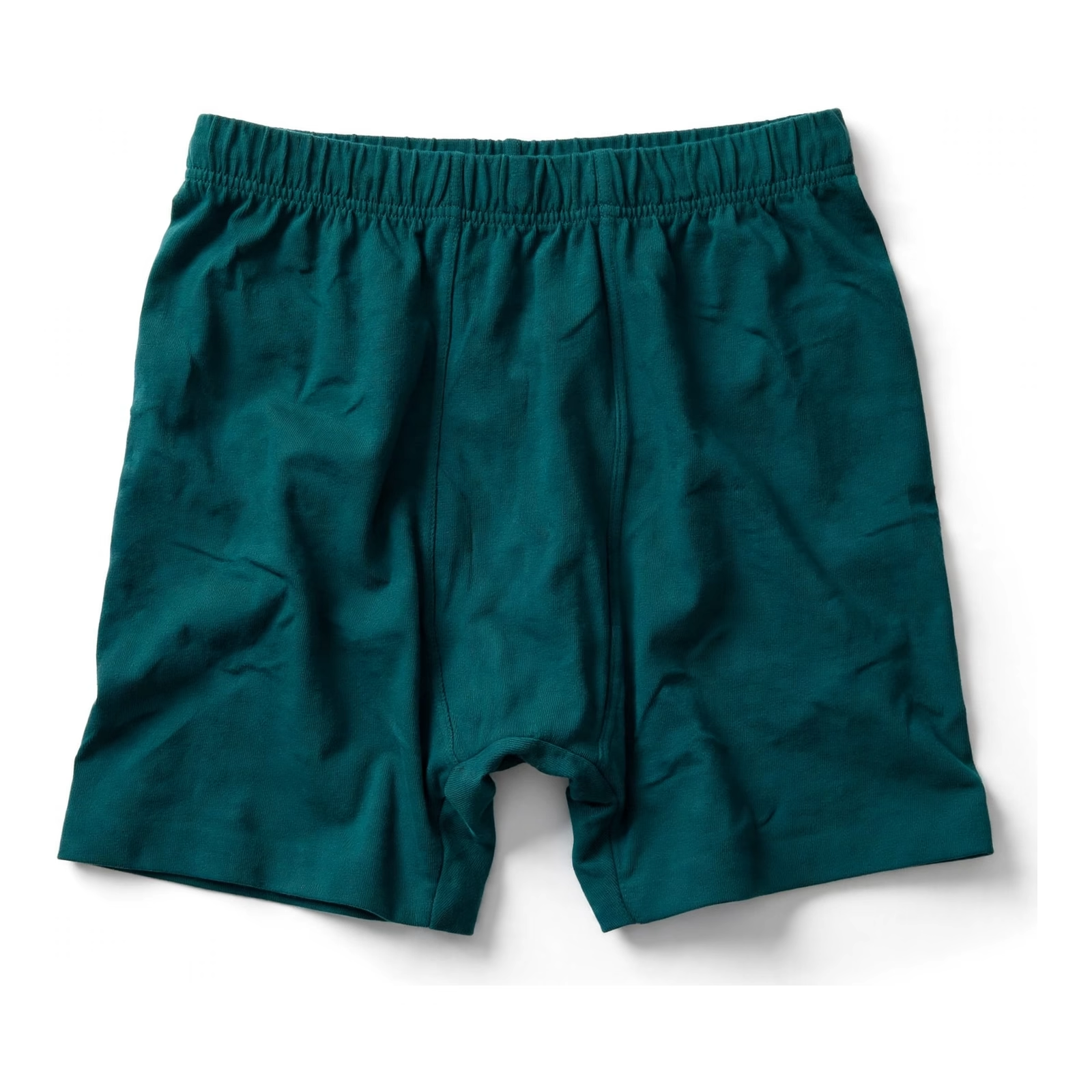
The waist is elasticated all round, front and back, so the suit bends, climbs and lifts with the wearer instead of fighting him. The pocket view shows the gathering up close: even, strong and finished so the elastic cannot roll inside its channel.
A Button Front Built for Speed
Crews change fast, in cabins and containers, so the front is a full button stand with a covered placket line, shown in the detail view. Buttons are sewn for site life, and the stand is reinforced where hands pull at it every day.
The Boiler Suit Part by Part
The close views show the parts a workwear buyer checks: pockets, placket, twill and the waist and leg finish.
Chest, Collar and Sleeves
- Two buttoned chest pockets with pointed flaps
- A shirt collar that sits flat under straps and harnesses
- Long sleeves with buttoned cuffs that roll and stay
Pockets, Waist and Legs
- Deep slanted side pockets, bartacked at the stress points
- Two back pockets with buttoned flaps
- Straight legs with room over boots, hems stitched deep
Seams and Inside Finish
- Flat-felled main seams, the strongest join in workwear
- No loose threads at pockets, placket or cuffs
- An inside finish that does not rub on long shifts
Where Saudi Buyers Place This Coverall
Construction and maintenance contractors across Riyadh, Jeddah and the Eastern Province issue it as the standard site suit. Workshops, logistics yards and facility management teams use the same garment where one suit has to cover office visits and yard work in the same day.
Construction and Industrial Crews
For site crews, the programme usually adds company embroidery at the chest and back, and reflective tape where the safety plan requires it. Both are sampled on the real garment first, so the approved suit is the suit that arrives on site.
Facilities, Workshops and Services
Facility and service teams wear the suit in public, so the khaki is shade checked across the whole order and the packing is sorted by size and crew, ready for issue day. A clean, matching workforce is part of the contractor’s own tender image.
Build Sheet for This Coverall
| Item | Specification |
|---|---|
| Style | Men’s boiler suit coverall, long sleeve |
| Colour | Khaki, or your own company colours |
| Fabric | Cotton twill, hard-wearing weave |
| Front | Full button front with covered placket |
| Pockets | Two chest, two side, two back pockets |
| Waist | Fully elasticated waist |
| Sizes | S to 3XL, tall fittings on request |
| Branding | Your woven neck label, embroidery option |
| Origin | Made in Bangladesh |
Your Label Inside the Collar
The label view shows your woven label at the inside back neck, in the black and white standard buyers read at a glance. On workwear, that label carries the supplier’s or contractor’s name through hundreds of industrial washes, and it is sewn to survive every one of them.
The size mark sits beside the label, so stores can issue by size from a packed carton without unfolding a single suit.
Workwear Checks Before a Saudi Order Ships
Workwear fails in specific ways: pocket corners tearing out, elastic giving up, buttons walking off, shade drifting between the first carton and the last. Our checks target those points: bartack strength at pocket corners, elastic recovery after stretch, button pull tests, and colour across the whole order under standard light.
Every size is measured before packing, because a coverall that binds at the shoulder or drags at the leg is a safety complaint on site, not a comfort note.
Samples in Your Own Specification
Sampling begins with the suit itself in your middle size, built to your specification: your pocket layout, your tape positions where required, your embroidery at its real size. Only an approved sample goes forward to bulk.
The measurements signed off there become the audit standard for production, size by size, and the approved sample travels with the order as its reference.
Colours and Variants Beyond Khaki
Khaki leads this programme, and the same block sews in the full workwear palette: stone, grey, royal and bottle green for companies colour coding trades or sites. Every colourway is woven and checked as its own story before decoration begins.
A short sleeve variant runs on the same block for indoor and summer programmes, and a two-piece jacket and trouser set is available where a crew’s work suits separates better than a suit.
Fit Notes for Working Crews
A coverall is fitted for movement, not for a photograph: ease at the shoulder and seat, length that does not pull when the wearer crouches, sleeves that reach with gloves on. Tell us how your crews work and the grading is set at sampling for that reality.
Tall and short fittings run inside the same programme, because a workforce is not one height and a suit that fits is a suit that gets worn properly.
Layering in Air-Conditioned and Outdoor Work
Saudi work swings between cold interiors and fierce outdoor heat in a single shift. The block leaves room for a base layer underneath without binding, and the twill breathes as well as a hard-wearing cloth can. Where a programme needs it, a lighter twill weight is sampled for outdoor-only crews.
Care That Survives Industrial Laundry
Site suits are washed by contract laundries at temperatures home machines never reach. The twill, seams and elastic on this block are specified for that cycle, and the care label gives the laundry plain guidance in the terms such contracts use.
Before bulk, washed samples from the production fabric are checked for shrinkage, shade and elastic recovery, so the standard is proven in water, not just on the table.
Delivery Planning Into Saudi Arabia
Workwear programmes run to mobilisation dates: a contract start, a camp opening, a maintenance shutdown window. We plan production backwards from your date and confirm at order stage what the factory calendar holds, plainly and before commitment.
Cartons are marked by size and crew where your programme needs it, with packing data sent ahead for your freight arrangements into the Kingdom.
A Note on Cost for Workwear Buyers
A coverall is bought on cost per month of service: a cheap suit that tears at the pockets in a season costs more than this one across a year, in money and in how the crew looks to the client inspecting the site. The factory-direct price here buys the longer service life.
We quote on the complete piece, embroidery, labels and crew packing included. If a change of fabric weight or pocket layout would move the price, we show the effect at sampling, while the decision is still free. That is the standing practice of our coverall in Saudi Arabia from Bangladesh workwear manufacturer programme: the price discussion happens at the sample table, never at the port.
Why Bangladesh for Gulf Workwear
Bangladesh’s workwear lines supply contractors across the Gulf and Europe as daily business: deep twill stocks, flat-fell seam capacity and export-grade checking at a cost that survives the freight with margin to spare.
Siatex has made garments in Bangladesh since 1987. Coveralls are a core workwear line, and this khaki suit is the current standard our Gulf buyers reorder against.
How a Workwear Order Runs, Step by Step
First, you send the specification, fabric and size chart. We return the sample suit, judged before any bulk commitment. After approval, production runs with the checks described above, and packing follows your size and crew split.
You receive the carton list before dispatch, set out size by size and colour by colour, so your stores know what arrives before the cartons open.
What We Need From You to Start
- Your specification: pockets, tape and embroidery positions
- Your fabric weight and colour for the programme
- Your crew size split, including tall and short fittings
One Standard Across Every Site
A contractor with crews in three provinces has one name on the tender and one standard to protect. The suit is therefore set once, centrally, at sampling: one khaki standard, one pocket layout, one embroidery position, checked the same way for every carton whatever its destination.
Site stores reorder against that standard without reopening specification questions, and replacements match the original issue exactly, so a new starter never stands out from the crew in last year’s suit.
What a Good Suit Does for a Tender
Contractors are judged before they lift a tool: the client’s site walk begins with how the crew looks standing by the gate. A workforce in one clean khaki standard, embroidery straight and suits intact, reads as a company that runs its work the same way. More than one Gulf contractor has told us the uniform is part of why they passed an inspection they had failed the year before in mixed, tired kit.
That is why the shade check and the pocket bartacks in this programme are not fussiness. They are the difference between a crew that looks hired last week and a crew that looks like it owns the site, and clients renew the second kind.
Replacement Pieces Without the Wait
Sites lose suits: to paint, to damage, to new starters arriving mid-contract. Because your specification, embroidery file and size curve stay on record, replacement runs match the original issue exactly and move without a fresh sampling round. A new starter dresses like the crew from his first morning, which is precisely the point of a uniform.
Questions Workwear Buyers Ask
Can the suit carry reflective tape and embroidery?
Yes. Tape positions and embroidery are set in your specification and sampled on the real garment before bulk. Both are then checked against the approved sample on every batch.
Will the elastic waist survive industrial washing?
Yes. The elastic and its channel are wash tested from the production fabric before bulk, and recovery is checked again at final inspection, suit by suit.
Do you pack by crew for issue day?
Yes. Cartons are packed and marked by size and crew where your programme needs it, with the packing list sent ahead, so issue is a handout, not a sort.
Build Your Saudi Workwear Programme
Set this suit beside our other workwear stories: coveralls safety uniforms manufacturer Bangladesh, Bangladesh workwear manufacturers and the cargo pant supplier in Costa Rica. For regional trade background, see the International Trade Centre.
Send your specification, fabric and crew sizes through our contact page. We will make it at your level: your quality, your fabric, your design, your measurement, and your crews will look like one company from the first morning on site.