
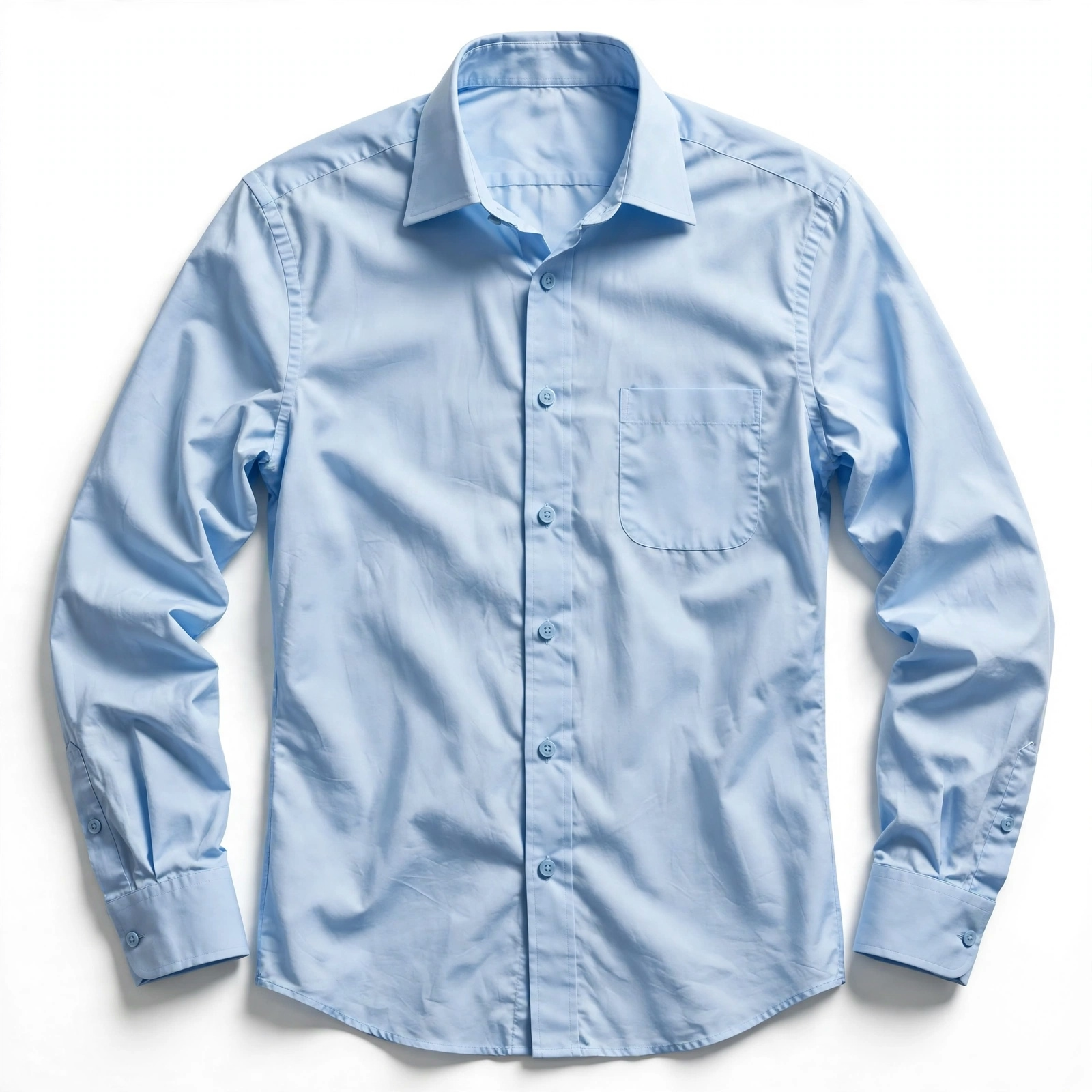
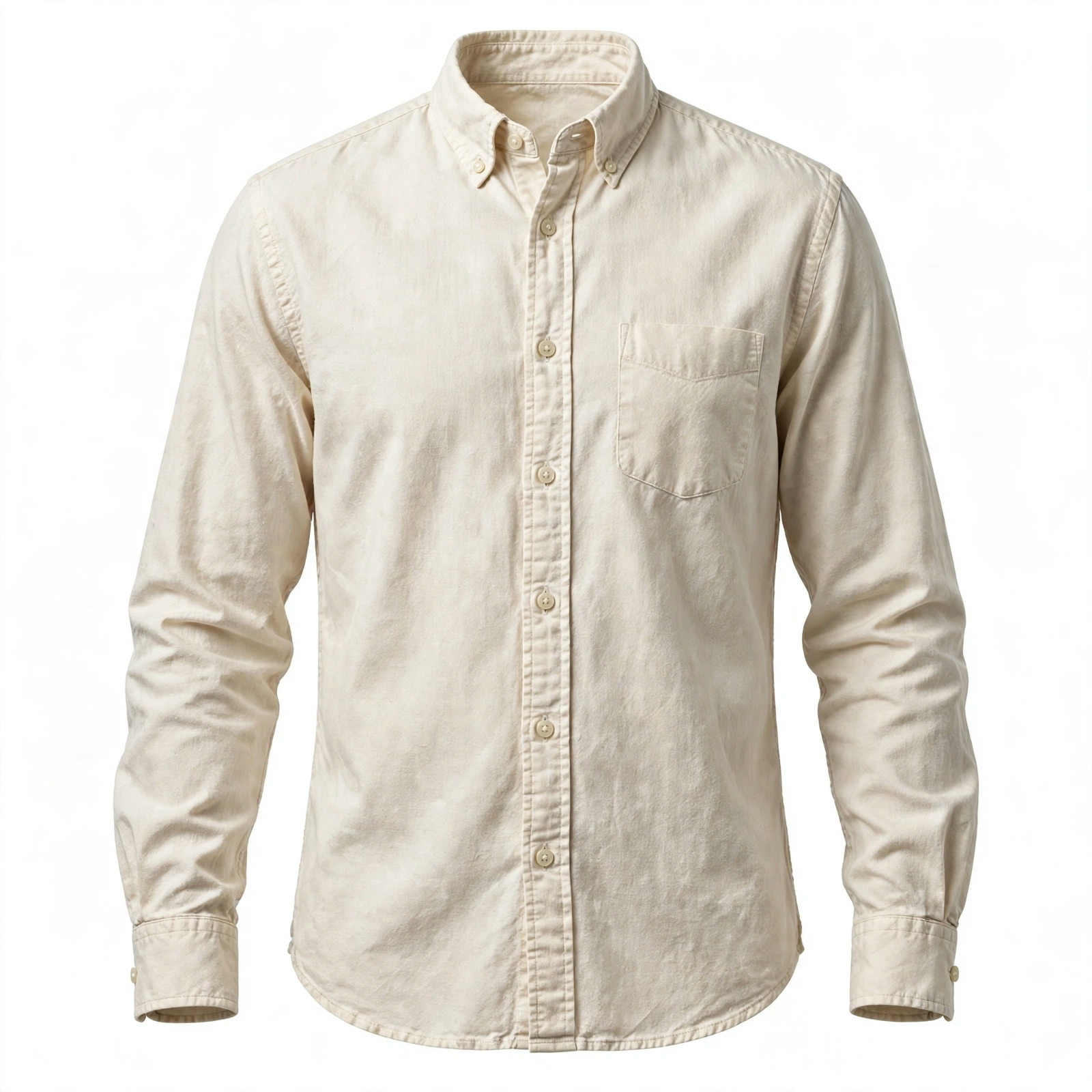
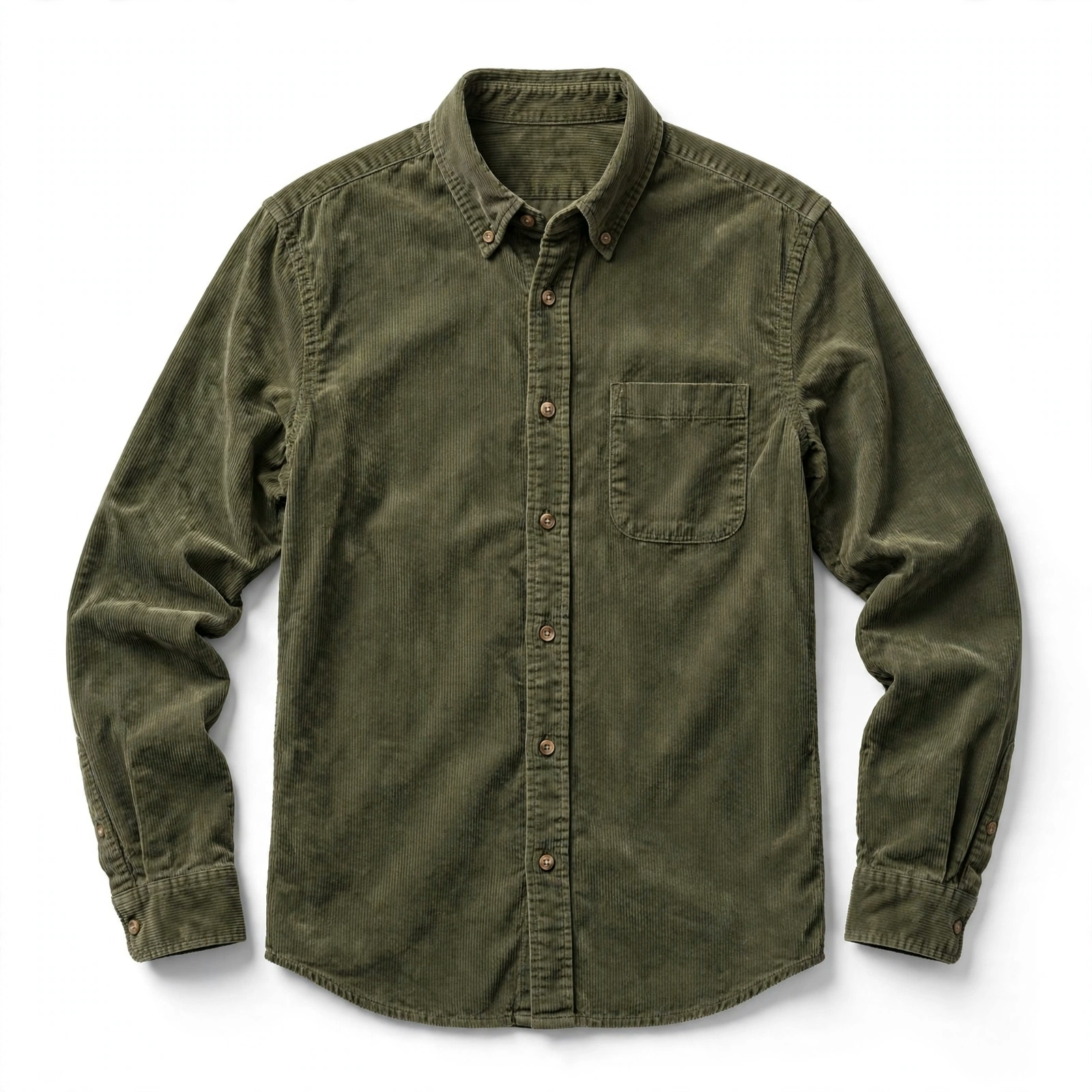
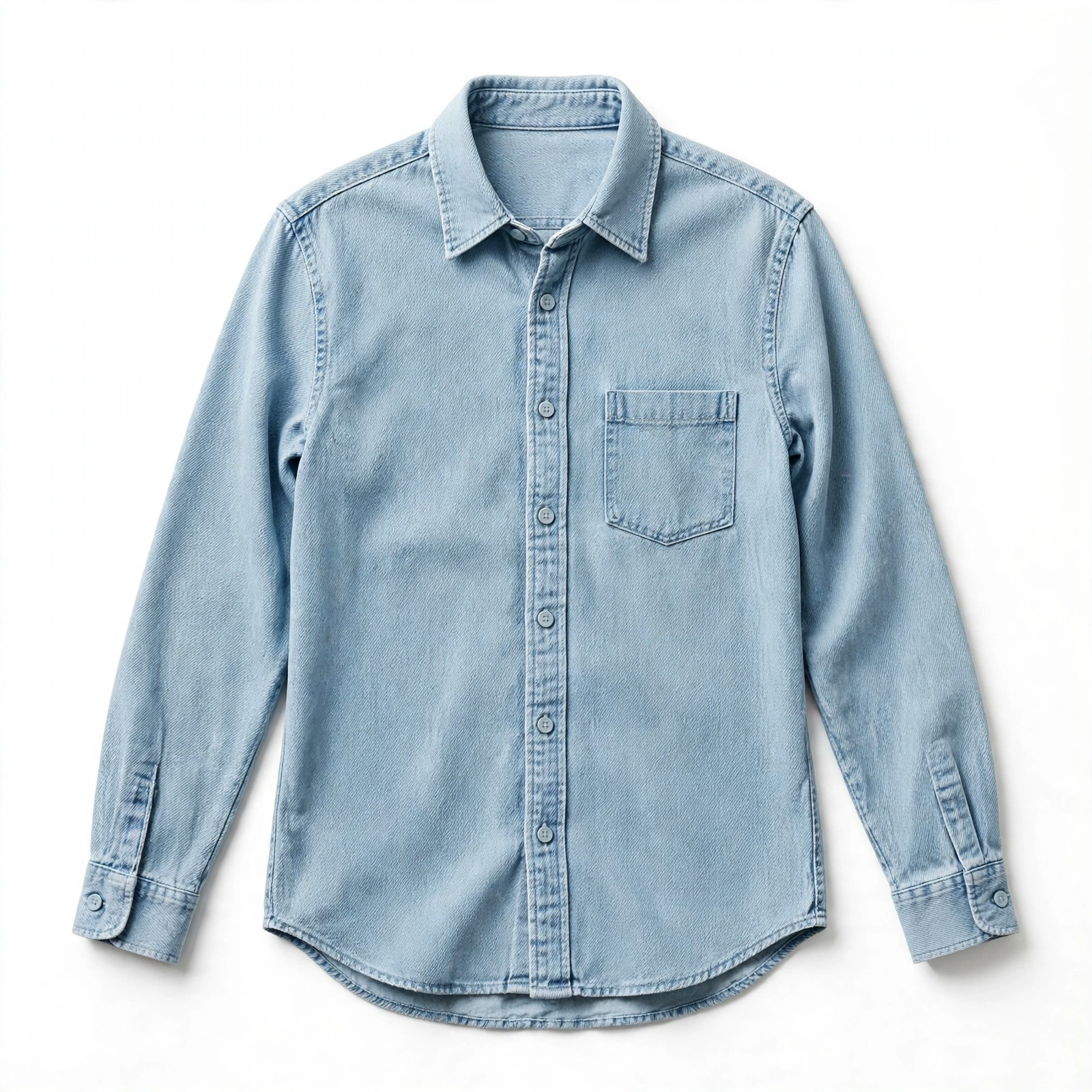
Shirt Manufacturer in Bangladesh Sewing for UK, USA and Italian Shirt Brands
A shirt is judged at the collar. It is the part closest to the face, the part a buyer turns over in his hands first, and the part that betrays cheap making fastest: a collar that bubbles, points that curl, a placket that twists after one wash.
Siatex Bangladesh manufactures shirts in Bangladesh with the construction details shirt buyers actually inspect: fused interlinings that stay smooth, pattern matching across plackets and pockets, and stitch density that keeps seams flat for the life of the garment.
The Anatomy of a Well Made Shirt
Every shirt style is built from the same quality decisions, repeated piece by piece:
- Collar: interlining fused at controlled temperature so it never bubbles or peels
- Collar points: trimmed and turned sharp, matched pair by pair
- Placket: folded, stitched and pattern matched to the shirt front
- Cuffs: fused like the collar, with buttons positioned to the millimetre
- Yoke: aligned so stripes and checks meet cleanly at the seams
- Buttons: sewn with shank and cross stitch, pull tested before packing
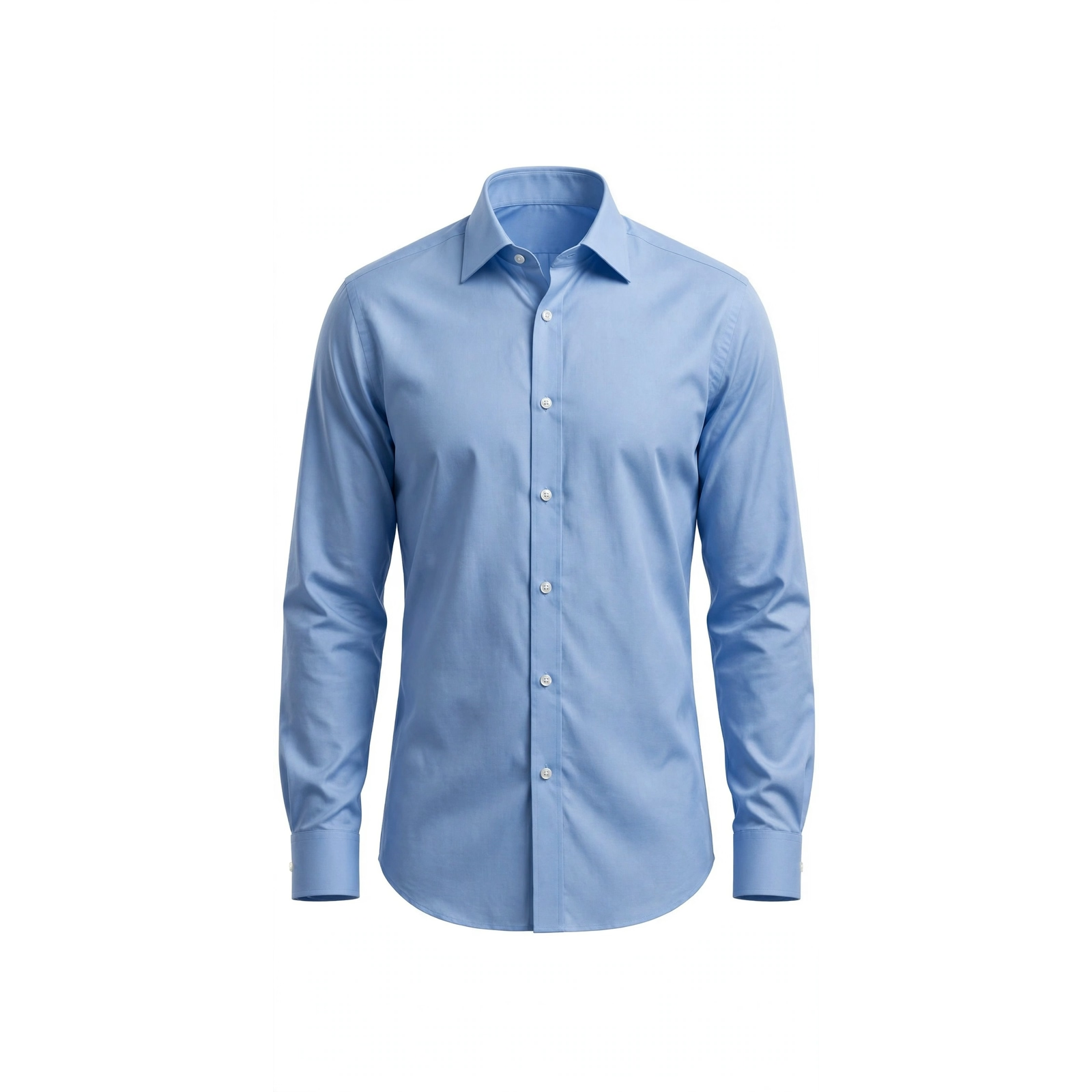
Our dress shirt manufacturer Bangladesh styles are the reference point: if a construction detail survives inspection on a white formal shirt, it survives anywhere.
Stitch Density and Seam Quality in Shirt Making
Shirts show their seams more than almost any garment, so stitch quality is set high and checked constantly:
- Fine stitch density on collars, cuffs and plackets for a flat, premium edge
- Single needle tailoring on formal styles for clean seam lines
- Flat felled seams on casual and work shirts for strength
- Buttonholes cut and stitched dense, sized exactly to the button
- Loose thread and needle damage checks at every finishing stage
Shirting Fabrics: Oxford, Poplin, Twill and Linen
- Oxford: the durable basket weave behind classic button down shirts
- Poplin: smooth and fine, the standard for formal dress shirts
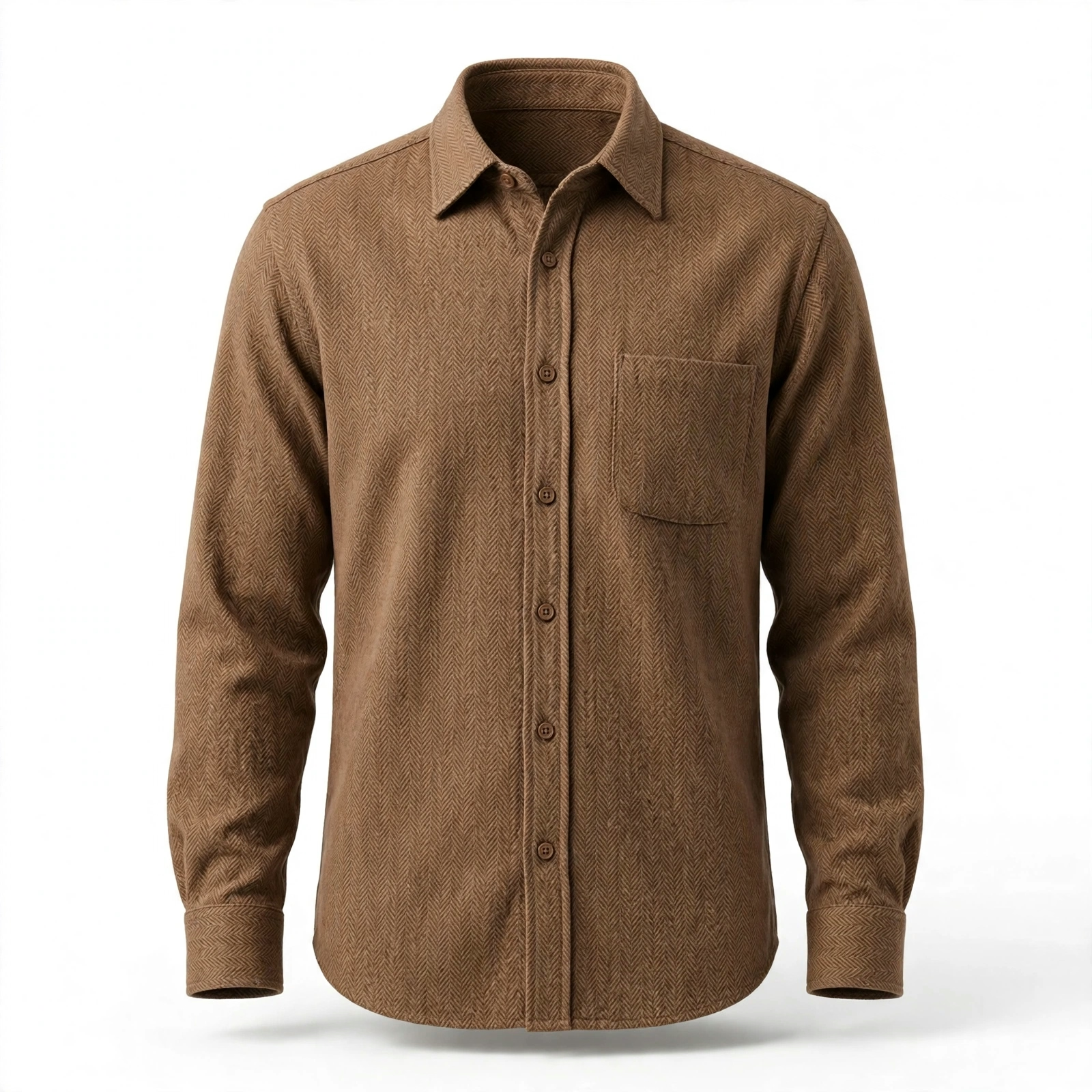
- Twill and herringbone: subtle texture with a soft hand feel
- Chambray and denim shirting: casual weight with workwear character
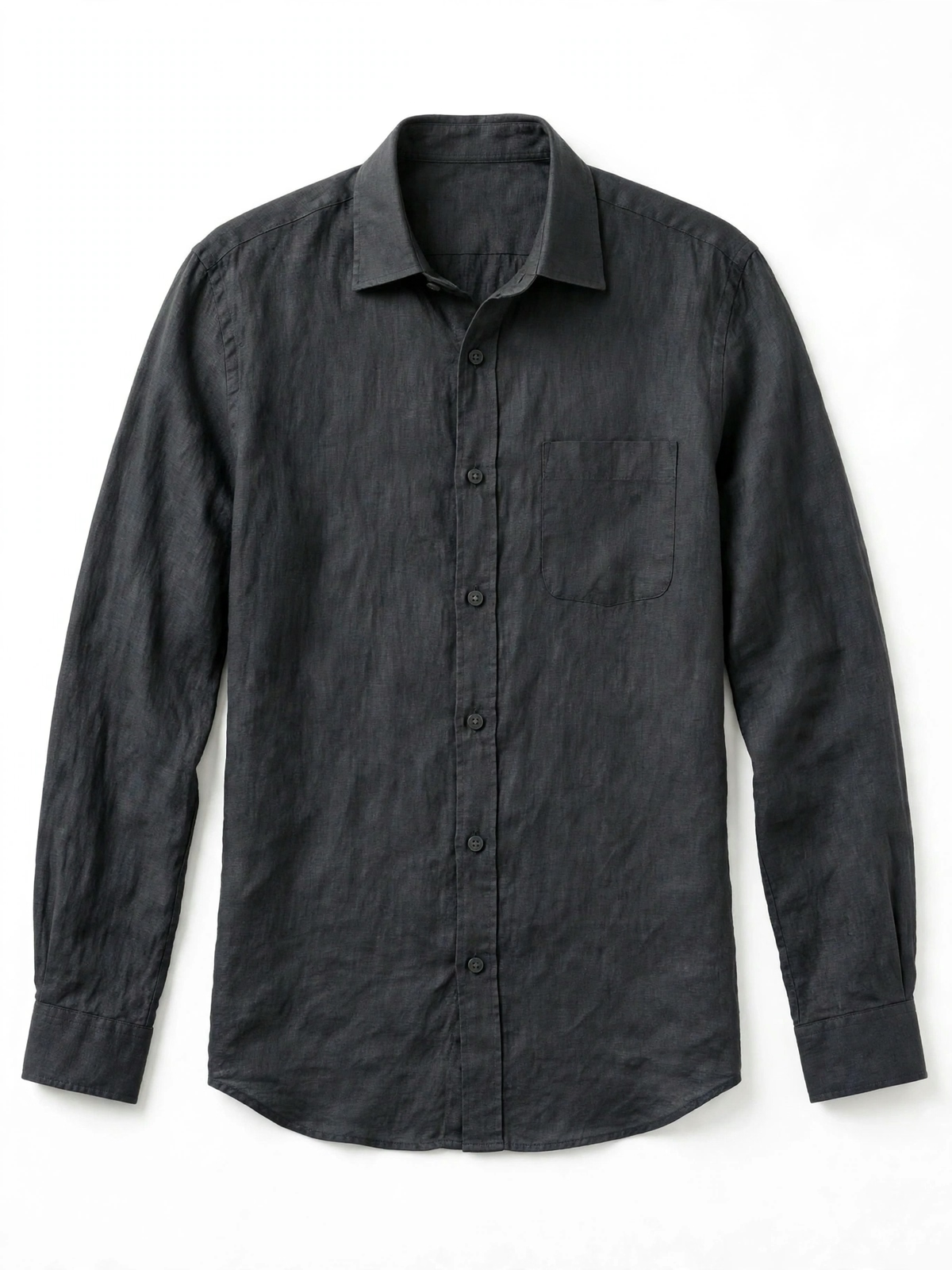
- Linen and linen blends: summer shirts with natural texture
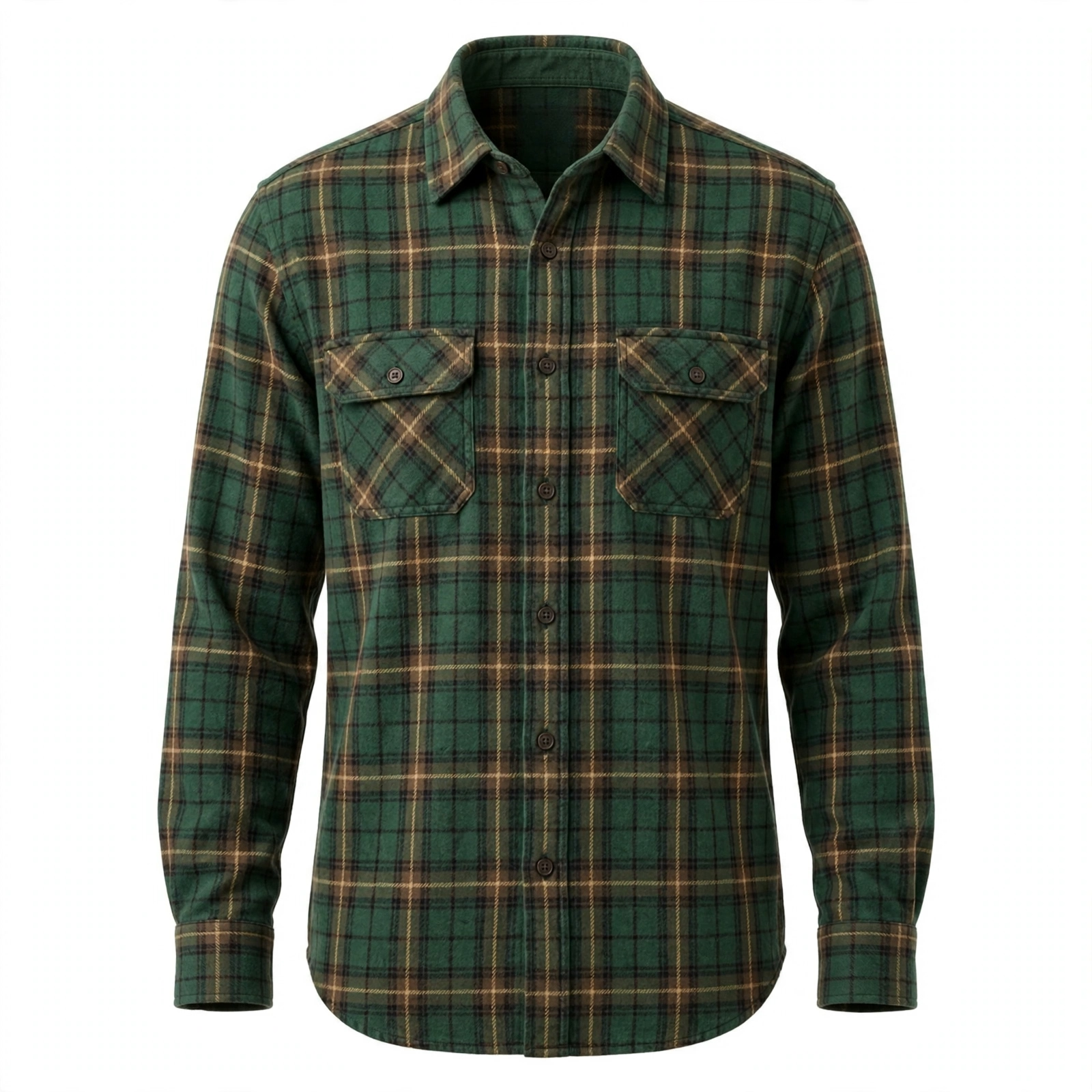
- Flannel: brushed checks and plains for autumn casual ranges
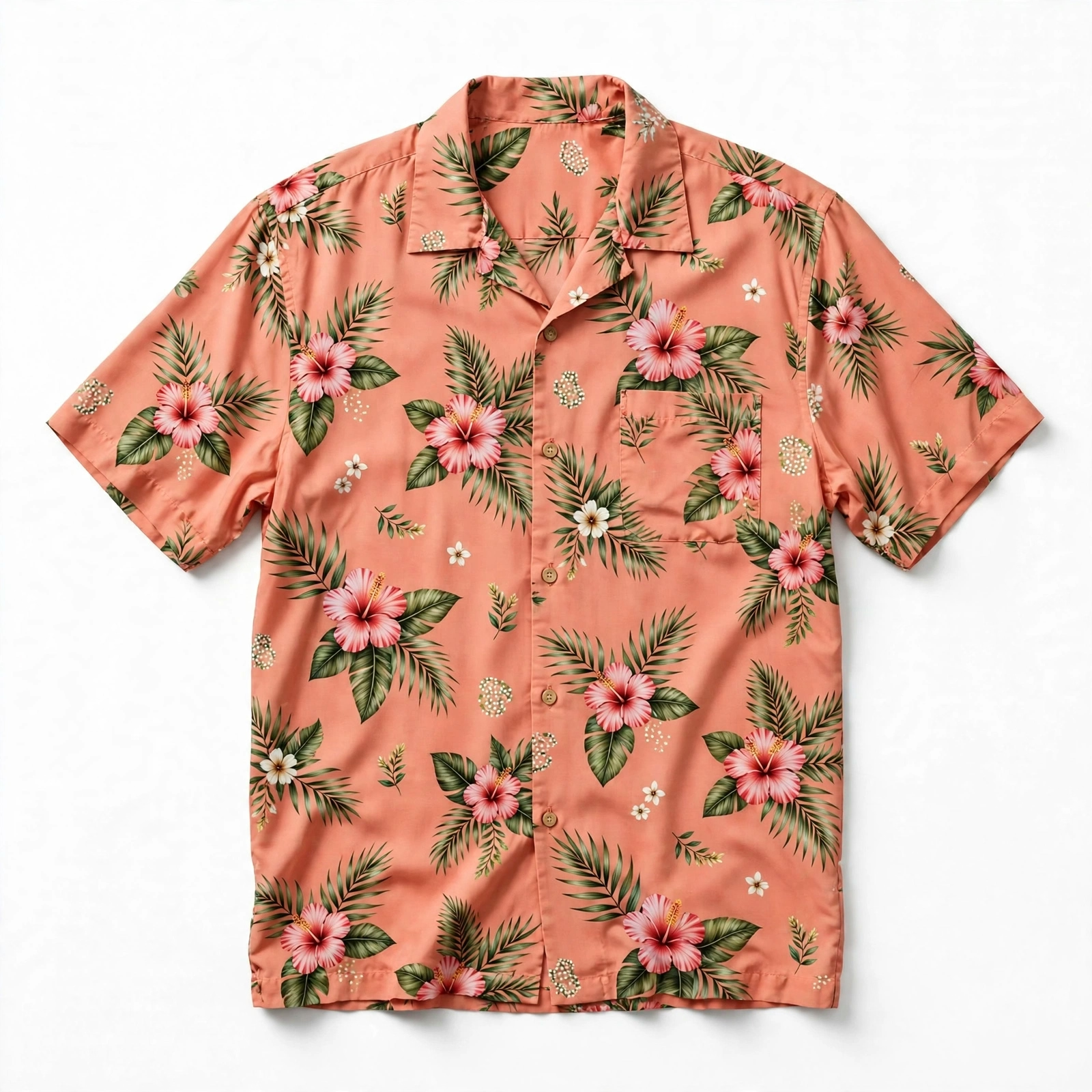
- Seersucker and madras: warm weather classics for the USA market
Our oxford shirt manufacturer Bangladesh and linen shirt manufacturer Bangladesh lines run from the same fabric library, so a buyer building a shirt range across formal and casual styles works with one sourcing standard.
Pattern Matching: Stripes and Checks That Line Up
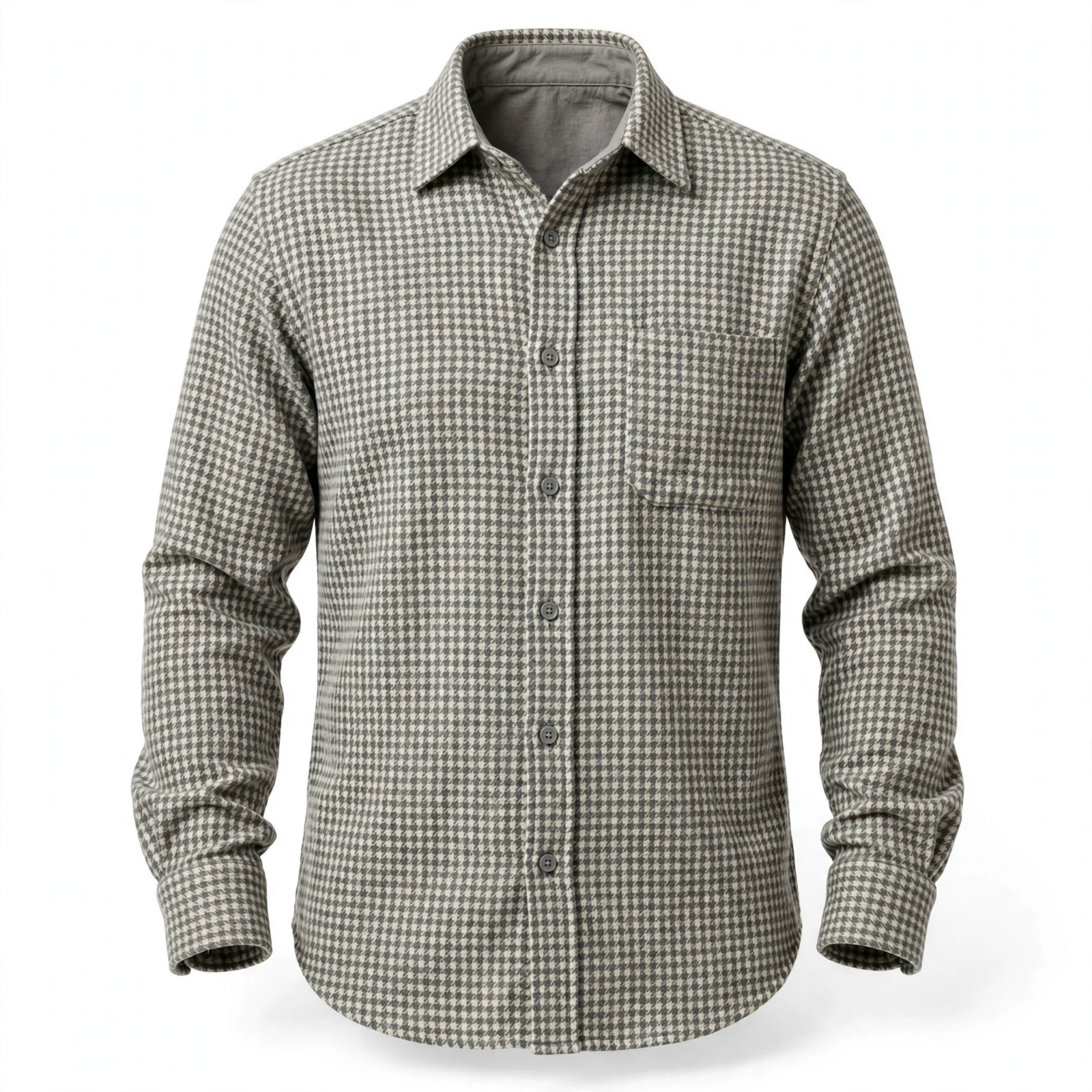
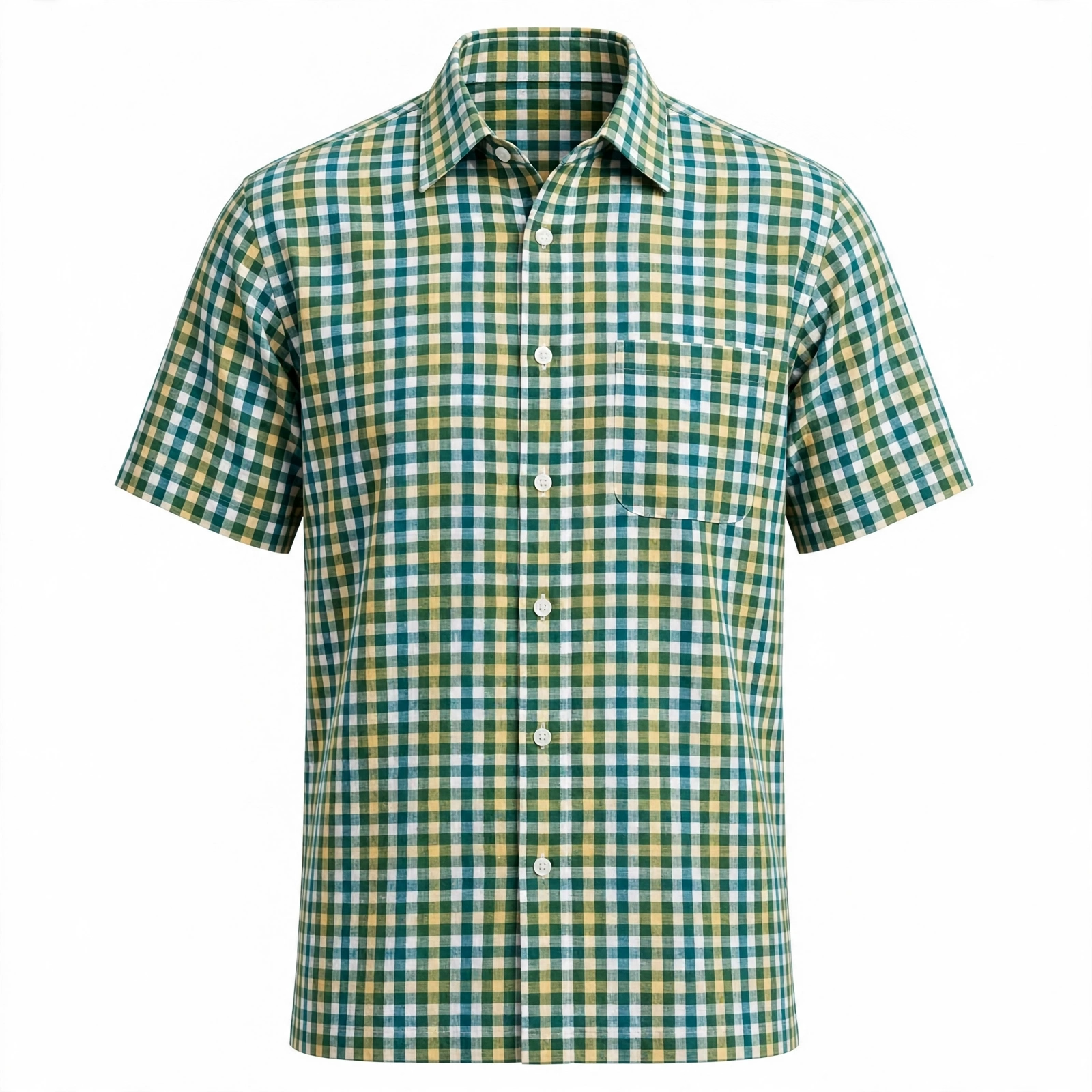
On a plain shirt, construction hides. On a striped or checked shirt, every shortcut shows. We match patterns where a shirt buyer looks for them. The discipline starts at the marker, where the lay is planned around the repeat of the cloth, and it continues at inspection, where a mismatched pocket or a wandering placket stripe is rejected before the shirt is folded, not after it reaches the buyer’s warehouse:
- Placket stripes centred and continuous down the front
- Pocket patterns matched to the shirt body beneath
- Yoke stripes aligned with sleeve stripes at the shoulder
- Collar pattern centred at the back neck
- Checks balanced left and right across the front opening
Matching costs cutting care, not magic: markers are planned for the pattern, and cutters work to the match points instead of the fastest lay.
Formal and Casual Shirts Are Built Differently
A dress shirt and a flannel shirt share a name and almost nothing else. Formal shirts are built for structure: fused collars and cuffs, finer fabrics, closer fit and shaped pressing. Casual shirts are built for softness: washed fabrics, softer or unfused collars, relaxed fit and garment washing for hand feel.
Buyers who run both get two construction standards under one roof, each applied properly, instead of one compromise standard applied to everything.
Collar and Cuff Styles in the Library
- Classic point, spread and cutaway collars for formal ranges
- Button down collars for the USA and university style market
- Band and mandarin collars for casual and hospitality styles
- Single, double and convertible cuffs, with button or cufflink options
- Short sleeve and long sleeve versions across every style
Shirt Exporter From Bangladesh to Formal and Casual Markets
Shirt Supplier for UK and Italian Dress Shirt Brands
UK and Italian buyers take the most construction critical work: formal shirts where collar quality and pattern matching decide the order. These programmes run on our finest stitch settings and most experienced finishing hands.
Shirt Manufacturer for USA Casual and Button Down Programmes
USA buyers anchor on oxford button downs, flannels and casual checks in volume, with pattern matching held to the same standard as formal work. Consistency across reorders is the deciding factor, and it is recorded style by style.
Shirt Exporter Serving German and Canadian Buyers
German buyers specify construction in writing and audit against it, which suits our written standards. Canadian buyers combine formal and casual ranges in one programme, packed and labelled per retailer.
Private Label Shirts With Your Name at the Neck
Shirt branding sits where the wearer sees it daily: the neck label, the cuff embroidery, the branded buttons. The private label clothing manufacturer route sets your artwork once and carries it across formal and casual styles, so the range reads as one brand on the rail.
Uniform and Hospitality Shirts Run on the Same Benches
Alongside fashion shirting, the same lines produce uniform shirts for schools, security firms, airlines and hospitality groups. The construction priorities shift: easy care fabrics, reinforced stress points and colour that survives industrial washing.
- Poly cotton shirtings chosen for wash endurance and crease recovery
- Epaulettes, badge tabs and pen pockets built to specification
- Logo embroidery positioned and backed for repeated laundering
- Size runs held in programme records for staff replenishment orders
Uniform buyers value the reorder file most: a shirt issued to a new staff member two years later matches the original issue in fabric, colour and fit.
The Shirt Sample Round: Fit, Fusing and Wash Tests
A shirt sample is tested harder than most garments because its faults appear in use, not on the table. Each new style passes three gates before bulk:
- Fit gate: measurements and wearing ease checked against the size chart
- Fusing gate: collar and cuff samples washed repeatedly for bubbling or peel
- Wash gate: the full garment washed for shrinkage, twist and colourfastness
Only when all three gates pass does cutting begin. Buyers receive the test results with the pre-production sample, so approval is based on evidence rather than appearance alone.
Washing, Pressing and How a Shirt Should Arrive
A shirt’s first impression is made at unpacking. Formal shirts are pressed with collar and cuff shape set, folded on boards with clips and tissue where the buyer specifies, and bagged flat so the front arrives crease free.
- Shaped pressing for collar, cuff and placket definition
- Board folding with collar stays and butterfly clips on formal styles
- Casual shirts soft washed and folded for a relaxed presentation
- Carton packing that protects collar shape in transit
Retailers selling online photograph the shirt as it arrives; our packing standard is set so that photograph needs no steaming first.
Neck Sizes, Body Fits and Grading for Shirt Programmes
Formal shirts are sold by the neck, casual shirts by the letter, and a serious shirt programme often carries both systems at once. Grading is handled per system so neither is a conversion of the other:
- Neck sizes graded with collar, chest and sleeve moving together
- Slim, regular and classic body fits held as separate blocks
- Sleeve lengths offered in regular and long on formal programmes
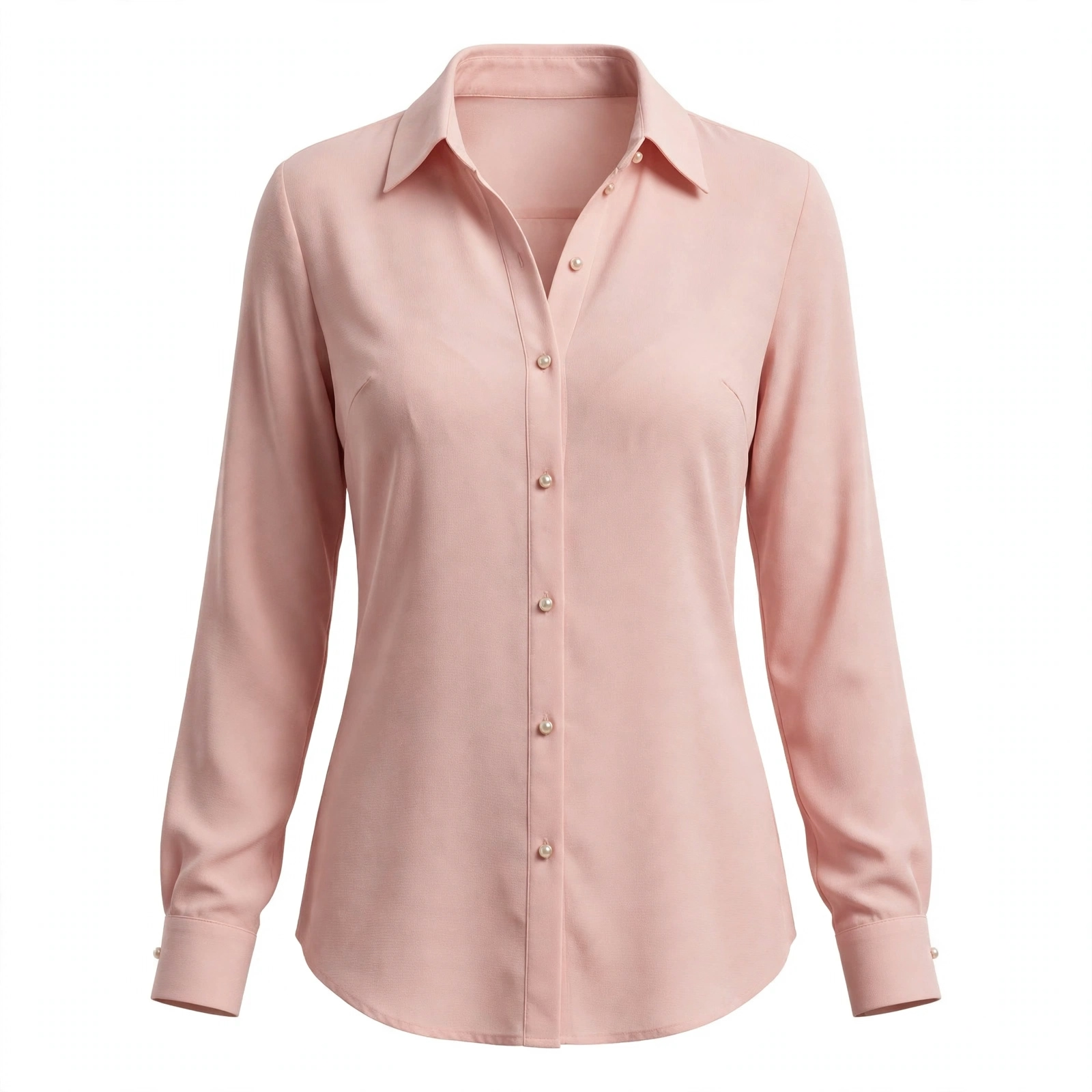
- Ladies shirt blocks graded separately, never scaled from men’s
Fit consistency is what brings shirt buyers back. The block and grading records for every approved style are kept on file, so a reorder three seasons later is cut from the same fit the customers already know.
Organic and Lower Impact Shirting Options
Shirt buyers increasingly ask for certified fibres, and shirting answers well: organic cotton poplins and oxfords run on the same lines with the same construction standards.
- Organic cotton shirtings with transaction certificates
- Recycled blend options for casual shirt programmes
- Natural shell and corozo look buttons as plastic alternatives
- Plastic free packing options for retail presentation
The construction does not change with the fibre story: a certified shirt still has to pass the fusing, wash and matching gates, or the certificate is decorating a poor garment.
Buttons and Buttonholes: Small Parts, Constant Judgement
A shirt carries more buttons than any other garment, and every one is handled daily. We treat button work as a named quality stage:
- Buttons matched to fabric weight: shell, resin, corozo look or metal
- Shank sewing with thread wrapped for strength on front plackets
- Buttonholes sized to the button with dense, clean stitching
- Spare button sewn into the side seam or care label as specified
- Pull testing sampled on every production batch
Shirt Manufacturing Specification at a Glance
| Styles | Dress, oxford, casual, linen, flannel and uniform shirts |
| Fabrics | Poplin, oxford, twill, chambray, linen, flannel, seersucker |
| Construction | Fused collars and cuffs, single needle options, flat felled seams |
| Pattern work | Matching at placket, pocket, yoke and collar on stripes and checks |
| Size ranges | Neck sizes and S to XXL blocks, graded from buyer charts |
| Export markets | UK, Italy, USA, Germany, Canada, France, Australia |
Questions Shirt Buyers Ask This Bangladesh Manufacturer
How do you stop collars bubbling after washing?
The interlining and the shell fabric are matched for shrinkage, and fusing temperature and pressure are controlled and recorded. A fused sample is wash tested before bulk, because bubbling is a fusing fault, not a washing fault.
Can an Italian brand get single needle tailoring on formal shirts?
Yes. Single needle construction is available on formal styles, with the finer stitch density and seam finish that construction is known for. It is quoted openly, since it takes more machine time.
Do USA buyers get pattern matching on plaid flannel shirts?
Yes. Checks are matched at the placket, pocket and yoke as standard on our casual lines, planned at the marker stage so the matching survives cutting at production speed.
Can a Canadian programme mix formal and casual shirts in one order?
Yes. The two construction standards run side by side, each style made to its own specification, and the shipment is documented as one programme with styles separated and labelled.
What do Australian buyers order most from your shirt lines?
Linen and linen blend shirts for summer, oxford button downs for year round programmes, and uniform shirts for hospitality groups. The common thread is wash performance: Australian buyers test wash shrinkage early, and our sample wash gate answers it before bulk. Sleeve length and body length are also graded to Australian size expectations, which run longer than European blocks.
How does a UK shirt brand start a first order?
Send your styles, fabrics and size charts through our contact page. We reply with costings, a sample calendar and the construction specification we propose for each style.
Read More About Shirt Manufacturing in Bangladesh
Why does collar interlining decide a shirt’s working life?
The collar is fused, flexed, washed and ironed more than any other part of the shirt. When the interlining is mismatched or badly fused, it bubbles or peels and the shirt looks finished long before the fabric wears out. Shirt specialists therefore treat fusing as a recorded process with wash tested samples, not as a pressing detail.
What separates a dress shirt from a casual shirt at the factory?
Three things: fabric weight and fineness, construction hardness at collar and cuff, and fit intent. A factory that builds both well keeps two standards and applies each honestly. Bangladesh’s shirt trade grew inside its wider garment industry, organised through the Bangladesh Garment Manufacturers and Exporters Association, and shirts remain one of its most technically respected categories.
That respect was earned over decades of formal shirt programmes for European and North American brands, where a single construction fault can end a supplier relationship. It is why shirt buyers visiting Bangladesh still ask to see the fusing records and the wash test results before they ask about price, and why the factories that keep those records keep their buyers.