
Custom Mens Casual Denim Shirt Manufacturer in Bangladesh for Menswear Brands Worldwide
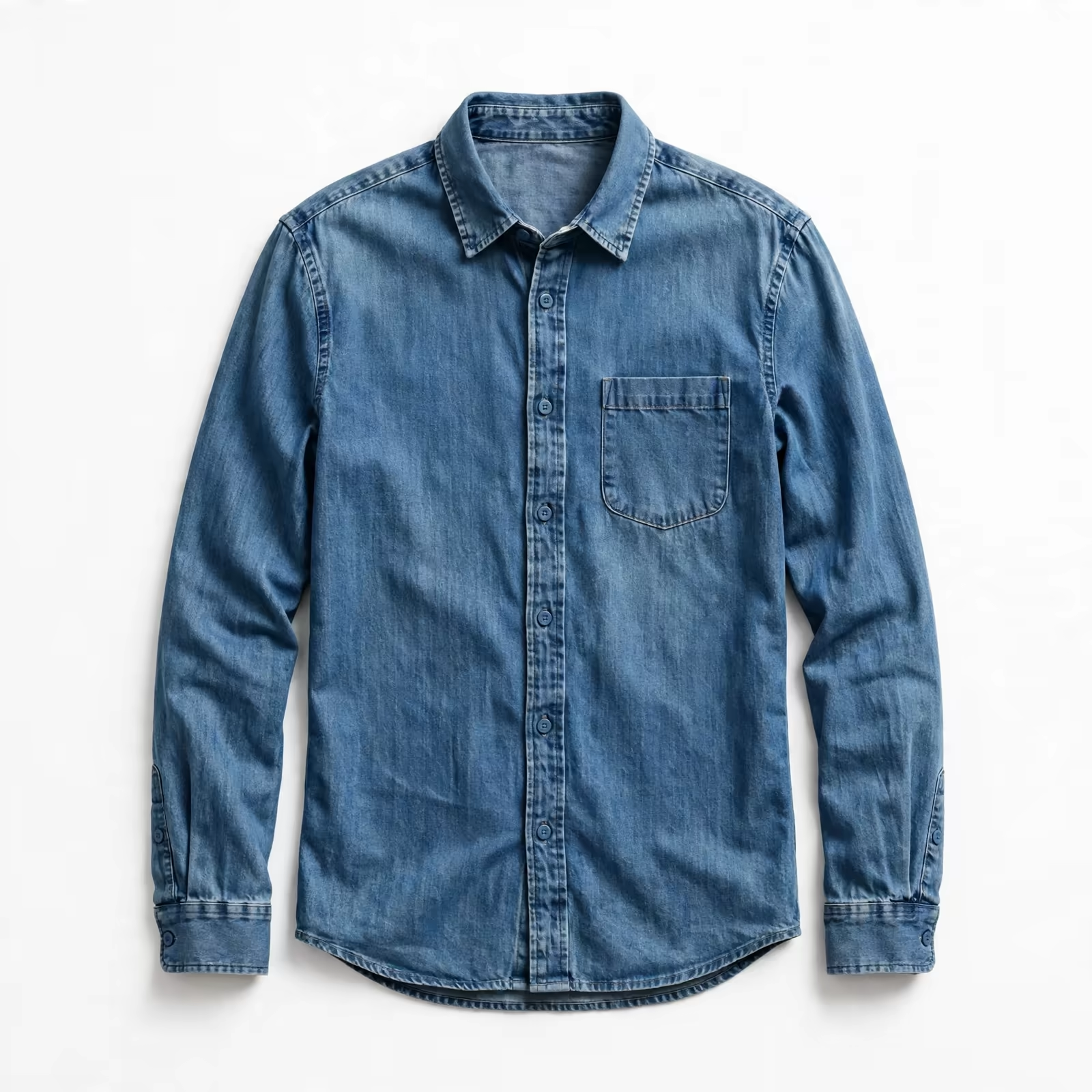
Some shirts are bought for a season; a denim shirt is bought for years. It is the one garment that crosses every rail in a menswear shop, from the workwear wall to the weekend edit, and it only earns that place when the wash, the weight and the fit are all right at once. This stone-washed shirt is built to that standard.
The colour sits in the useful middle: not raw and stiff, not faded out, but a lived-in mid blue with the wash variation running through it the way real denim ages. It pairs with everything a customer already owns, which is exactly why it sells in every season.
The Stone-Washed Shirt, Part by Part
The front carries a full button placket with tonal buttons, a point collar with a clean stand, and one chest pocket with a shaped flap-less opening. The back runs a shoulder yoke over a small centre pleat, the traditional construction that gives a working shoulder its room.
The hem is curved, cut to sit properly untucked and to stay smooth tucked. Sleeves are long with button cuffs and a gauntlet button, so they roll to the elbow and stay rolled instead of sliding back down by lunch.
A Collar That Works Open or Closed
The collar is interlined to hold its points without going stiff. Buttoned to the top it reads tidy; open over a T-shirt it lies flat against the chest instead of winging out. That one detail decides whether a denim shirt looks deliberate or borrowed.
Denim Weight: The Buyer’s Most Important Call
Denim is sold by weight, and the weight decides the shirt’s whole character. A light cloth around six ounces drapes like a summer shirt and layers under a jacket; a cloth nearer eight ounces holds a crease, shrugs off work and reads as a light overshirt on its own.
Both run on this floor from the buyer’s own fabric call. The sample is made in the chosen weight and wash together, because a wash lands differently on every cloth, and the buyer should approve the real pairing, not a guess from a swatch card.
Denim Shirt Supplier in Bangladesh for USA Menswear Labels
American labels run denim shirts as a permanent line, restocked rather than redesigned, often in two or three washes off one pattern. This floor holds the approved pattern and wash standards on the label’s file, so the restock that arrives in March matches the one that sold through in October.
Size curves for the US market run strong through L and XL with a tall fit in the bigger sizes. The grading here follows the buyer’s chart on both points, and the approved measurements are what the checkers measure production against, dozen by dozen.
The Wash Is a Specification, Not a Surprise
Stone washing is controlled like any other specification: the target is the approved sample’s exact tone, checked panel by panel under daylight lamps. Fronts, backs, sleeves and pockets are matched as sets before sewing, so no shirt leaves with one sleeve lighter than the other.
Wash variation inside a garment is the character buyers want; variation between garments in a dozen is a fault. The checkers separate the two, holding every shirt in the dozen against the standard and pulling any that drift past it.
Sizing and Fit for a Shirt Worn Two Ways
A casual denim shirt is worn open over a tee as often as it is worn buttoned, so the fit is graded with a working ease through the chest rather than a slim dress-shirt cut. The buyer’s chart sets that ease; the sample proves it on a body before the run.
Sizes run S to 3XL. Sleeve length is checked as carefully as body length on this garment, because a denim shirt with a short sleeve looks wrong at the cuff every single day it is worn, and no wash can hide it.
How Each Dozen Is Checked Before Packing
Checkers button every shirt up and lay it against the pattern measurements: chest, length, shoulder, sleeve, collar. Buttons are pulled for security, plackets are checked for pucker, pockets are matched left against the placket line, and the wash tone is compared across the whole dozen.
Loose threads are trimmed and each shirt is pressed and folded to the buyer’s instruction. A shirt that fails any point is set aside for correction, and the dozen is only sealed when all twelve pass together.
One Pattern, a Whole Wash Library
The sample story is the stone wash, but the pattern carries a library: a darker rinse for a smarter rail, a bleached wash for summer, an ecru or a grey cast for a fashion edit. Each wash is sampled and approved on the cloth before it joins the range, so a brand can build a denim wall off one trusted fit.
Buttons, stitch colour and pocket shape move with the wash when the buyer wants them to. A dark rinse with tonal stitching and a horn-effect button is a different shirt from the stone wash with contrast stitching, even off the same pattern.
Denim Shirt Wholesaler in Bangladesh for European Retail Buyers
European buyers often take the denim shirt as part of a wider casual set, and this floor runs those orders together: the same buyer can source our green yellow check flannel shirt for the autumn rail and the red plaid flannel shirt alongside it, all cut to one size standard.
For the lighter end of the shirt rail, our white button shirt runs on the same floor, and the sister denim in a paler wash, the light blue denim shirt, gives the buyer two blues that sit together without clashing.
More Shirts From This Floor
Shirts are a standing line here, cut and sewn by the same teams week after week, which is why the collars sit the same on the first order and the fiftieth. Buyers comparing sourcing markets can also read the trade figures published by the International Trade Centre, which tracks Bangladesh among the world’s leading apparel exporters.
That steadiness shows in the small things a buyer can check on any visit: collars that match left to right, plackets that run straight, pockets set at the same height on every shirt. A floor that makes shirts every week holds those tolerances without effort, and a floor that makes them rarely cannot fake them for one order.
Wearing Life: Why Good Denim Outlasts Trends
Denim improves with wear in a way almost no other cloth does. The twill softens at the collar and cuffs, the wash lightens where the body moves, and the shirt becomes personal to its owner. A buyer choosing denim is choosing the garment least likely to come back as a quality complaint.
That life is built in at the cloth and the seams: a twill woven to take abrasion, seams sewn to survive years of washing, and buttons anchored to be re-sewn rather than lost. The checks at the table are what make the promise real.
The Sample Shirt: What to Judge
Wash the sample three times before judging it. Denim settles after the third wash: the hand softens, the wash tone evens, and the true fit shows itself. A sample judged straight off the machine is judged too early, and this floor will always tell a buyer so.
Then check the collar open and closed, the cuffs rolled, and the shirt over a T-shirt and under a jacket. If it works all four ways in the sample, it will work all four ways on the rail.
The Overshirt Cut: One Weight Up
Take the same pattern one cloth weight up and the shirt becomes an overshirt: a layer worn over knitwear through the cold months. Buyers who run both weights get two rails from one approved fit, and customers who own the shirt already trust the overshirt’s sizing on sight.
The overshirt version keeps the same collar, pocket and hem, with a slightly easier chest written into its grading. Both versions are sampled separately, because a heavier cloth changes how the collar sits and how the sleeve hangs, and those changes are approved, never assumed.
Restocks: Keeping the Wash Honest Year After Year
Denim’s commercial strength is the restock, and the restock’s risk is wash drift: a new dye lot landing half a tone away from the shirts already on the rail. This floor keeps the approved wash standard as a physical garment, not a photograph, and every new run is matched against it under the same lamps.
When a cloth lot cannot be washed to the standard, the buyer hears about it before cutting, with the closest achievable tone sampled for approval. A denim line only stays a line when the tenth order matches the first, and that matching is treated here as the product itself.
Private Label Finishing for Shirt Programmes
The shirt leaves here as the buyer’s own product: their woven label inside the back neck, their buttons where the spec calls for them, and their folding and packing instruction followed at the table. A small embroidered mark at the chest or cuff can be added to the buyer’s artwork when a brand wants a quiet signature on the garment.
Finishing is checked with the same care as the sewing, because it is what the end customer sees first on the rail. Labels sit straight, folds are even, and every shirt in the dozen presents the same way when the carton is opened in the buyer’s warehouse.
Ordering Denim Shirts Alongside Other Basics
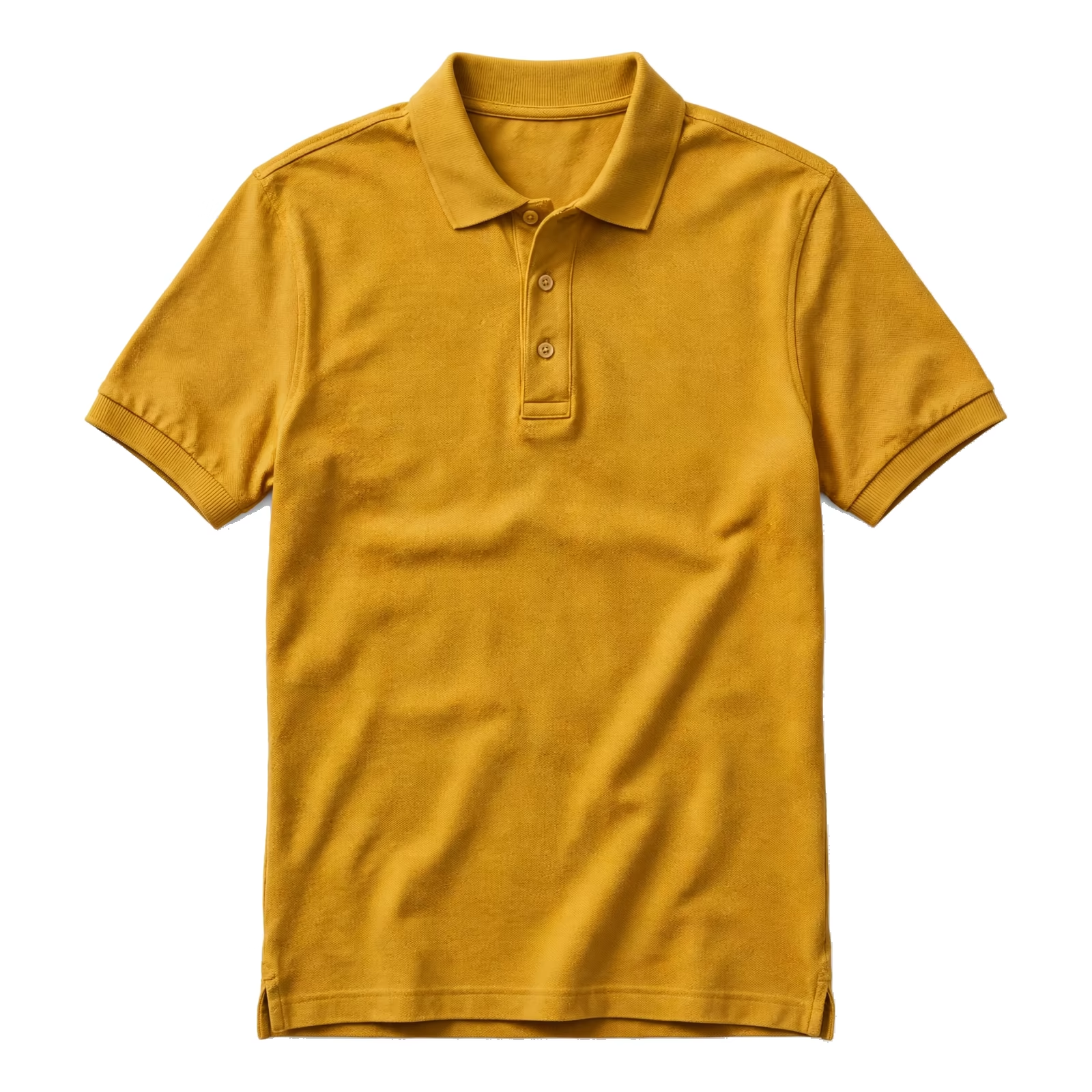
Most buyers do not order a denim shirt alone; it anchors a basics programme beside tees, polos and flannels. Running those basics on one floor keeps the size standard, the label and the packing identical across the whole programme, so the buyer’s warehouse handles one consistent product family instead of five suppliers’ habits.
The denim shirt’s file sits with those orders, and a combined shipment can be arranged when the buyer wants the programme to land together. One standard, one paperwork set, one arrival: that is how a basics range stays easy to manage season after season.
Questions Shirt Buyers Ask Before Ordering
Can we run two washes in one order?
Yes. The stone wash and a second wash can run inside one order off the same pattern and size chart, each with its own approved standard. Packing keeps the washes separate and labelled, so the goods arrive ready to split across rails or stores.
Do you make a women’s denim shirt on the same cloth?
Yes. The same denim and washes are cut on a women’s pattern with its own grading, so a brand can run a matching pair across both rails. Both cuts can share one order and one fabric standard.
What buttons can we choose?
Tonal resin, metal shank, horn-effect and pearl are all run here, sampled on the actual shirt so the buyer sees the button against the wash. The choice is written into the order file and held for every restock.
Quoting a Denim Shirt Order for Your Range
Send the wash, the weight and the size curve you have in mind, and the quote comes back worked out on those inputs. A photograph of a denim shirt you already sell is reference enough to start from if you want the same fit and tone.
Samples run first, in your wash and your buttons, washed before they are sent so you judge the settled garment. Once the sample is approved, production follows the same specification, and the file is kept so every restock lands on the same standard for as long as the shirt stays in your range.
If your range already carries a denim shirt that sells, send its measurements with the enquiry and this pattern will be graded to meet it, so your customers find the fit they already trust under your label, season after season, without drift.