
Dress Manufacturer in Bangladesh Making Ladies Dresses for USA, UK and Spanish Fashion Brands
A dress is the least forgiving garment in a fashion range. It must fit at the bust, waist and hip at once, move gracefully, and carry its fabric’s drape exactly as the designer imagined. There is no second piece to adjust, no layering to hide behind.
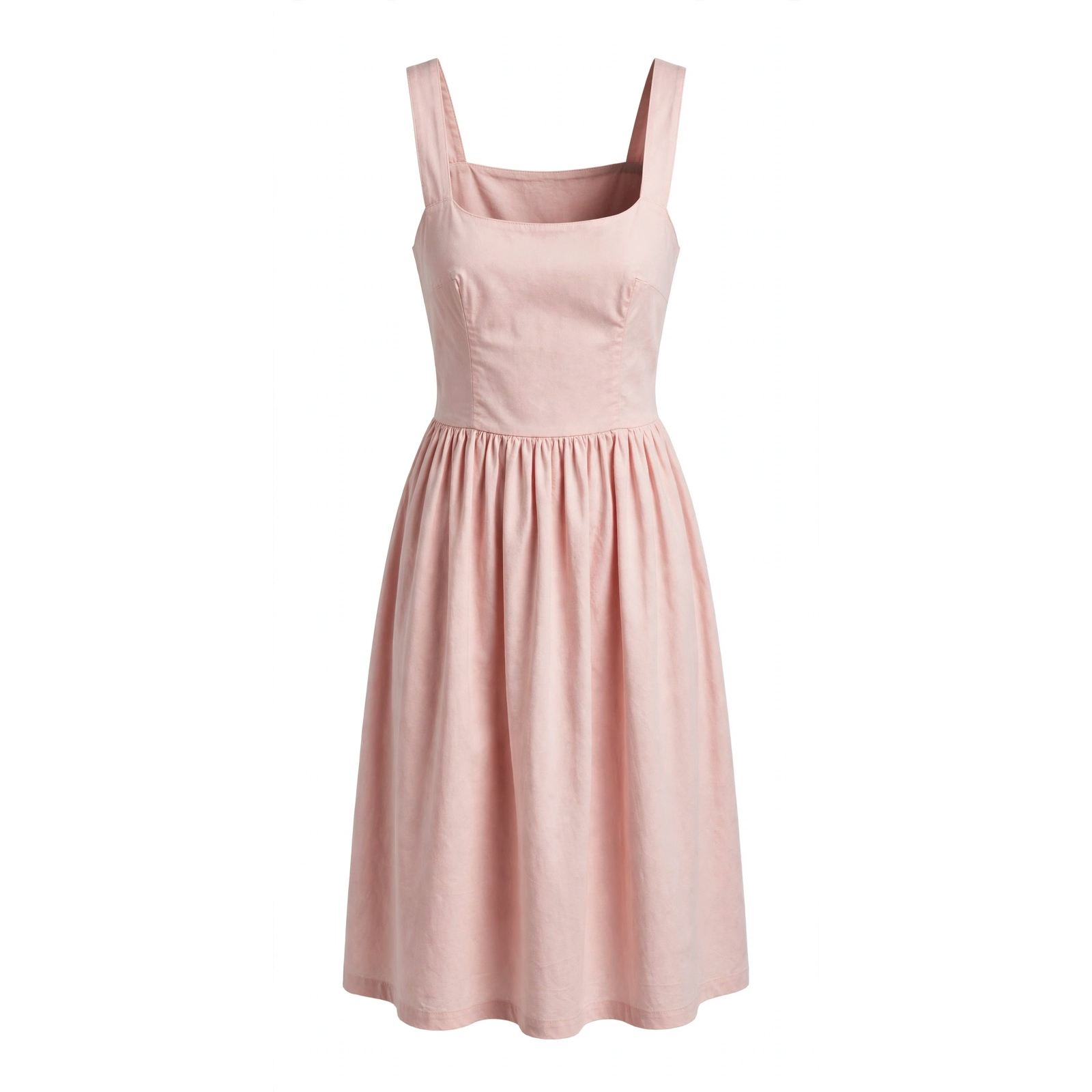
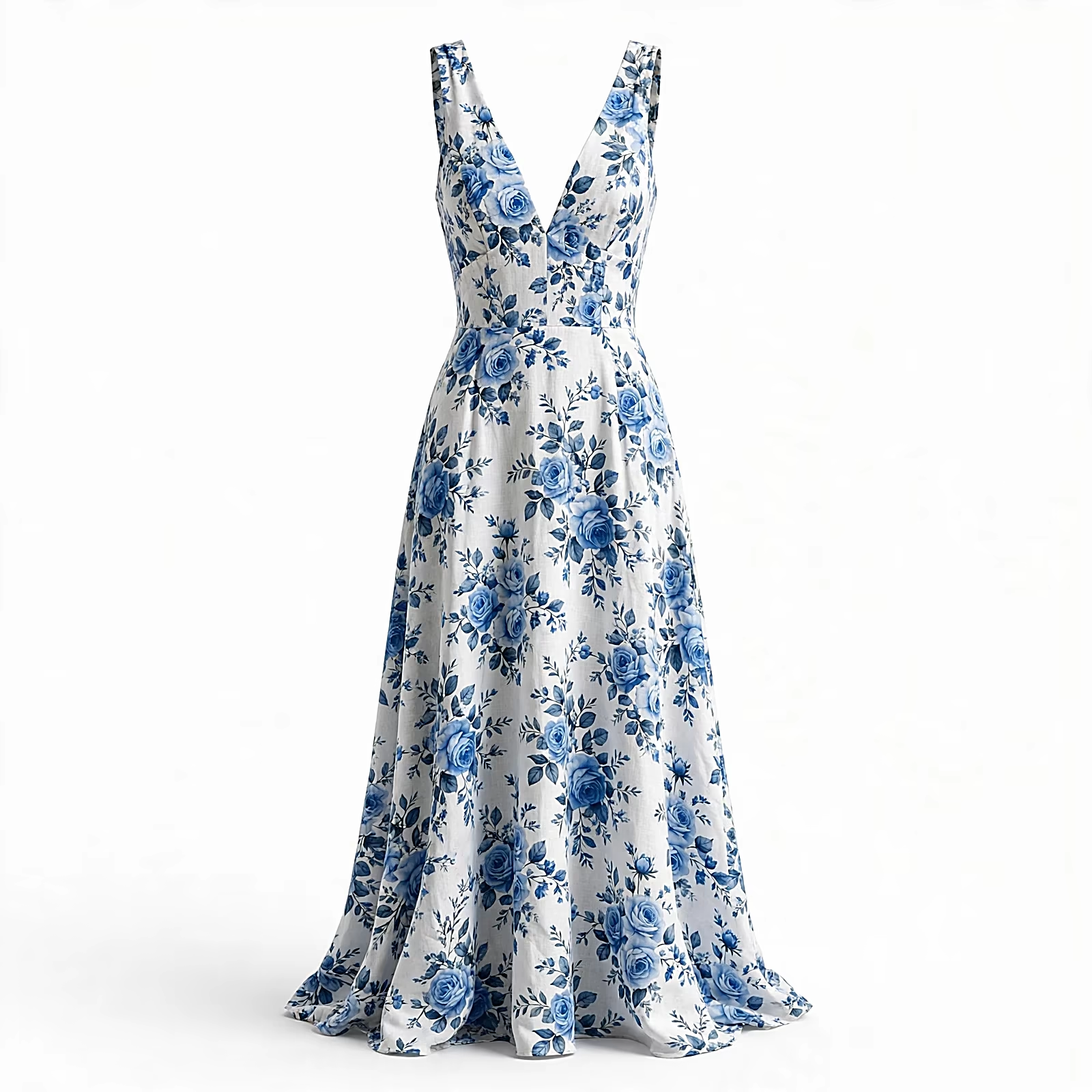
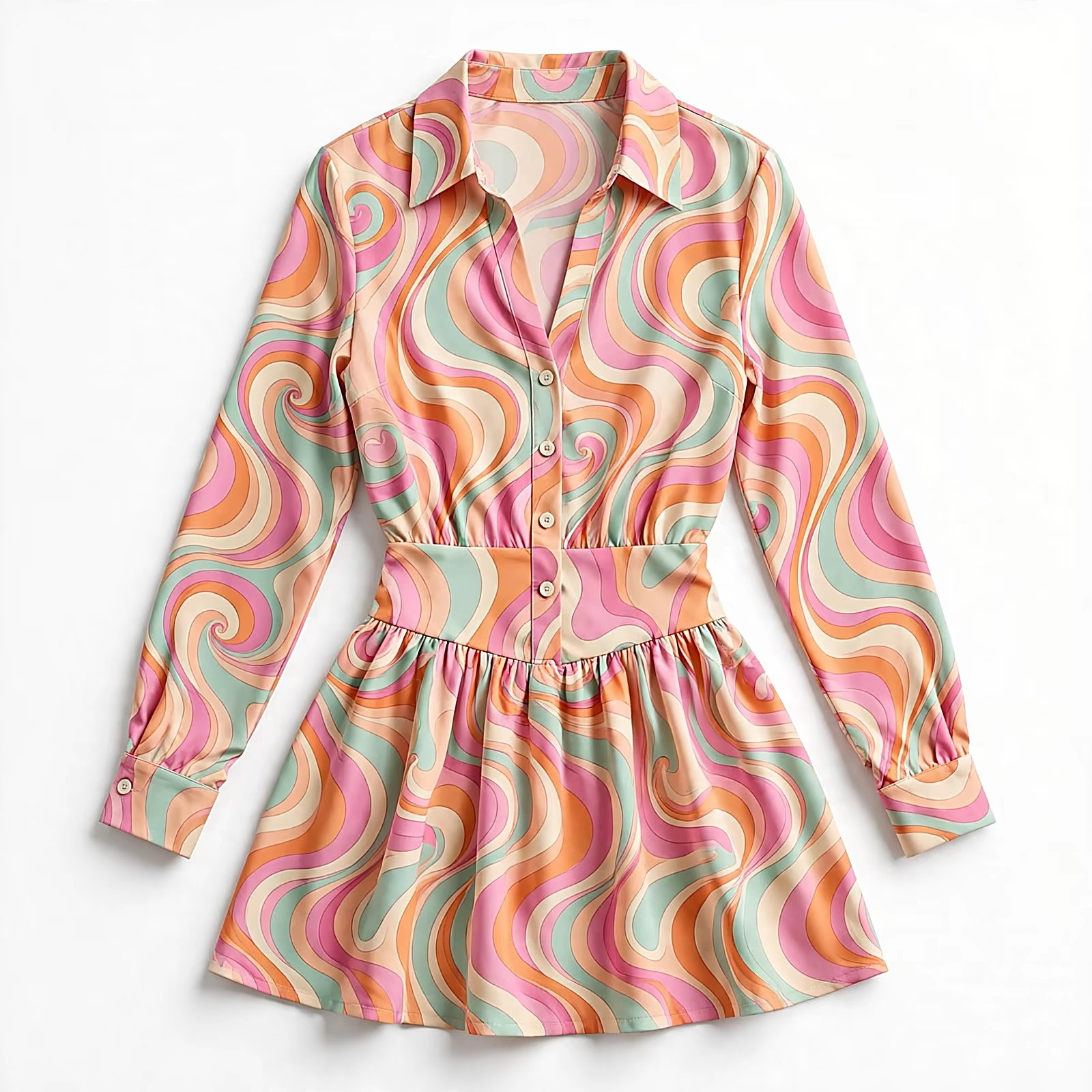
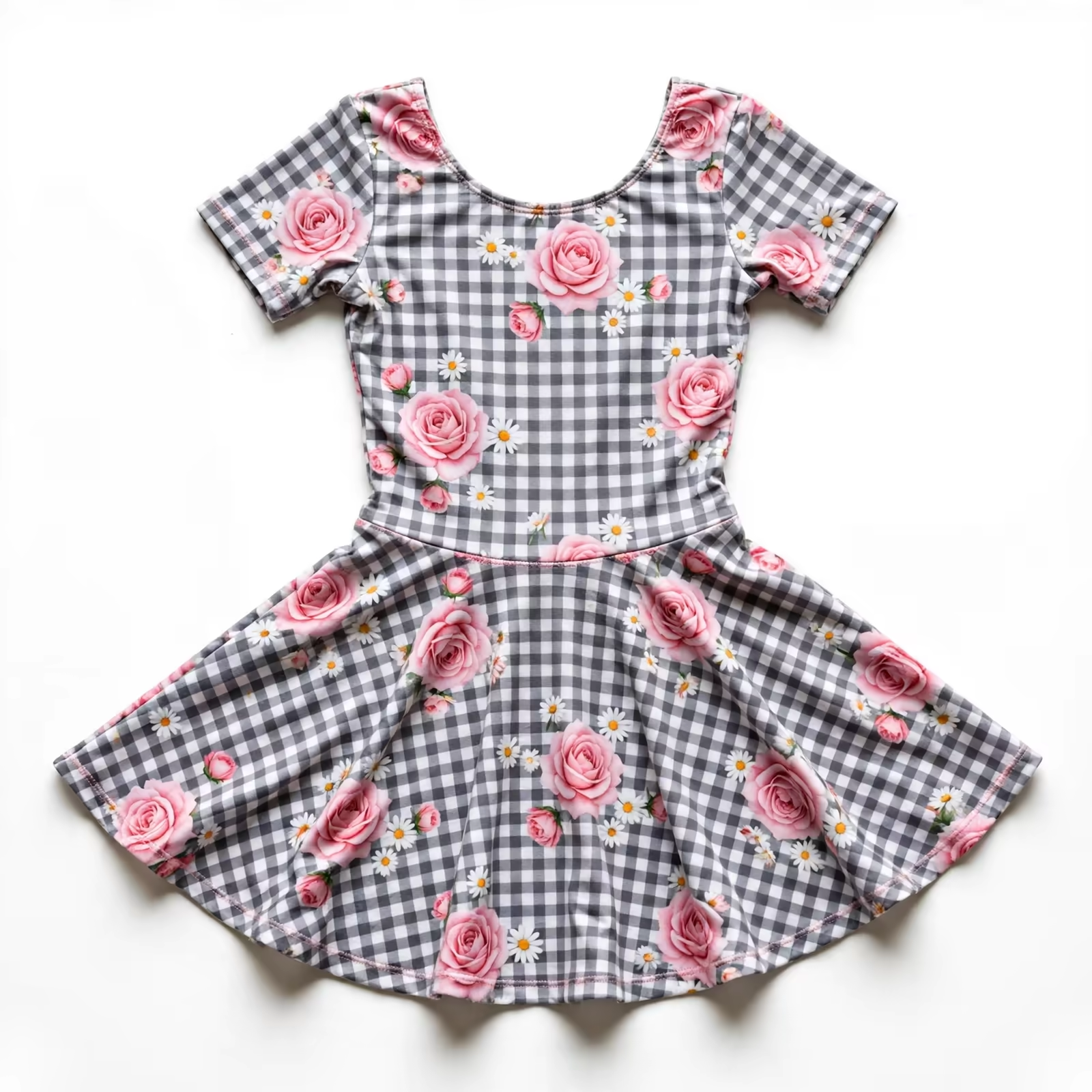
Siatex Bangladesh manufactures dresses in Bangladesh as a dressmaking discipline: ladies day dresses, sundresses, maxi and midi dresses, shirt dresses and girls dresses, fitted on the body and finished to occasion standard.
Bodice Fit: Where Dressmaking Is Won or Lost
The bodice decides whether a dress sells. Our fitting process treats it as the garment’s foundation:
- Bust, waist and hip graded together, never scaled from one measurement
- Darts, princess seams and shaping placed to the design’s intent
- Fit approved on a body or dress form at every size extreme
- Stretch and ease allowances set per fabric, not per habit
- Straps, necklines and armholes finished so they stay where they sit
Our ladies dress manufacturer Bangladesh programme keeps approved fit blocks per buyer, so a new style starts from a body that already fits their customer.
Drape and Fabric Behaviour
A dress design is a fabric decision. The same pattern in crepe, cotton lawn and satin is three different dresses:
- Crepe and viscose: fluid day and occasion dresses with movement
- Cotton lawn, poplin and voile: structured sundresses and shirt dresses
- Satin and sateen: evening and occasion programmes
- Jersey and interlock: comfortable body and casual dresses
- Chiffon and georgette: layered and float styles with lined bodices
- Denim and twill: utility and shirt dress programmes
Fabrics are draped and worn at sampling, not only measured, because drape is behaviour and behaviour is only visible in motion.
Zips, Linings and the Finishing of a Dress
- Invisible zips fitted so the seam disappears into the design
- Zip quality cycle tested; a failed zip ends a dress’s life outright
- Linings cut and attached so they never pull the shell out of shape
- Hems finished by fabric: rolled, blind stitched or faced
- Waist seams and joins matched at print and stripe lines
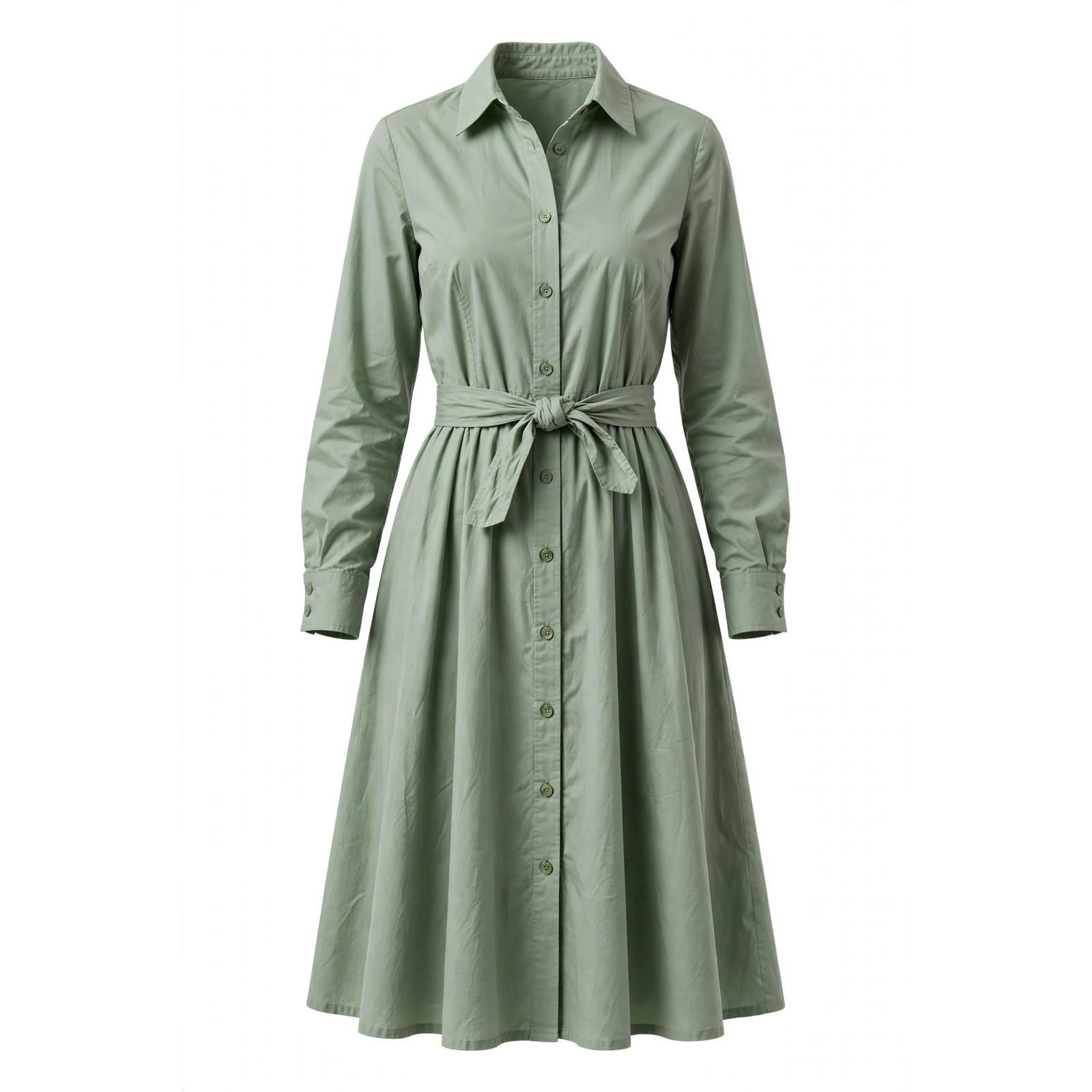
- Spare buttons and covered button quality on shirt dresses
Our shirt dress manufacturer Bangladesh styles show the tailored end of the range, where dressmaking meets shirtmaking standards.
Day Dresses, Sundresses and Summer Programmes
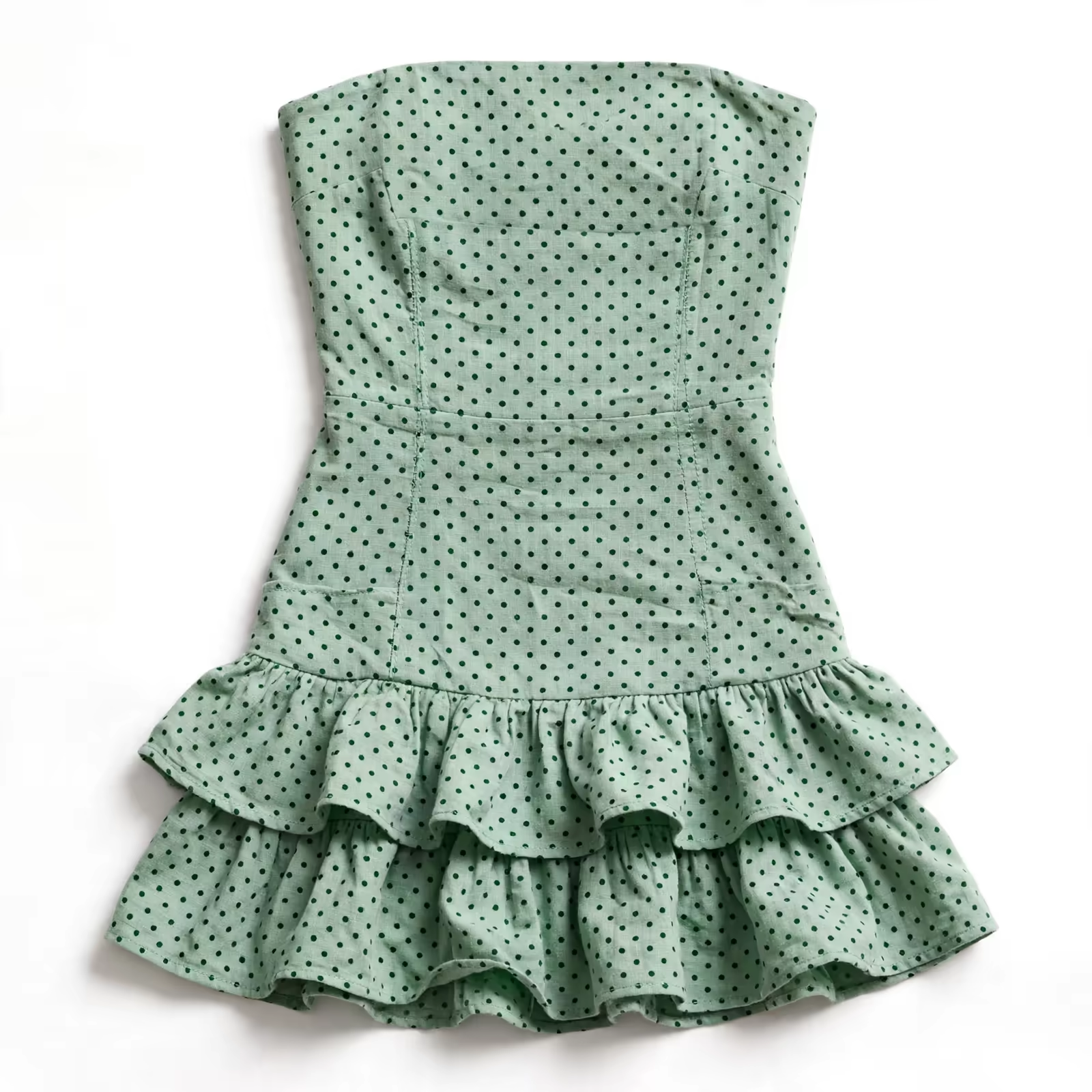
Summer dresses are the volume heart of the category: sundresses, smock and tiered styles, wrap dresses and holiday programmes in breathable cottons and viscose.
- Tiered, smocked and shirred constructions for summer ranges
- Adjustable straps and elastic backs for fit forgiveness in heat
- Prints engineered across tiers and seams
- Matching girls styles for mother and daughter ranges
Our sundress manufacturer Bangladesh lines run through the European and American summer calendar, with prints approved as finished garments.
Maxi, Midi and Occasion Dresses
Longer lengths change the engineering: fabric consumption rises, drape carries further, and the hem’s behaviour matters more. Occasion dresses add linings, boning free structure and finish standards closer to tailoring:
- Maxi and midi dresses in fluid and structured fabrics
- Occasion and party dresses with lined bodices
- Bridesmaid programmes in colour matched sets across styles
- Evening styles with satin, chiffon and lace applications
Girls Dresses: Occasion and Everyday
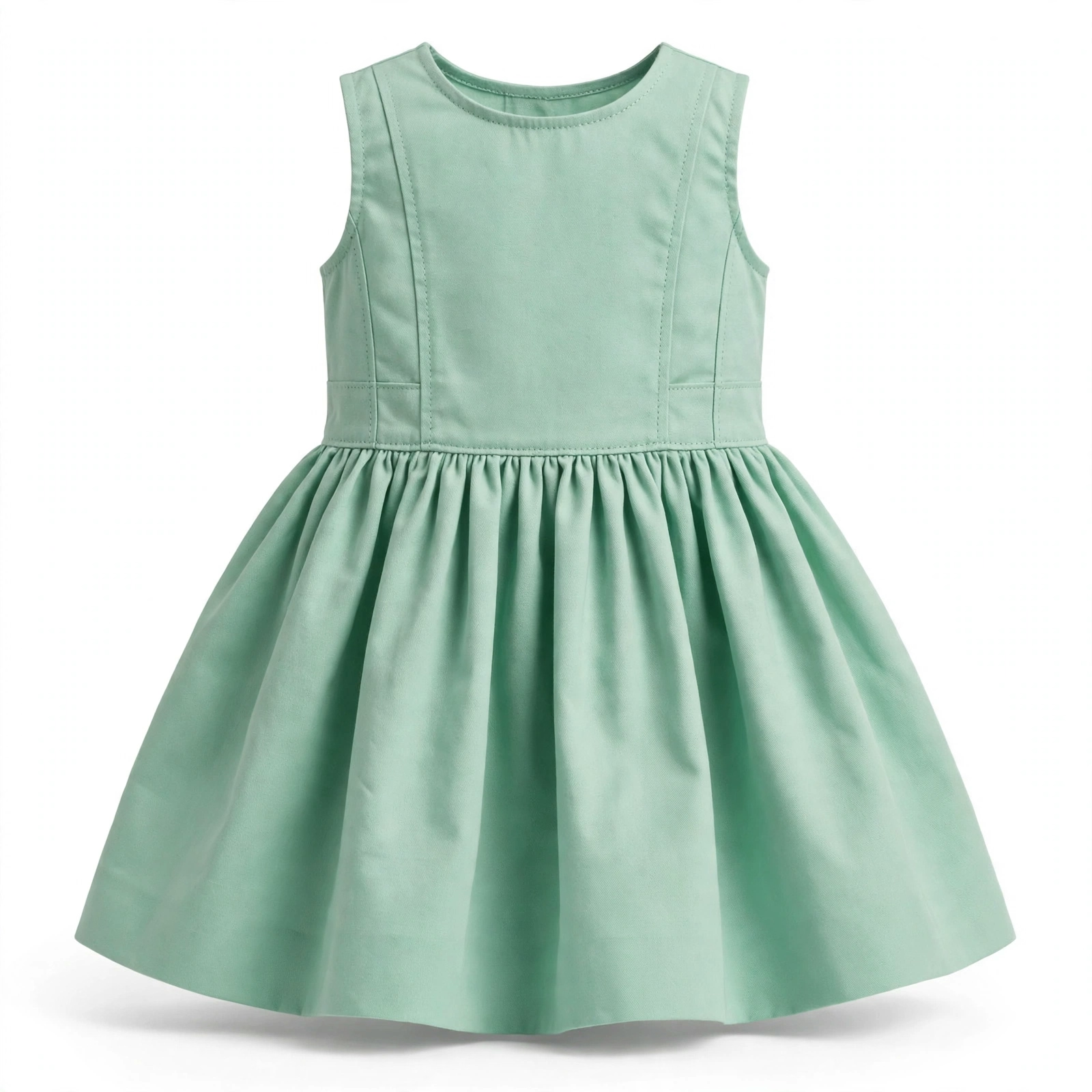
Girls dresses combine occasion prettiness with playground reality: seams that survive the party and the wash after it, comfortable bodices without restrictive structure, and age appropriate styling approved carefully with the buyer.
Comfort details are checked as carefully as appearance: no scratchy seam against the back, no tight armhole, no trim that irritates. A girls dress that a child pulls at all afternoon has failed however pretty it photographs, and our fit sessions include wear time for exactly that reason.
- Party and occasion dresses with soft linings against the skin
- Everyday cotton dresses for school and summer programmes
- Matching ladies and girls designs for family ranges
- Safety rules on cords, trims and small parts applied without exception
Dress Exporter From Bangladesh to Fashion Markets
Dress Supplier for USA Fashion and Boutique Buyers
USA buyers take the widest dress spread: boutique occasion lines, high volume summer dresses and private label programmes for retail chains. Fit blocks are held per buyer because American and European bodies grade differently.
Dress Manufacturer for UK and Spanish High Street Programmes
UK and Spanish buyers run fast seasonal dress programmes where print, price and delivery date compete together. Strike-offs and fit samples move on a calendar agreed at order, not chased afterwards.
Dress Exporter Serving German and Australian Brands
German buyers specify construction and fabric composition precisely; Australian buyers run summer dresses through the opposite season, which keeps our dress lines in year round production and the fit blocks warm.
Prints, Colour Stories and Range Building
Dresses sell as stories: one print across three silhouettes, one silhouette across five colours. Print scale is set per style, because a motif that flatters a maxi overwhelms a mini. Colour stories are approved as garment sets so the rail reads as one idea.
Wrap Dresses and Fit Forgiving Designs
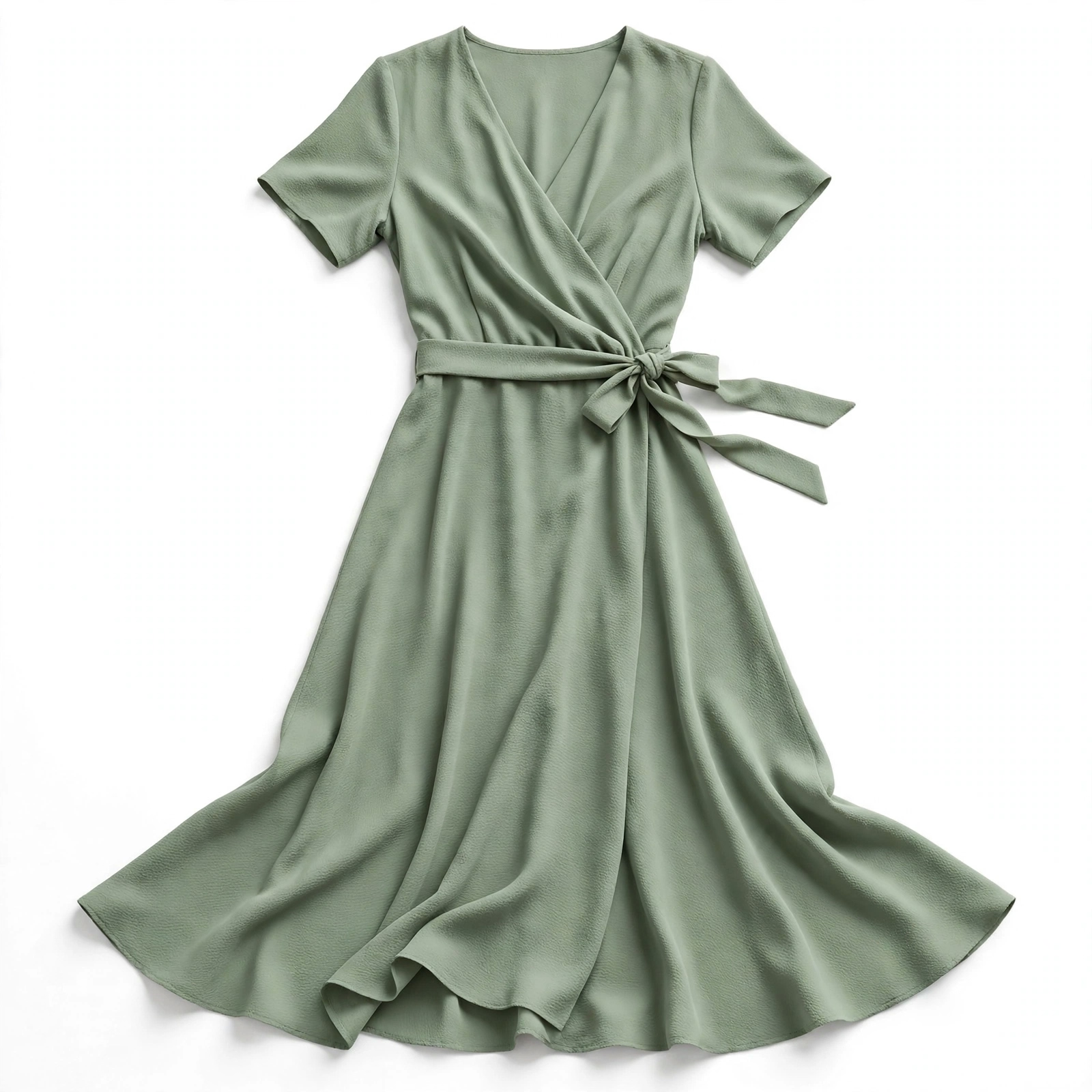
Some dress designs manage fit by architecture rather than precision: wrap fronts, shirred backs, elastic waist channels and adjustable ties forgive the differences between real bodies. These styles carry their own construction standards:
- Wrap ties and closures secured so the front stays modest in wear
- Shirring elastic quality tested for recovery after washing
- Necklines stabilised so stretch fabrics keep their line
- Skirt balance checked so wrap hems hang level
Fit forgiving dresses are often a boutique’s most reordered styles, because customers buy them without a fitting room’s doubt.
Maternity and Extended Size Dresses
Maternity dresses are patterned for a changing body: empire lines, stretch panels and wrap constructions that work across months, in fabrics soft enough for sensitive skin. Extended size dresses are graded on their own blocks with armhole, bust and waist shaping designed for the body, never a scaled up smaller dress.
- Maternity styles with nursing friendly options where specified
- Extended sizes fitted at the largest size, not extrapolated
- Support and lining choices reviewed for comfort in both ranges
How a Dress Programme Is Costed
Dress costing varies more than most categories, because fabric behaviour and finishing decide the price as much as cloth:
- Fabric costed at measured consumption, including drape and print waste
- Lining, zips and finishing itemised per style
- Print costed from the actual artwork and placement plan
- Fit sampling rounds included openly in programme pricing
A buyer can see what an occasion finish costs against a day finish, and choose per style with the numbers in front of them.
Quality Checks Written for Dresses
- Bodice measurements checked at bust, waist and hip on every size
- Zip function and seam invisibility inspected on finished garments
- Hem level and skirt balance checked hanging, as the customer sees it
- Print and stripe matching verified at waist and side seams
- Lining behaviour checked inside and out
- Final garments steamed and presented as the rail will show them
The Seasonal Calendar Behind a Dress Range
Dresses are the most seasonal garments in fashion, and the production calendar is built around the rail dates:
- Spring and summer ranges sampled in the previous autumn
- Print strike-offs approved before fabric commitment
- Occasion and party programmes timed to their event seasons
- Reorder capacity held for the styles that break out early
- Southern hemisphere ranges produced in the opposite cycle
The reorder point deserves emphasis: a dress that sells out in three weeks is a success with a problem attached. Buyers who plan a reorder window into the first order, with fabric held or quickly callable, turn that problem into the season’s best margin.
Denim and Utility Dresses
Denim dresses bring the jeans unit’s wash skills into the dress category: shirt dresses, pinafore styles and fitted denim in washes approved from standards, with the same shade discipline as our jeans programmes. Utility dresses in twill and canvas follow workwear inspired detailing with fashion fit:
- Washed denim dresses in light to mid finishes
- Pinafore and overall dresses with hardware quality checked
- Utility pockets and belt details finished to fashion standard
Packing and Presentation: Dresses Travel Carefully
A dress can be ruined by its own journey: crushed bodices, creased skirts and hanger marks undo good dressmaking. Packing is specified per programme:
- Hanging or carefully folded formats chosen by fabric and style
- Tissue and form protection for bodices and delicate trims
- Polybag sizing matched so garments are not compressed
- Retail tickets and tags placed without piercing visible fabric
Occasion programmes receive the most protective packing, because their customers judge the garment in the first ten seconds out of the box.
Dress Manufacturing Specification at a Glance
| Styles | Day, sun, maxi, midi, shirt, occasion and girls dresses |
| Fabrics | Crepe, viscose, cotton lawn, satin, jersey, chiffon, denim |
| Fit system | Buyer fit blocks held on file, graded bust waist hip together |
| Finishing | Invisible zips, matched linings, fabric appropriate hems |
| Programmes | Summer, occasion, bridesmaid, mother and daughter ranges |
| Export markets | USA, UK, Spain, Germany, Australia, France, Italy |
Questions Dress Buyers Ask This Bangladesh Manufacturer
How do USA buyers keep dress fit consistent across styles?
Through the held fit block: your customer’s body, recorded once and reused, so every new style is patterned from a fit that already sold rather than from a generic chart. Size extremes are fitted, not only the sample size, on every style without exception.
Can a Spanish buyer run one print across several dress styles?
Yes. The print is engineered per silhouette with scale adjusted to each, and the colour story is approved across the finished garments together, so the range arrives reading as one collection. Buyers receive the full set of styles photographed together before bulk, which is when a story either convinces or gets corrected.
Do you line occasion dresses as standard?
Where the design needs it, yes. Lining fabric and colour are specified with the style, cut to support the shell rather than fight it, and checked at fitting because a pulling lining ruins a bodice silently. Unlined styles are finished with bound or faced seams to the same standard.
Are girls dresses checked against safety rules?
Yes, the destination market’s rules for cords, trims and small parts are applied as production specifications and checked at final inspection, with the same seriousness as the fit itself.
What do Italian buyers look for in your dress programmes?
Fabric quality and finish. Italian buyers examine cloth and construction closely, favour crepe, viscose and satin programmes with careful lining work, and expect the sample’s hand feel and drape to be matched exactly in bulk. Our sampling is documented so that match is checkable, not a matter of trust.
How does a UK buyer start a first dress programme?
Send the styles, fabrics and your size charts through our contact page. We reply with costings and a fit sample made on your block, fitted at the size extremes as well as the sample size from the first round.
Read More About Dress Manufacturing in Bangladesh
Why do dresses have the highest fit sensitivity in fashion?
Because a dress is one garment doing the work of two. A top can forgive at the hem and trousers can forgive at the waistband, but a dress joins both at the waist and is judged at all three points simultaneously. That is why dress programmes are built on fit blocks and patience rather than speed. It is also why a dress buyer should judge a factory by its fitting discipline before its price list: the returns ledger will collect the difference either way.
What makes an invisible zip truly invisible?
Three things: the right zip quality, a seam allowance prepared for it, and a machinist who sews close to the teeth without catching them. It is a small skill with an outsized effect, because the back of a dress is where its price is judged. Our zip operators are trained on dress work specifically, and finished zips are function tested on every sampled garment before bulk proceeds. Dressmaking sits inside Bangladesh’s fashion export trade, organised through the Bangladesh Garment Manufacturers and Exporters Association.