
Clothing Fabrics and Materials in Bangladesh
Clothing fabrics set the hand feel, the cost and the working life of a garment before a single pattern is cut.
Every garment starts as a fabric decision. The same T-shirt pattern becomes three different products in three different cloths, and buyers feel the difference before they can name it – in the hand, in the drape, in how the tenth wash treats it. This page is our fabric library: the knitted and woven fabrics, fibres and finishes we work with at Siatex Bangladesh.
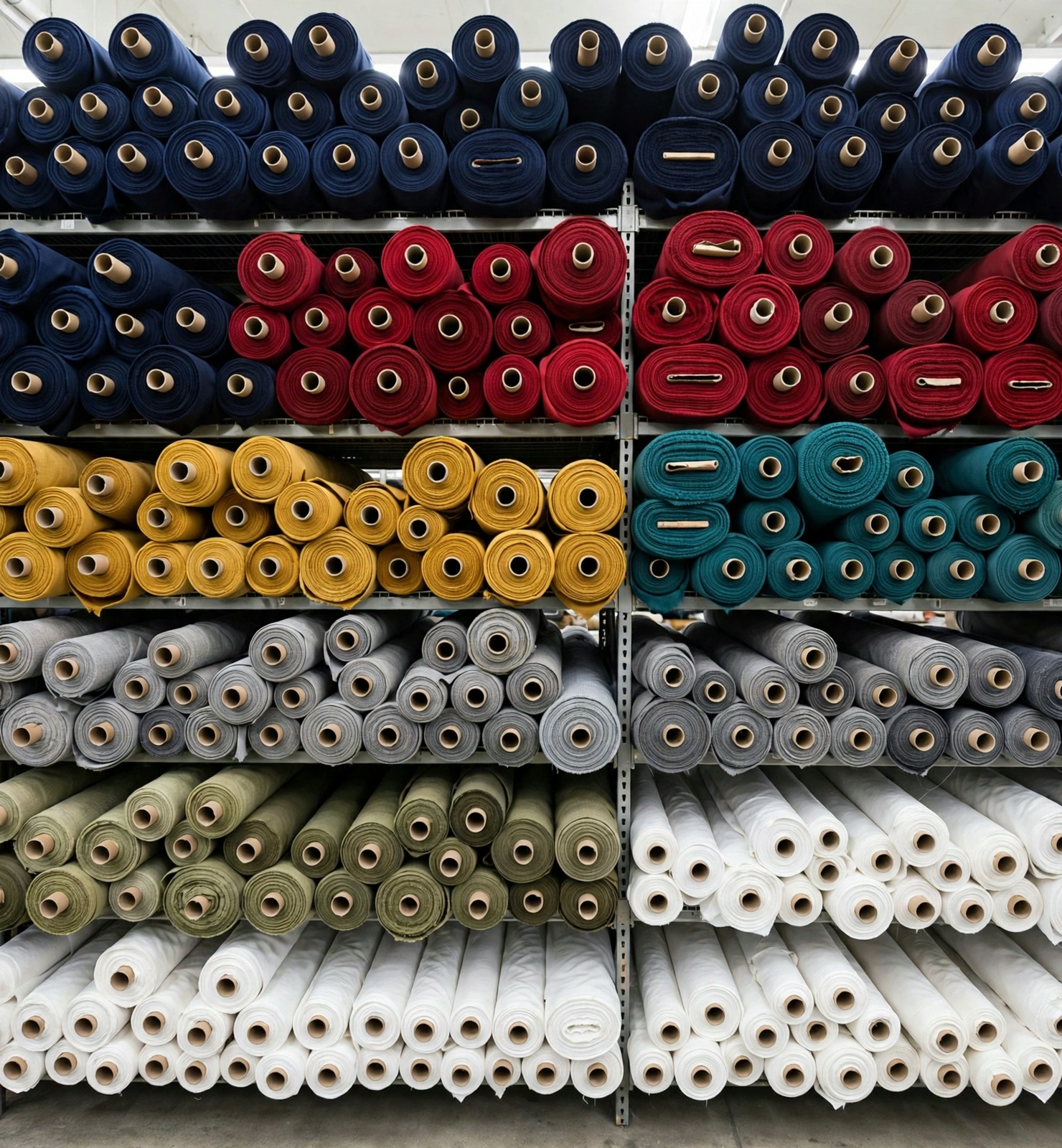
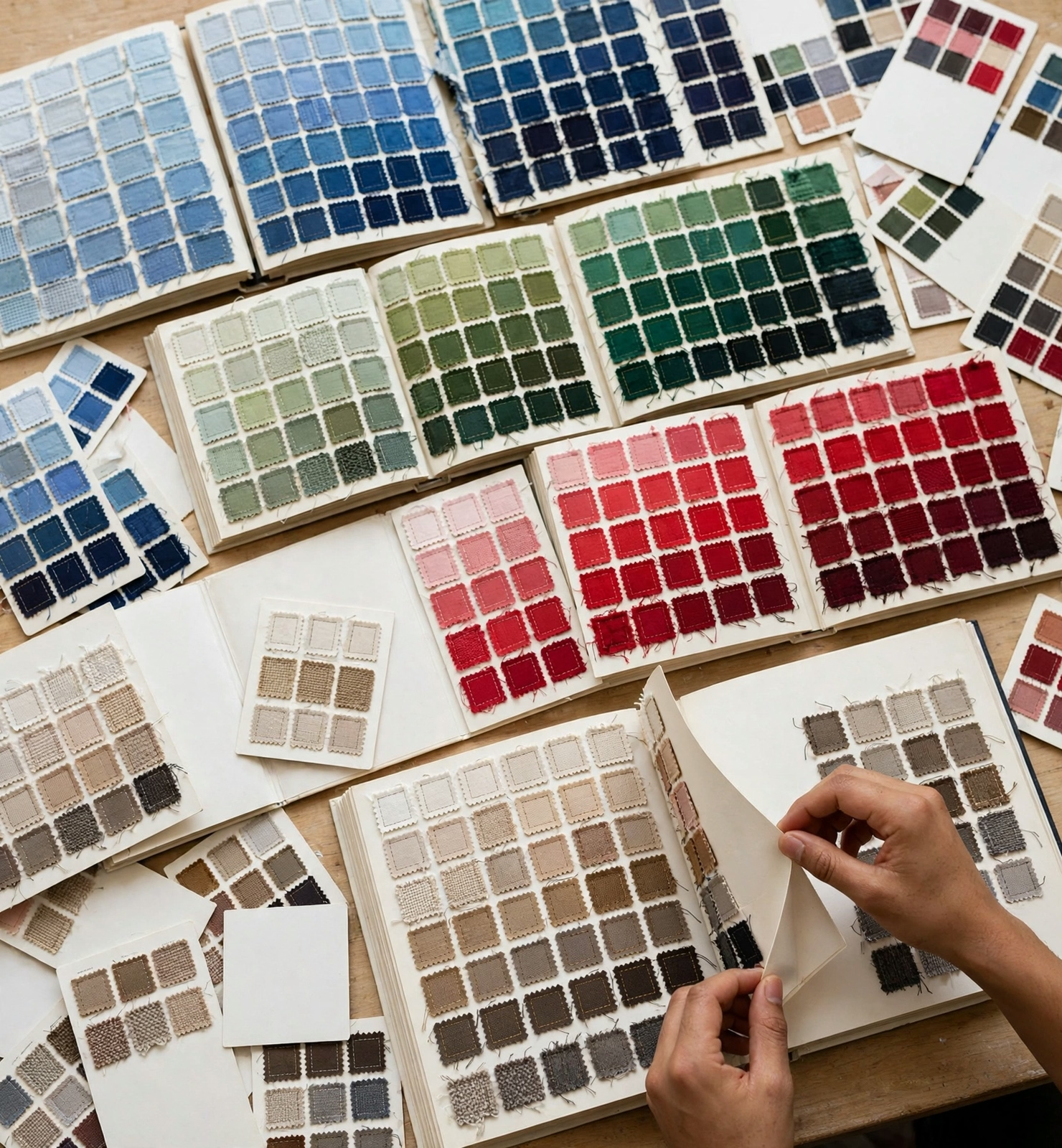
The library is a working one, not a showroom list. Every fabric named here sits inside live sourcing reach – knitted or woven by mills we buy from regularly, dyed and finished to order, and sampled on your garment before bulk. Where your programme needs a cloth outside the library, fabric development starts from your target sample or specification.
Knit and Woven Fabrics for Private Label Clothing Brands
Clothing fabrics set the hand feel, the cost and the working life of a garment before a single pattern is cut.
Every garment starts as a fabric decision. The same T-shirt pattern becomes three different products in three different cloths, and buyers feel the difference before they can name it – in the hand, in the drape, in how the tenth wash treats it. This page is our fabric library: the knitted and woven fabrics, fibres and finishes we work with at Siatex Bangladesh.
The library is a working one, not a showroom list. Every fabric named here sits inside live sourcing reach – knitted or woven by mills we buy from regularly, dyed and finished to order, and sampled on your garment before bulk. Where your programme needs a cloth outside the library, fabric development starts from your target sample or specification.
We supply fabrics inside finished garments for private label brands, importers and retail buyers in the USA, the UK, Germany, Canada and Australia, and for labels selling into Italy, Denmark, South Korea and the UAE. Bring a fabric name, a swatch or just a hand feel you want matched – the desk works from any of the three.
On this page: knit and woven and working together.
The sections below walk the library: the knit constructions, the woven range, the fibres behind both, the finishes that change how a cloth behaves, and how a fabric choice is made properly.
1. Knitted Fabrics: Jersey, Interlock, Rib, Fleece and Piqué
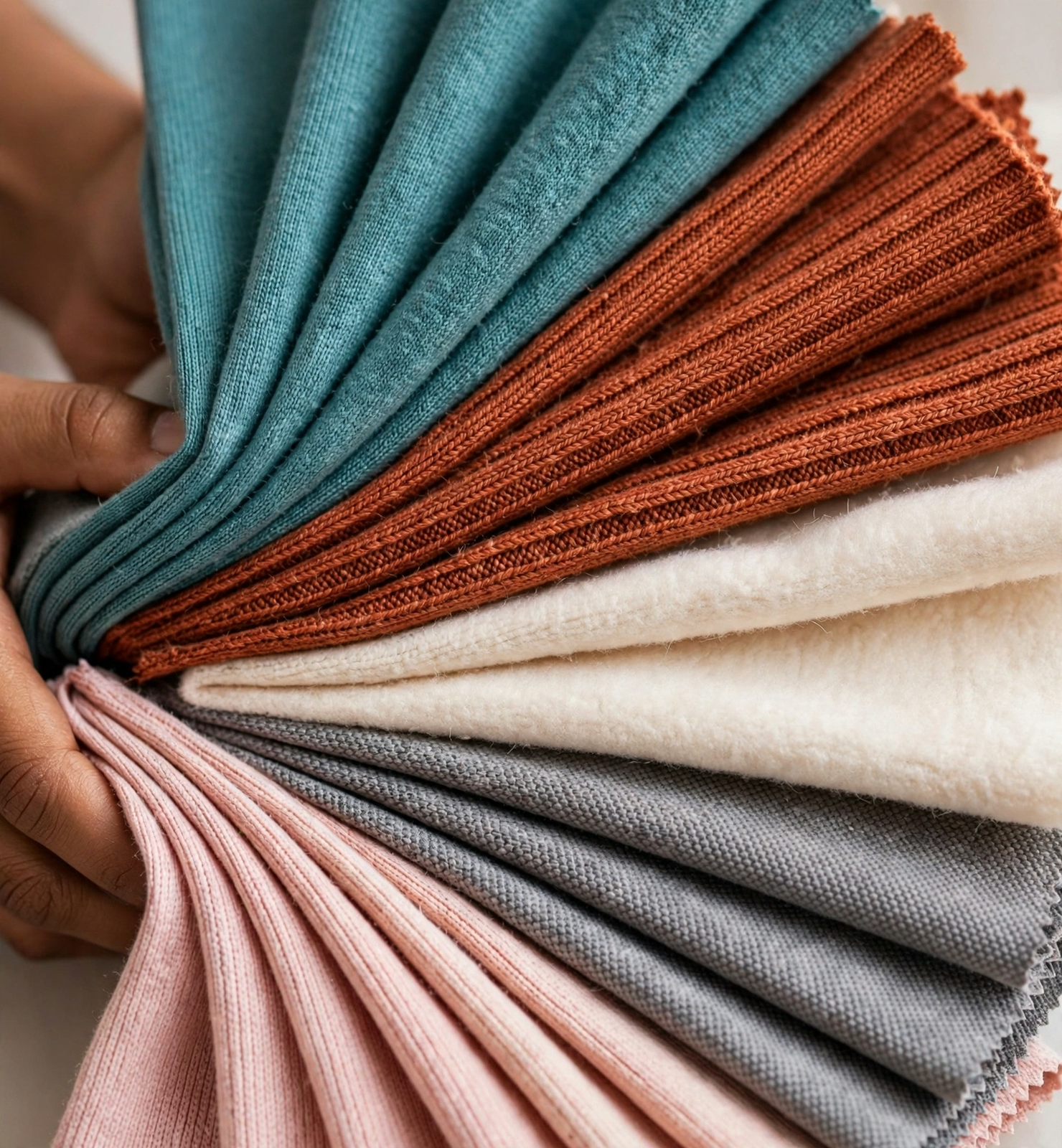
Single jersey is the world’s T-shirt fabric: light, breathable, with a smooth face and a natural stretch. Interlock knits both faces smooth and stable, suiting polos and garments that must hold their shape. Rib knit brings the elasticity that cuffs, collars and fitted styles depend on, while slub jersey carries a deliberate uneven yarn texture for fashion basics.
The warm and textured knits complete the range: fleece with its brushed back for hoodies and sweatshirts, French terry with its looped back for lighter layers, piqué with its waffle-like surface for polo shirts, waffle knit for thermal and textured styles, open mesh for sportswear, and fine tricot for linings and activewear panels. Each is knitted to order in the weight and composition your style needs.
2. Woven Fabrics: Twill, Denim, Oxford, Canvas and More
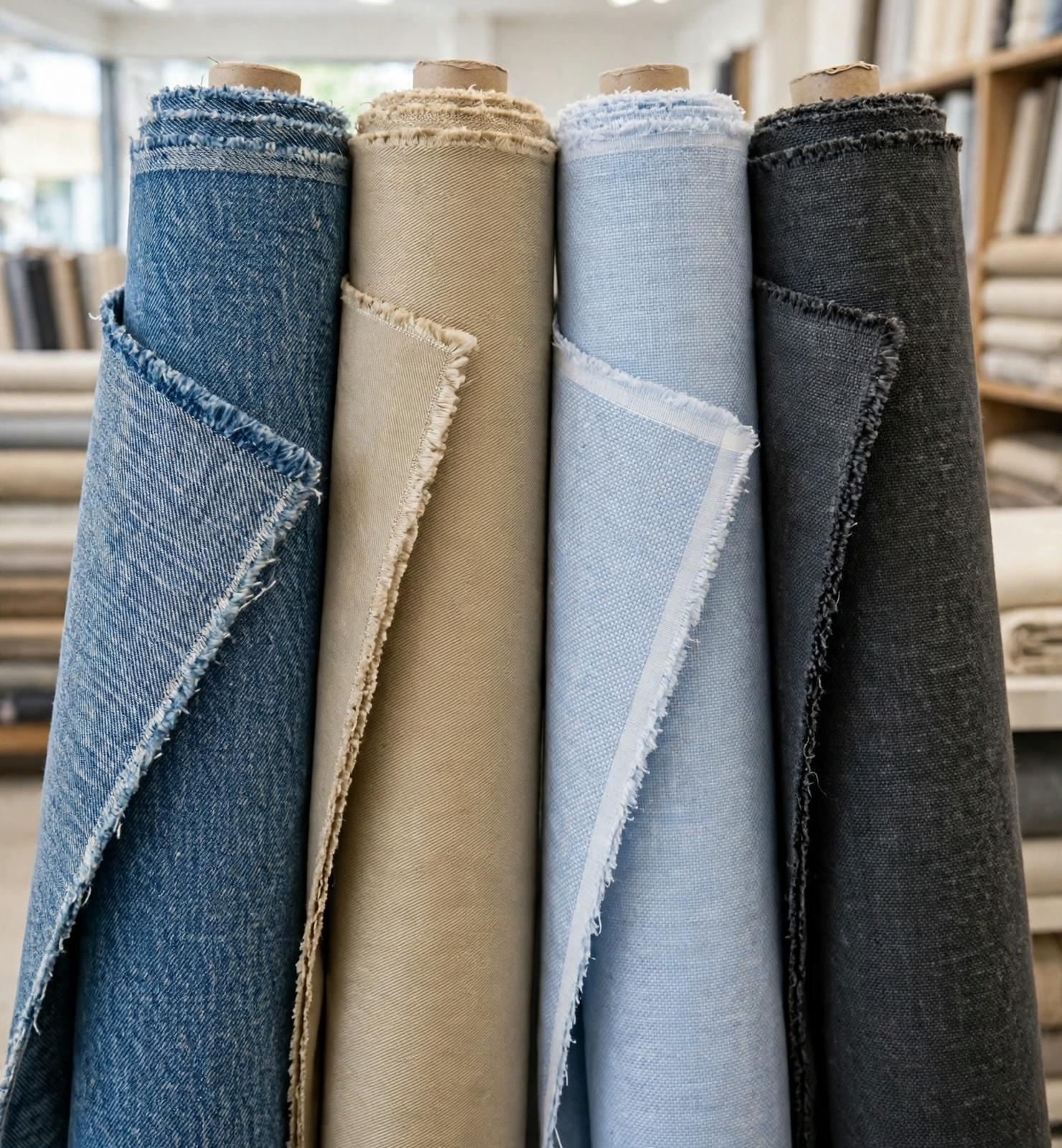
Wovens bring structure where knits bring stretch. The workwear and casual core runs through twill and gabardine for trousers and chinos, denim in its many weights for jeans and jackets, canvas for heavy-duty styles, and khaki cloth for uniforms. Shirts live in oxford, chambray, plain cotton and sheeting, with flannel for the cold months and corduroy beside it.
The dressier and lighter end carries satin and taffeta for occasion pieces, viscose weaves that drape like water, slub fabrics with their textured yarn, velour for plush surfaces, ramie blends for a dry natural hand, and functional woven fabrics engineered for outdoor and workwear programmes. If a woven construction exists in garment making, it can be sourced against your sample.
Season shapes the woven choice as much as style does: the same shirting programme runs a breathable plain weave in spring and a brushed flannel in autumn, and a trouser range moves weight between summer and winter drops. The library is organised so those seasonal swings stay inside one sourcing relationship.
3. Fibres: Cotton, Viscose, Modal, Polyester and Blends
Fibre decides what a fabric wants to be. Cotton stays the default for comfort and printability. Viscose and modal bring silk-adjacent drape and softness to fashion styles, while Tencel-type lyocell adds strength and moisture handling to the same family. Bamboo-derived fibres serve buyers building a natural story, honestly described at sampling for what they are.
The synthetics earn their place on performance: polyester for colourfastness, durability and sportswear behaviour; nylon for strength in lightweight shells; elastane in small percentages almost everywhere, turning a rigid cloth into a comfortable one. Most real programmes are blends – cotton-polyester for easy care, cotton-elastane for fit – and the blend ratio is a sampling decision with real consequences for cost, care and feel.
4. Finishes and Performance Treatments
Finishing is where a good cloth becomes the right cloth. The standard routes run on most programmes: enzyme washing for softness and a clean surface, anti-pilling treatment for fabrics that must stay smooth, brushing for warmth and hand feel, mercerisation for lustre and strength in better cottons, calendaring and tumbling for surface and softness control.
Performance finishes layer on top where the product needs them: moisture management and quick-dry treatments for activewear, water repellency for outerwear, wrinkle resistance for travel and uniform styles, anti-microbial and UV-protection finishes for exposed wear, soil release for workwear, and thermal options for cold-weather lines. Every finish is sampled and wash-tested on your fabric – a finish that washes out in five cycles is a claim, not a feature.
5. Fabric Development and Sourcing Support
Fabric work at Siatex runs through our fabric sourcing desk: your target fabric is matched against mill production, lab dips fix the shade under standard light, and handlooms or sample yardage prove the construction before bulk is committed. Our knitting services cover knit development in-house, and colour work continues through garment dyeing and wash where a garment-dyed route serves the design better.
Development also means honest substitution. When a specified cloth is discontinued, over-priced or wrong for the construction, the desk brings alternatives with their differences stated plainly – composition, weight, hand feel, price direction – and samples them on the garment through sample development, so the substitution is judged as clothing, never as a swatch argument.
6. Choosing the Right Fabric for Your Product
The choice follows the product’s life, not its photograph. Start with end use: a promotional tee washed twice and a retail tee washed fifty times are different fabrics wearing the same name. Then the hand and drape the design needs, the weight the season demands, the care routine your customer will actually follow, and the decoration the garment must carry – prints and embroidery each have fabrics they love and fabrics they punish.
Cost sits inside the same conversation, handled honestly: fibre, weight, construction and finish each move the price, and the desk will show you which choices buy visible quality and which only buy specification lines. The proof is always the sampled garment, checked by our quality assurance team for shrinkage, colourfastness and appearance before bulk – the fabric decision is finished only when the garment says so. Our clothing fabrics library holds knitted and woven qualities that have already passed bulk production, not just sampling. Cellulosic fibres such as TENCEL come from Lenzing, and we knit and dye them to a buyer’s shade standard.
Working With a Clothing Fabrics Library in Bangladesh
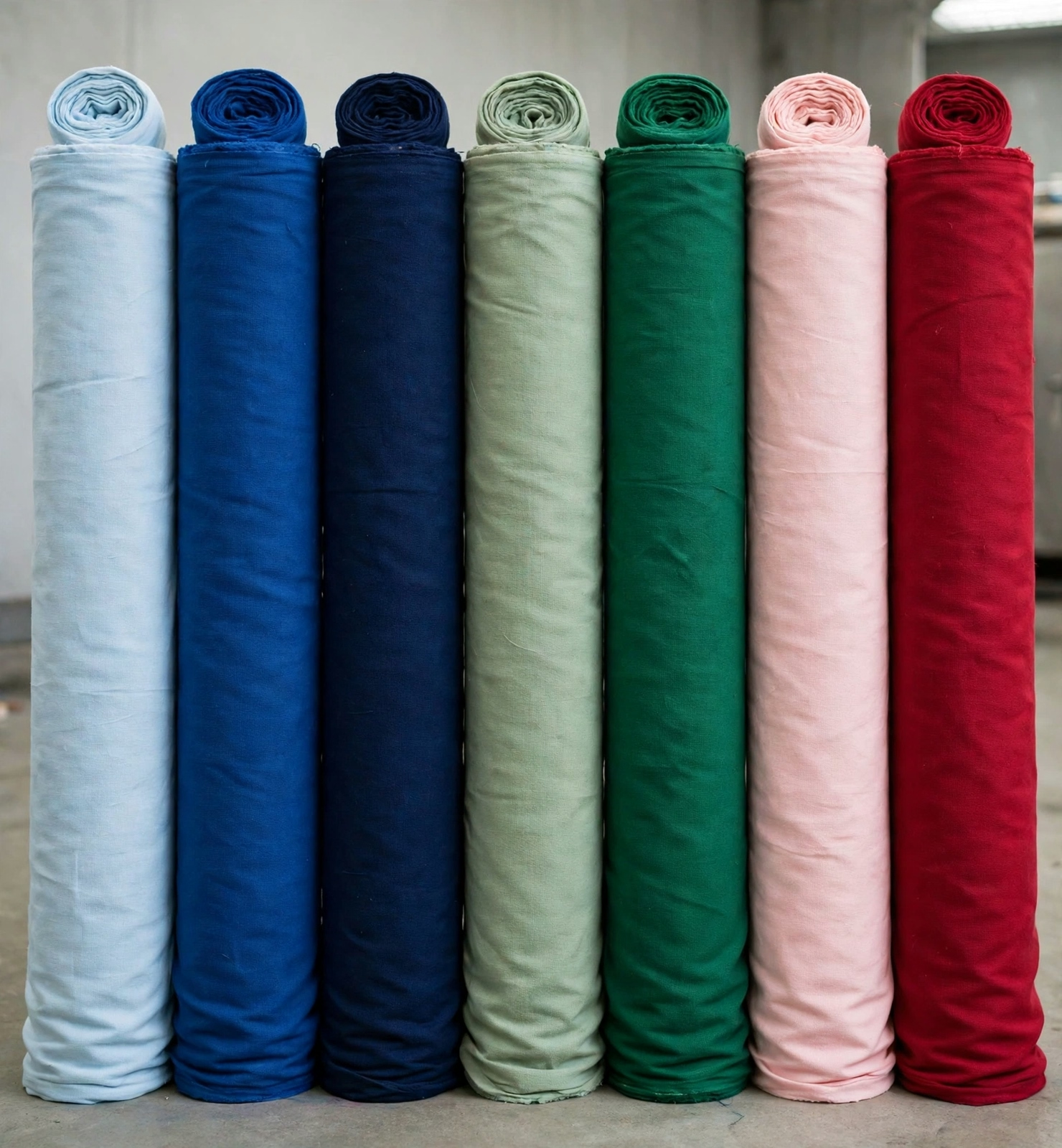
A fabric library is only useful if every roll in it can be repeated: the same weight, the same hand feel and the same shade when the repeat order lands a year later. Buyers usually test a library on one cloth first, ordering a garment from it and checking the bulk against the swatch they approved.
We hold library standards only against real programmes and sell no cloth off the shelf, so your fabric choices stay exclusive to your label. Our sourcing runs inside the Bangladesh knitwear industry represented by the Bangladesh Knitwear Manufacturers and Exporters Association, and our export paperwork follows the same national system your freight forwarder already knows.
- Every library cloth held against a master standard
- Weight, weave and hand feel recorded for every entry
- Your chosen clothing fabrics kept exclusive to your label
- Test results for shrinkage and colourfastness on file
- Swatches sent from the actual standard, not a similar roll
Most buyers in the USA, the UK and Germany choose their clothing fabrics a season ahead, so the library is organised by garment family and selling season. A library that keeps your standards on file lets a new style start from a cloth you already trust instead of a fresh search.
Library cloths are booked against your range calendar, so mill and market capacity is planned against your launch dates rather than ours. If a launch moves, the same merchandiser re-plans the cloth schedule with you before any roll is committed, not after it.
Range planning usually builds a season around a small family of cloths that dye and finish well together, so colours agree across the whole line. We keep your fabric family and its test history together, so a later style can join the family without re-proving the base cloth. Core cloths are held as standing standards all year.
Samples are cut from the library standard itself, so the garment you approve is sewn from the cloth your bulk will use. Where a cloth is developed to order instead, the development roll becomes the standard the moment you approve it, and its full specification is recorded before sampling continues.
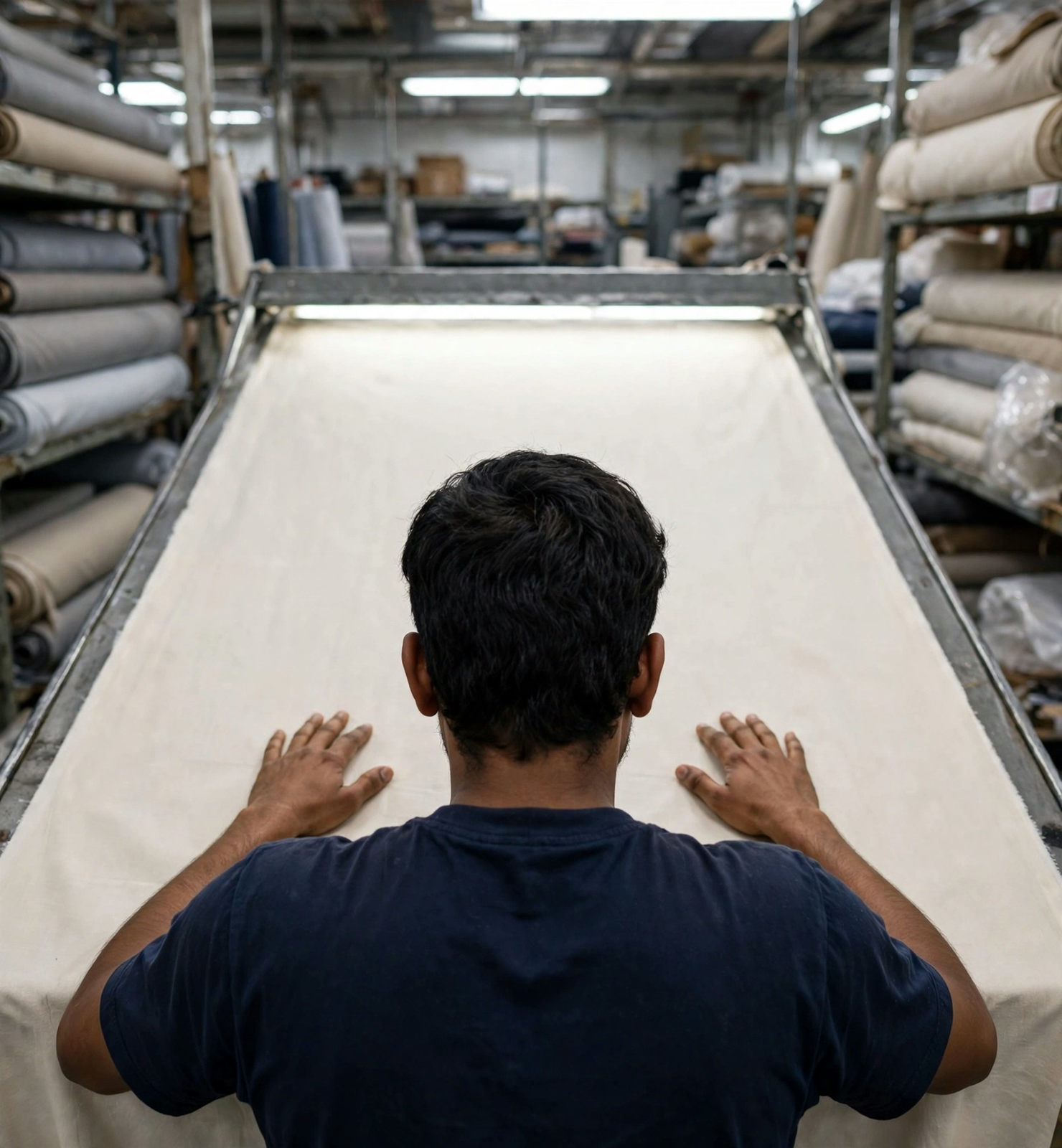
During production, incoming rolls are checked against the library standard for shade, weight and width before they reach the cutting table. Any roll falling short is held back and reported, never cut quietly into your order, and the roll records are filed with the order documents.
Fabric records for each order travel with the order documents, so the clothing fabrics inside every carton can be traced to their standard and their test results. Copies reach you on the day of dispatch, and the same standards stand ready when a repeat order needs the identical cloth again.