
Uniform Manufacturer in Bangladesh Supplying Schools, Hospitals and Companies in the UK, the USA and the UAE
A uniform is a promise an organisation makes every morning: every staff member, every student, every guard looks like they belong to the same team. That promise breaks in predictable places: a colour that fades faster than the rest of the set, a size run that runs out, a reorder that arrives in a slightly different shade.
Siatex Bangladesh manufactures uniforms in Bangladesh as long running programmes, not one off orders: school, hospital, security, hospitality and corporate uniforms built to a written specification that is held on file and matched on every replenishment.
The Uniform Sectors We Manufacture For
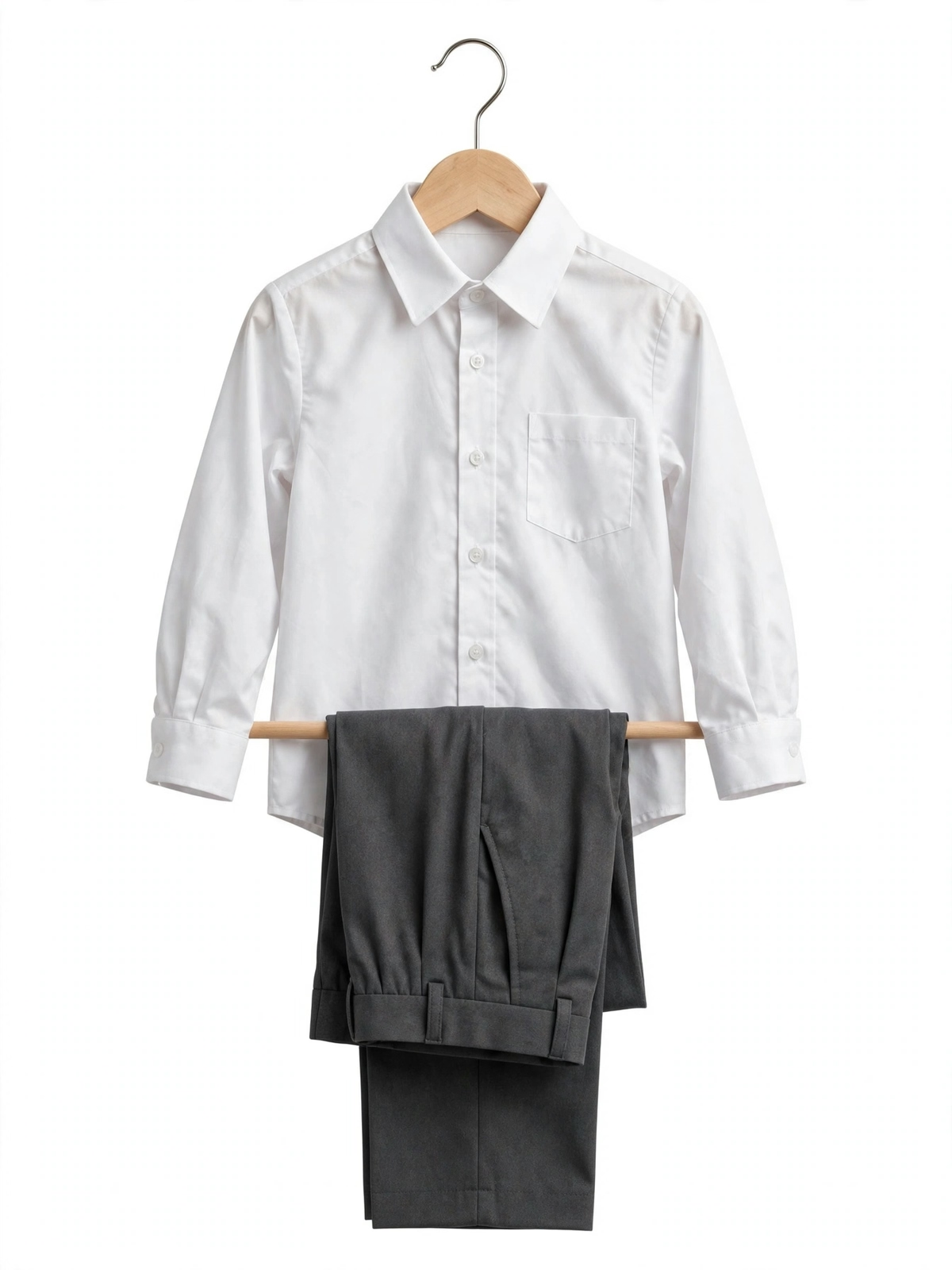
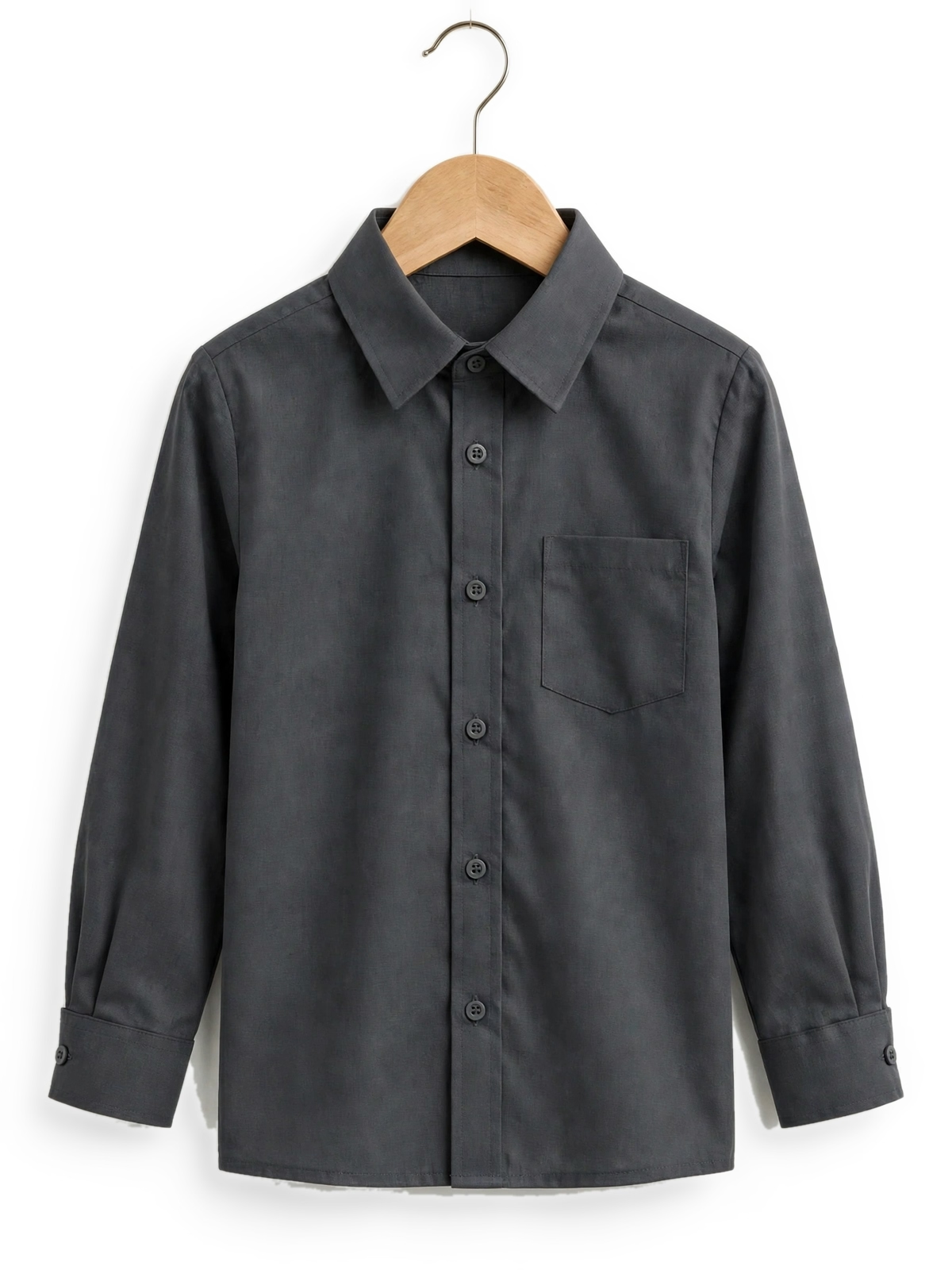
- Schools: uniform sets, shirts, polos, skirts, trousers and PE kits in house colours
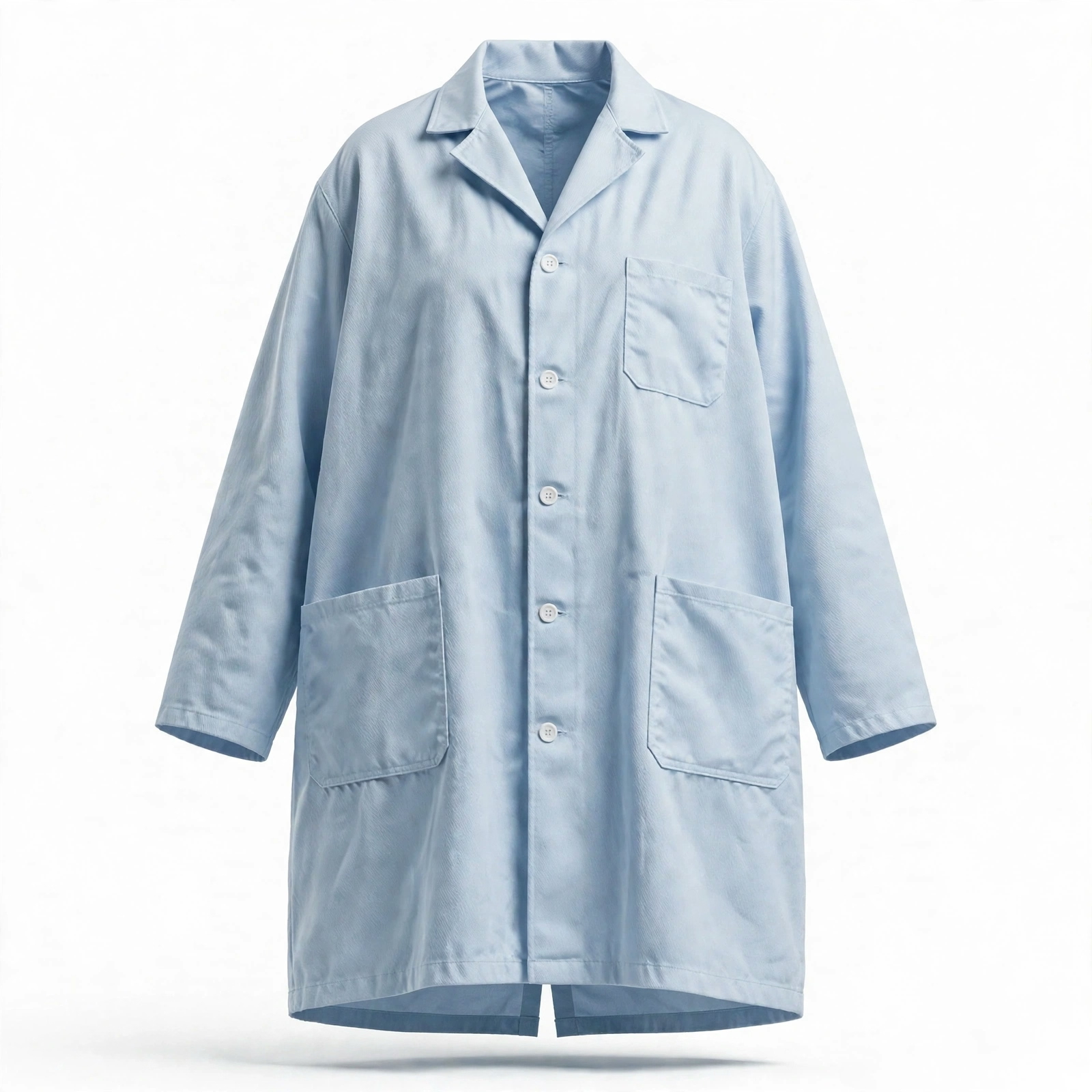
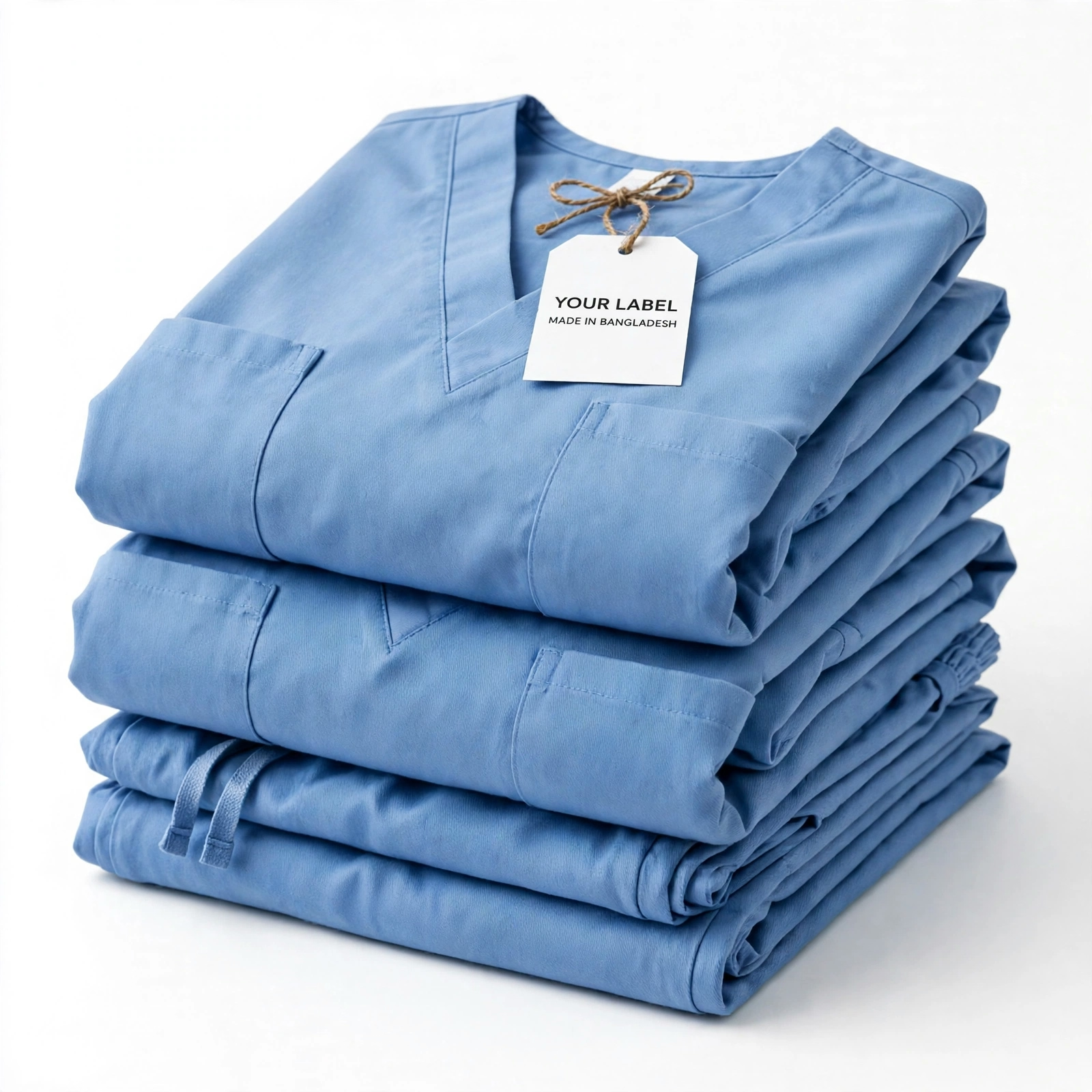
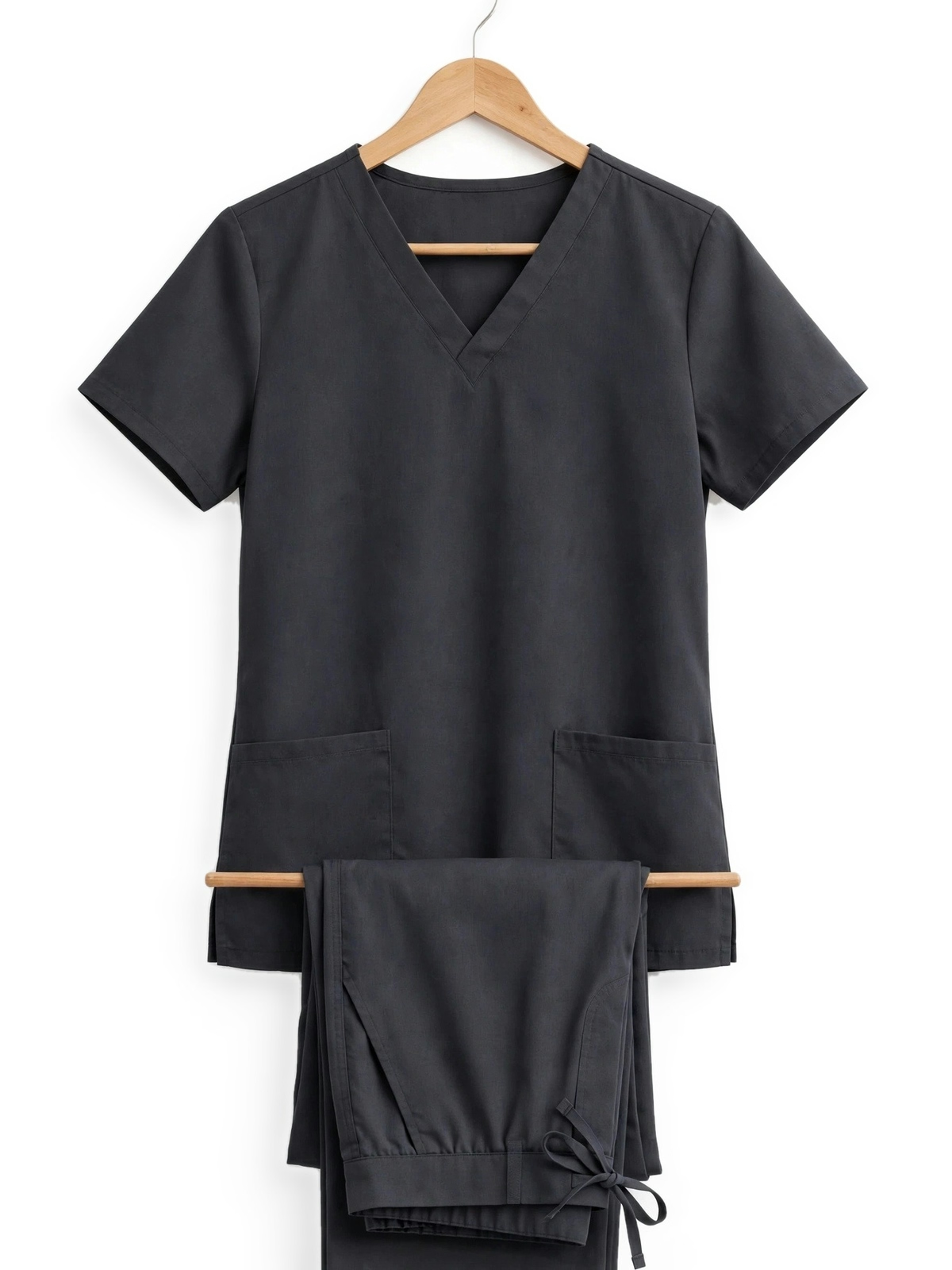
- Healthcare: scrubs, nurse uniforms, lab coats and patient wear in wash proof fabrics
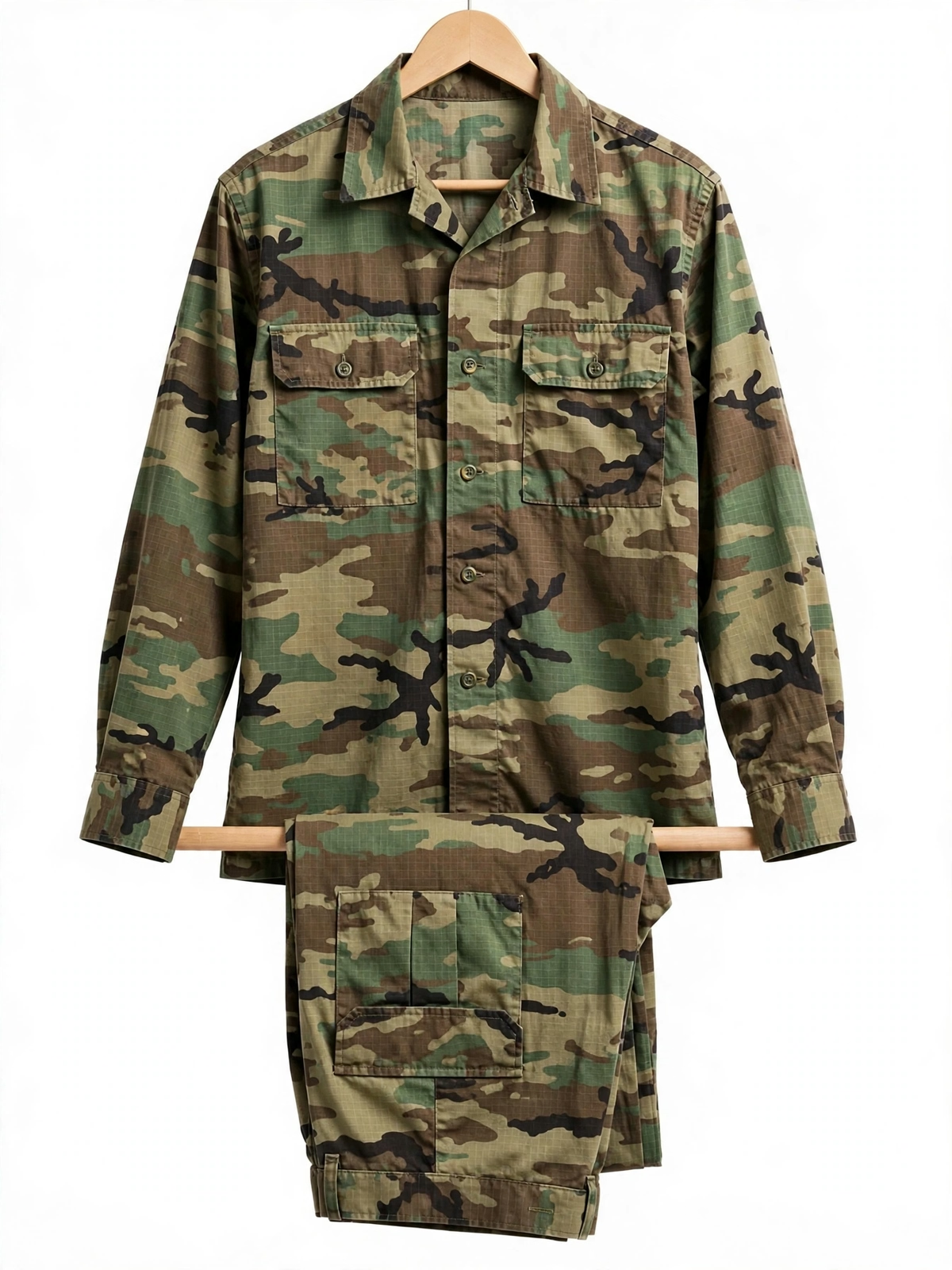
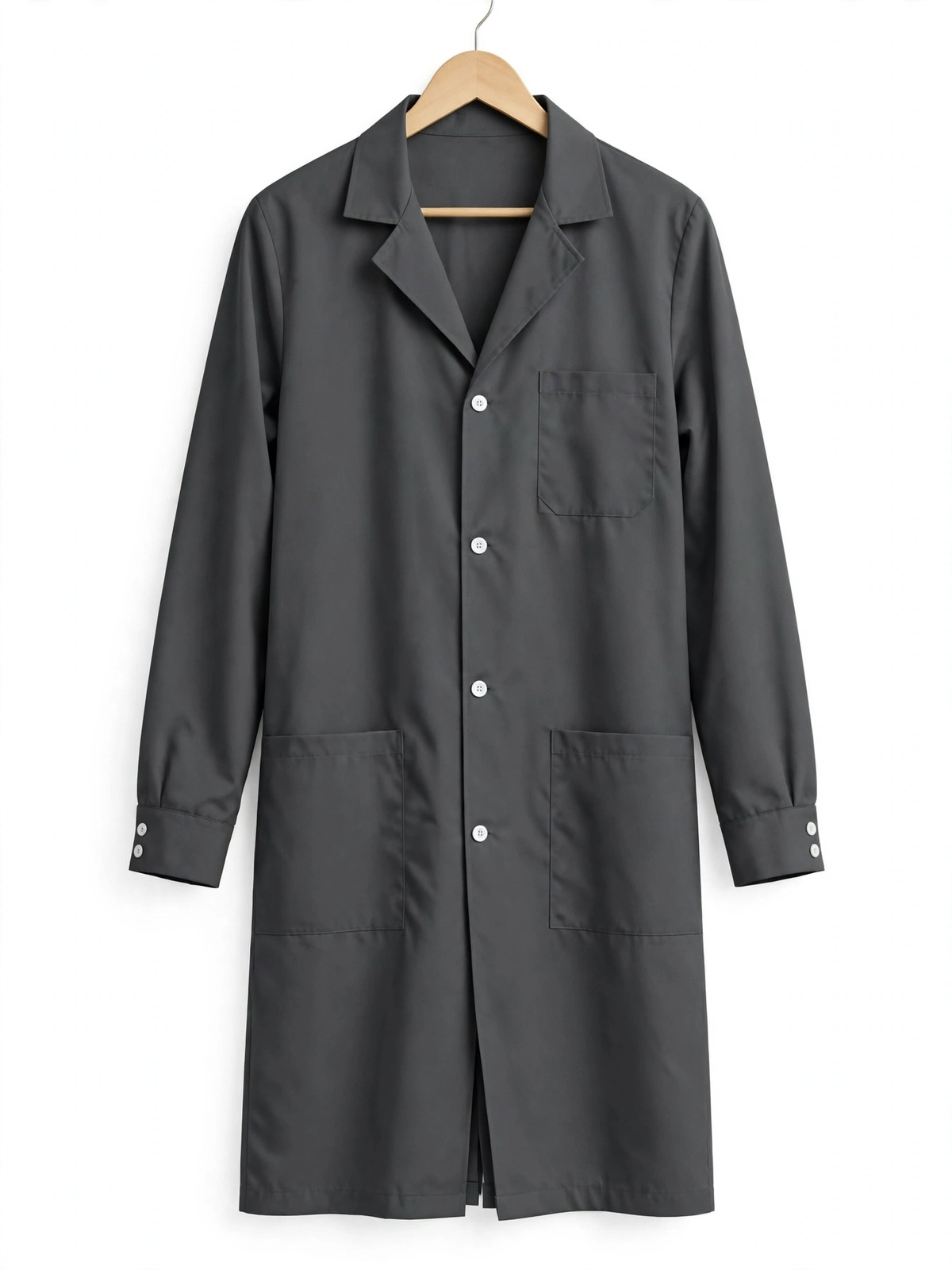
- Security: guard uniforms with epaulettes, badges and reinforced construction
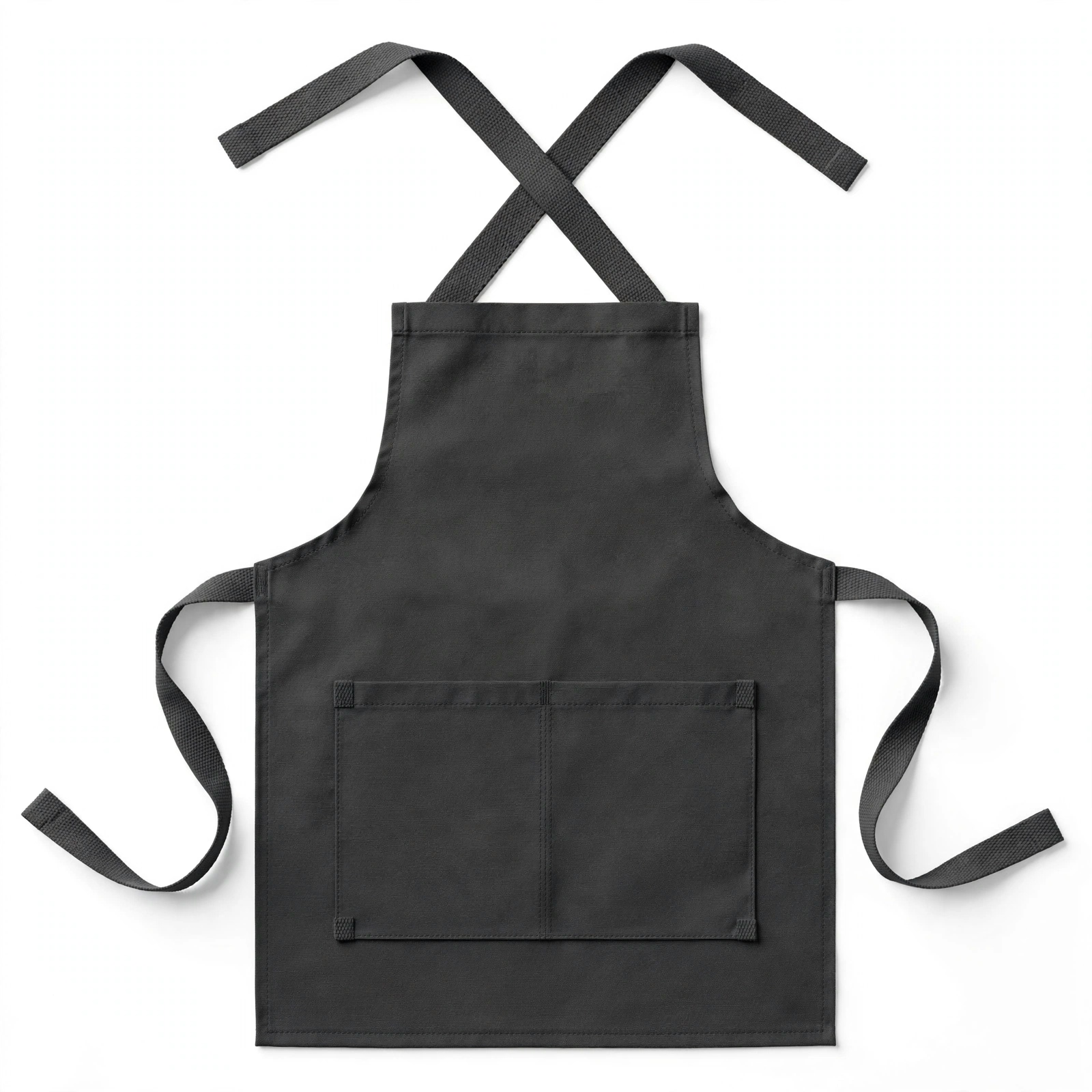
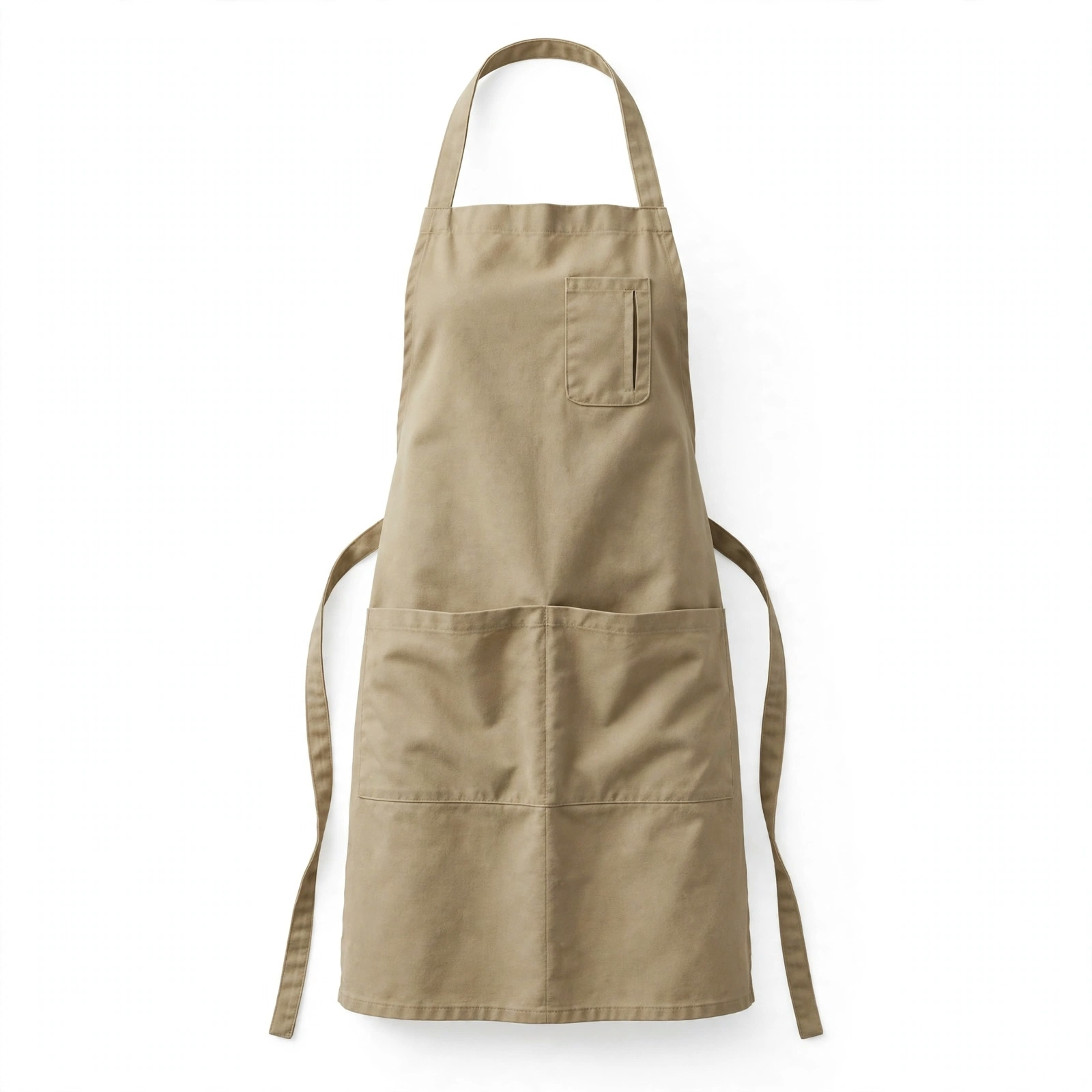
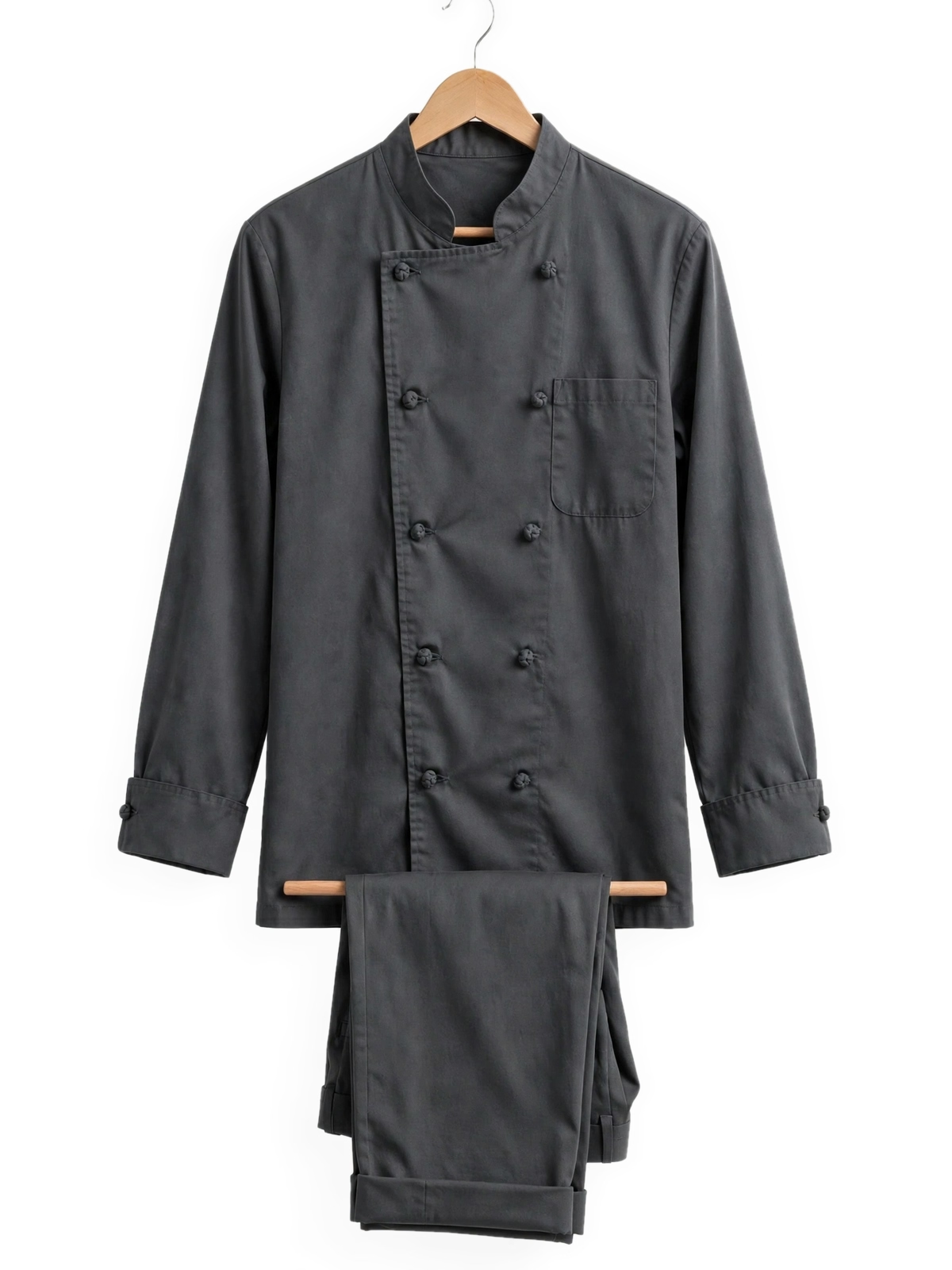
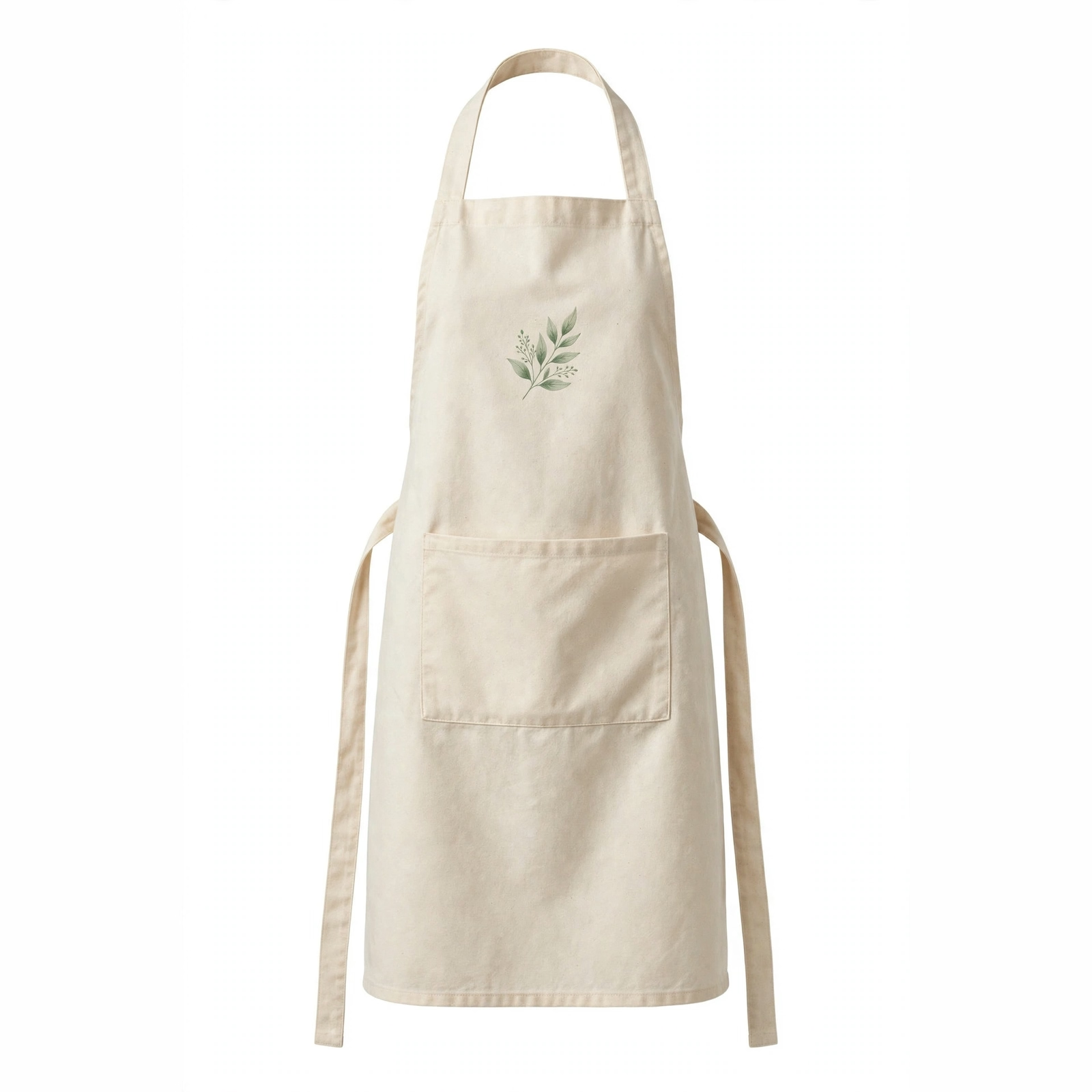
- Hospitality: chef uniforms, waiter and housekeeping sets, aprons and front desk wear
- Corporate: office uniforms, branded shirts, polos and soft suiting for staff teams
- Industrial: work uniforms and coverall programmes run with our workwear lines
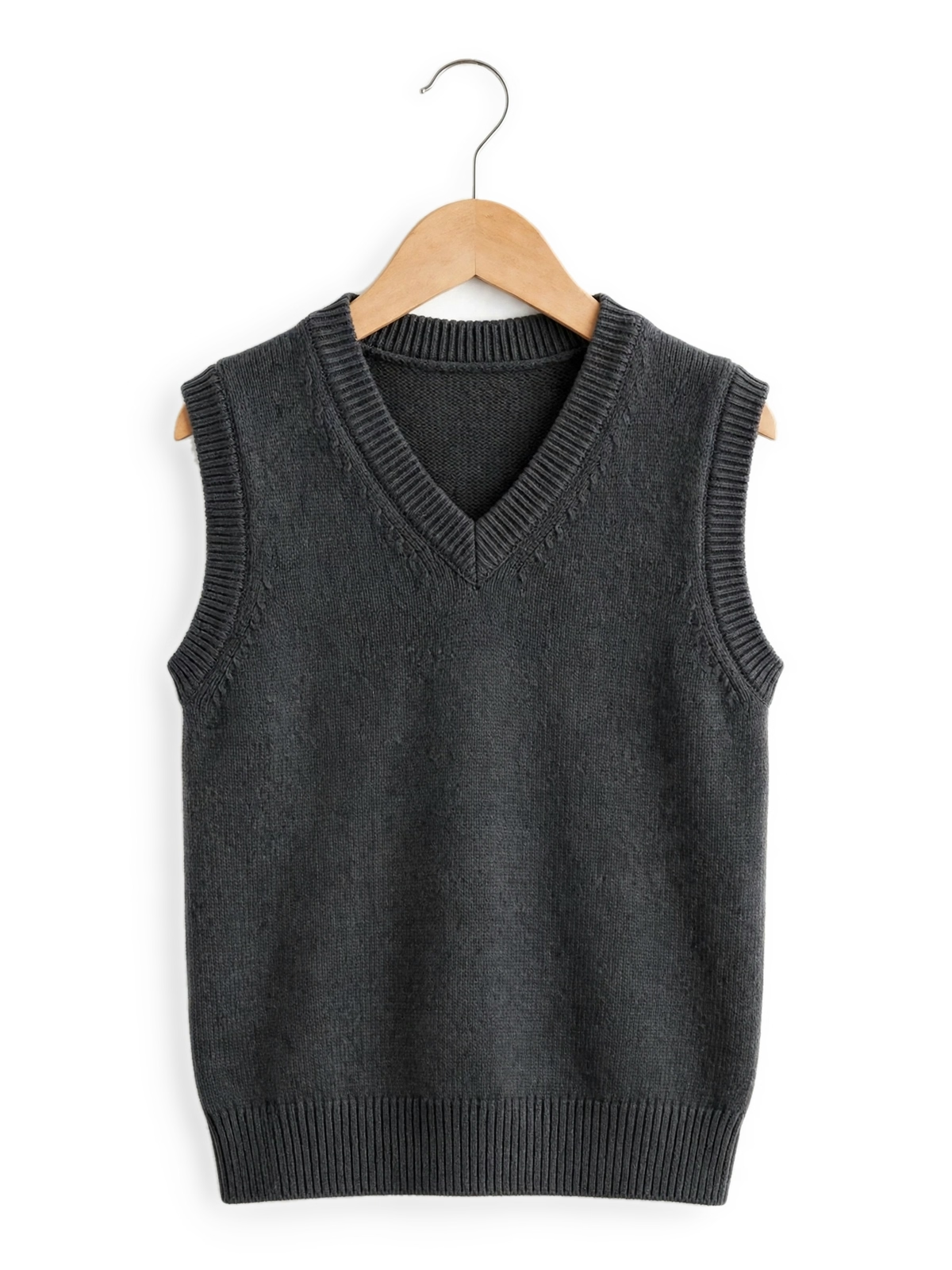
Our school uniform set manufacturer Bangladesh and medical scrubs manufacturer Bangladesh programmes show the two ends of the discipline: colour and fit held across thousands of wearers and hundreds of washes.
Fabrics Chosen for Washing Reality, Not the Showroom
Uniform fabrics are specified against the laundry, because that is where uniforms live:
- Poly cotton blends that hold colour and shape through industrial washing
- Colourfast dyeing tested at the temperatures institutions actually use
- Crease recovery finishes for staff who must look pressed all shift
- Breathable constructions for hot climate uniforms in the Gulf and tropics
- Anti microbial and fluid resistant options for healthcare programmes
- Hard wearing twills for security and industrial uniforms
Colour Consistency: The Uniform Programme’s First Law
Nothing undermines a uniform faster than two shades on one team. Colour is controlled as a system:
- A retained physical standard for every programme colour
- Dyelot approval against the standard under controlled light
- Fabric from one approved lot per production batch wherever possible
- Reorder garments checked against the original standard before dispatch
- Trims, threads and buttons colour matched with the same discipline
Sizing a Whole Workforce
Uniform orders fail quietly at the size extremes. Programmes are built with the full run in mind:
- Size runs from the smallest to the largest wearer, graded properly at the ends
- Ladies and men’s blocks cut separately for staff uniforms
- Children’s uniforms graded by age and height for school programmes
- Size curve planning with the buyer so stock matches the real workforce
- Tall, short and maternity options available on healthcare and corporate lines
Badges, Logos and Rank Markings
Uniform branding carries authority, so it is applied with care: embroidered crests and name tapes, printed logos where embroidery is impractical, epaulettes and rank slides for security programmes, and department colour coding for hospitals.
Our security guard uniform manufacturer Bangladesh work includes the full marking set, produced to the client’s specification and positioned identically on every garment, because a badge two centimetres off reads as carelessness on parade.
Replenishment: The System Behind the Uniform
The first order is the easy part. A uniform programme earns its keep in year three, when new staff need the same kit:
- The full specification, patterns and colour standards held on file
- Replenishment orders produced against the file without new sampling
- New starter kits packed per person or per size group
- Seasonal top ups planned with the buyer’s intake calendar
- Discontinued size and style records kept so nothing is silently substituted
Uniform Exporter From Bangladesh to Institutional Buyers
Uniform Supplier for UK Schools and Healthcare Groups
UK schoolwear buyers and healthcare groups run the longest programmes we serve: house colours and scrub colours held for years, with September and intake peaks planned a season ahead.
Uniform Manufacturer for USA Corporate and Hospitality Programmes
USA buyers outfit hotel groups, restaurant chains and service companies, often across many properties. One specification, split deliveries, identical branding: the programme structure handles the geography.
Uniform Exporter Serving UAE, Canadian and Australian Institutions
UAE buyers take hospitality and security uniforms in hot climate fabrics. Canadian and Australian institutions run school and healthcare programmes with strict colour and safety standards, all held on the same file system.
Compliance and Safety in Uniform Making
Institutional buyers audit for their own regulators as much as for themselves. High visibility elements meet the buyer’s specified standard, children’s uniforms follow destination cord and fastening rules, and healthcare garments are built to the hygiene specifications of the programme. Audit documentation is supplied from production records, not assembled afterwards.
Chef and Hospitality Uniforms in Detail
Hospitality uniforms work in heat, grease and public view at the same time. Chef jackets and coats are built in breathable cottons and poly cottons with cloth knot or snap options, aprons in heavy twill with reinforced ties, and front of house sets that keep a pressed look through a full shift.
- Chef jackets, trousers, aprons and hats as matched sets
- Housekeeping and spa uniforms in easy care, quick dry fabrics
- Waiter and front desk wear with property branding embroidered
- Stain resistant and crease recovery finishes where specified
Hotel groups value the replenishment file most in this sector: staff turnover is constant, and a new starter’s uniform must match the team’s on their first morning.
Healthcare Uniforms in Detail: Scrubs, Tunics and Lab Coats
Healthcare garments are specified by people who understand laundry and infection control. Scrubs are cut for movement with reinforced pockets and bar tacked stress points; tunics carry department colour coding; lab coats are built with the length, closure and pocket layout the buyer’s clinicians actually use.
Colour coding deserves its own note: in a hospital, a tunic colour is information. Departments are told apart at a glance, so the shade standard for each colour is held as strictly as a school’s house colour, and a faded batch is not a cosmetic issue but a communication failure on the ward.
- Scrub tops and trousers in wash proof, colour coded ranges
- Nurse tunics and dresses with action backs for movement
- Lab coats in specified lengths with knitted cuffs where required
- Patient gowns and wear in soft, dignity preserving designs
- Anti microbial fabric options for clinical environments
How a Uniform Programme Is Priced and Kept Stable
Institutions budget uniforms annually, so price stability is part of the product. Programmes are priced with the components shown:
- Garment cost by fabric and construction at the specified standard
- Branding costed per application, from the actual embroidery file
- Replenishment priced against the same specification, not resampled
- Fabric price movements reported openly when a programme requotes
The discipline cuts both ways: we do not quietly thin a fabric to hold a price, because a uniform that fades early costs the institution more than the saving.
School Uniforms in Detail
School programmes combine the widest size range in the uniform trade with the hardest wearing conditions. A set must fit a five year old and a seventeen year old in the same house colour, and survive a school year of daily wear and weekly washing.
- Uniform shirts, polos and blouses in school colours
- Trousers, shorts and skirts with reinforced knees and seams
- School sweaters and cardigans knitted to the uniform standard
- PE kits and sports uniforms in house colours with crests
- Ties, socks and accessories sourced to complete the set
Parents judge a school uniform in the second term, not the first week. Seams, knees and colour are specified for that judgement, and the September peak is planned with the buyer a season ahead so no child starts term in the wrong shade.
From Tender to Delivery: How Institutions Buy Uniforms
Institutions often buy by tender or framework, with written specifications and sample evaluation. We work inside that process comfortably:
- Written specification answered point by point
- Evaluation samples made to the tender standard, wash tested
- Size set and colour standards submitted for approval
- Delivery schedules matched to term dates and intake calendars
- Performance records kept for framework renewals
A tender sample from us is a production promise: the bulk is audited against the same standard the evaluation panel approved. The evaluation panel’s comments are filed with the programme, so any point they raised is answered in the production specification itself, not left as correspondence.
Uniform Faults That End Programmes, and the Checks That Prevent Them
Institutions rarely change suppliers over one fault; they change over the same fault twice. The repeat faults in this trade are known, and each has a named check in our system:
- Shade drift between orders: prevented by the retained standard and dyelot approval
- Size inconsistency: prevented by pattern files and size set records per programme
- Embroidery variation: prevented by one digitised file and fixed placement points
- Early fading: prevented by wash testing at real institutional temperatures
- Seam failure in service: prevented by stitch density standards and stress point reinforcement
The programme file records every fault report a buyer sends, with the correction made. At renewal time that record is the honest answer to the only question that matters: did the supplier learn?
Uniform Manufacturing Specification at a Glance
| Sectors | School, healthcare, security, hospitality, corporate, industrial |
| Fabrics | Poly cotton, wash proof twills, breathable blends, healthcare options |
| Colour control | Retained standards, dyelot approval, reorder matching |
| Branding | Embroidery, name tapes, badges, epaulettes, department coding |
| Size runs | Full workforce and school runs, ladies and men’s blocks, age grading |
| Export markets | UK, USA, UAE, Canada, Australia, Germany, Saudi Arabia |
Questions Uniform Buyers Ask This Bangladesh Manufacturer
How do UK schools keep the same house colour year after year?
The colour standard is physical and retained: a master sample held on the programme file, every dyelot approved against it, and every reorder checked before dispatch. The colour cannot drift because it is never redefined from memory. Trims and embroidery threads are held to the same master, so a new crest matches the original uniform completely.
Can a USA hotel group outfit new properties from the original specification?
Yes. The specification, patterns, branding files and packing format are held as one programme record, so a property opening in a new state receives kit identical to the first property’s.
Do UAE security companies get epaulettes and badges made with the uniforms?
Yes. Rank slides, epaulettes, badges and name tapes are produced or sourced to specification and fitted during making, so uniforms arrive ready to issue.
What wash testing do hospital uniforms go through?
Colourfastness and shrinkage are tested at institutional wash temperatures on production fabric, and the results are recorded per programme. Healthcare buyers receive the test evidence with their pre-production approval.
What do Australian institutions order most from your uniform lines?
School uniform sets with crested polos, healthcare scrubs in department colours, and hospitality sets for hotel groups. Australian buyers test colourfastness hard, because sun and washing together punish weak dyeing, and our wash evidence is prepared for exactly that examination.
How does a Canadian school start a uniform programme?
Send the garment list, house colours and size range through our contact page. We reply with fabric proposals, costings and a sample set in your colours.
Read More About Uniform Manufacturing in Bangladesh
Why do uniform programmes outlive fashion programmes?
A fashion style lives for a season; a school uniform lives for a decade. The buying skill is therefore different: less prediction, more record keeping. The factories that serve institutions well are the ones whose files are as disciplined as their sewing, which is why our programme records are treated as production assets.
What should an institution check before choosing a uniform supplier?
Three records: the colour standard system, the reorder history on a long programme, and the wash test evidence. A supplier who can show all three can hold a uniform for years. Ask also how faults are recorded, because a supplier who files a buyer’s complaints and answers them in the next production run is a supplier who will still be consistent in year five. The institutional trade sits inside Bangladesh’s wider garment industry, organised through the Bangladesh Garment Manufacturers and Exporters Association.