
Workwear Manufacturer in Bangladesh Building Coveralls and Hi-Vis Clothing for German, UK and USA Industrial Buyers
Workwear is clothing bought as equipment. It is judged on cost per wear across hundreds of industrial washes, on pockets that hold the tools of a trade, and on seams that survive the shift, the site and the laundry. Fashion rules do not apply here; engineering rules do.
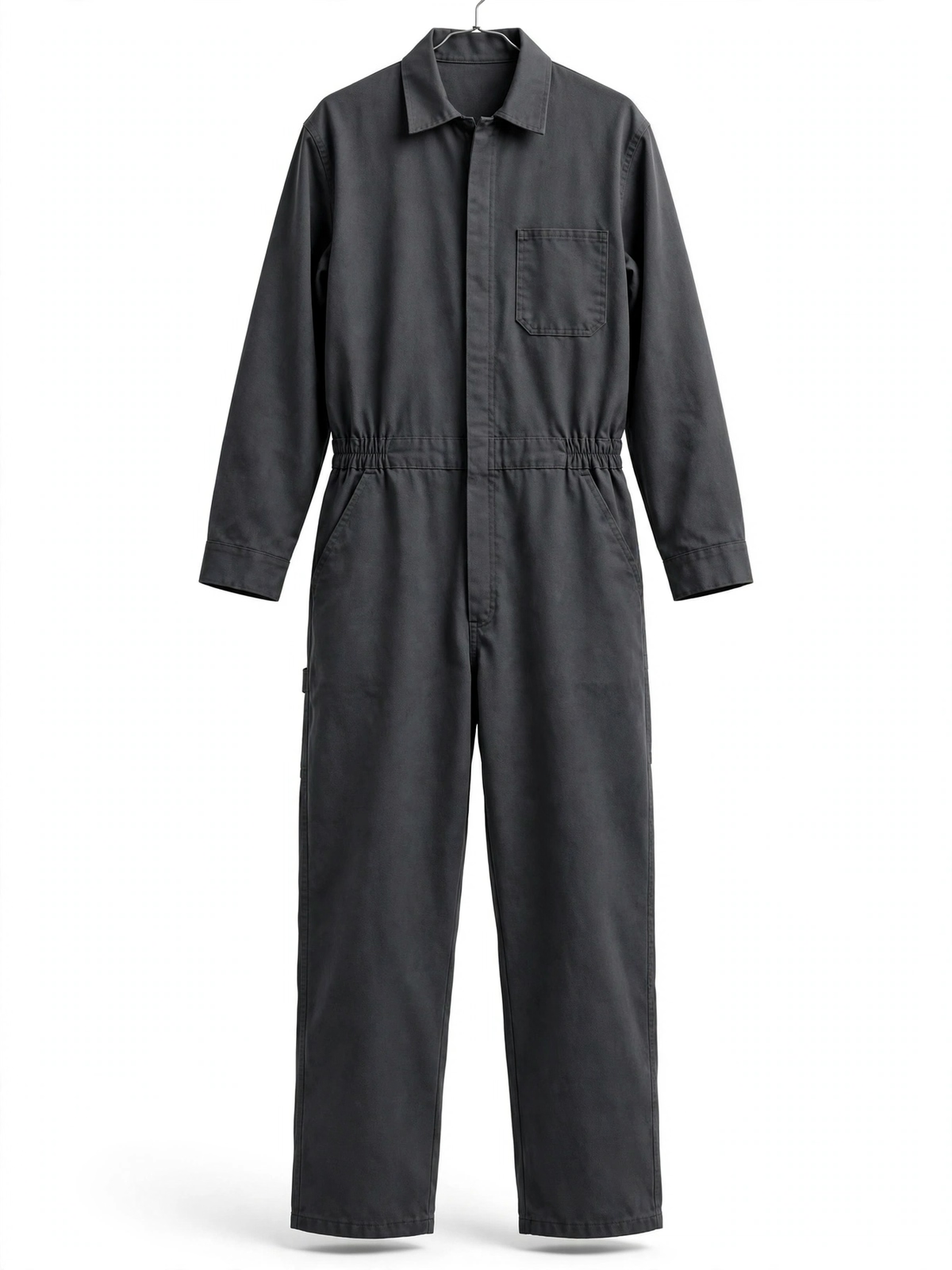
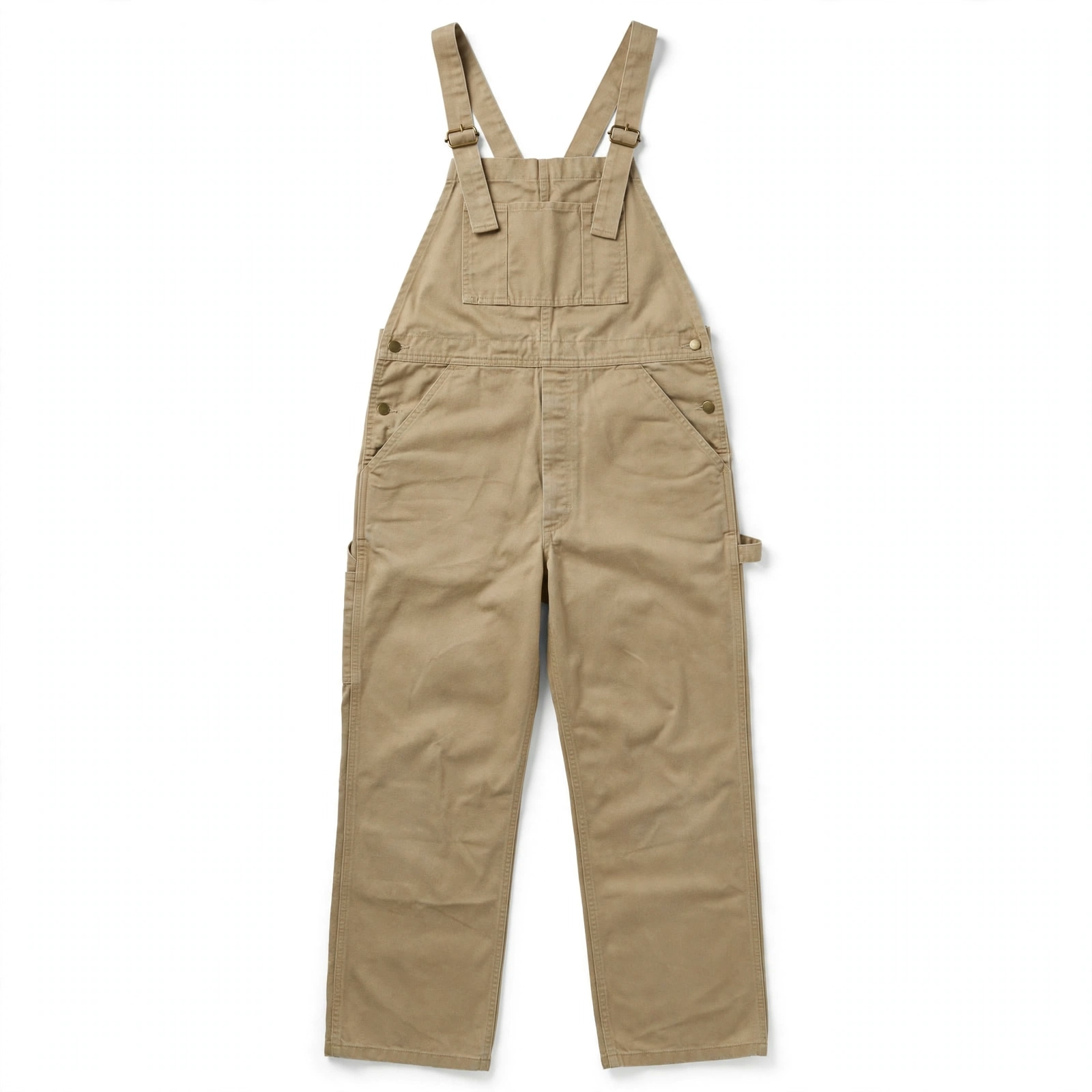
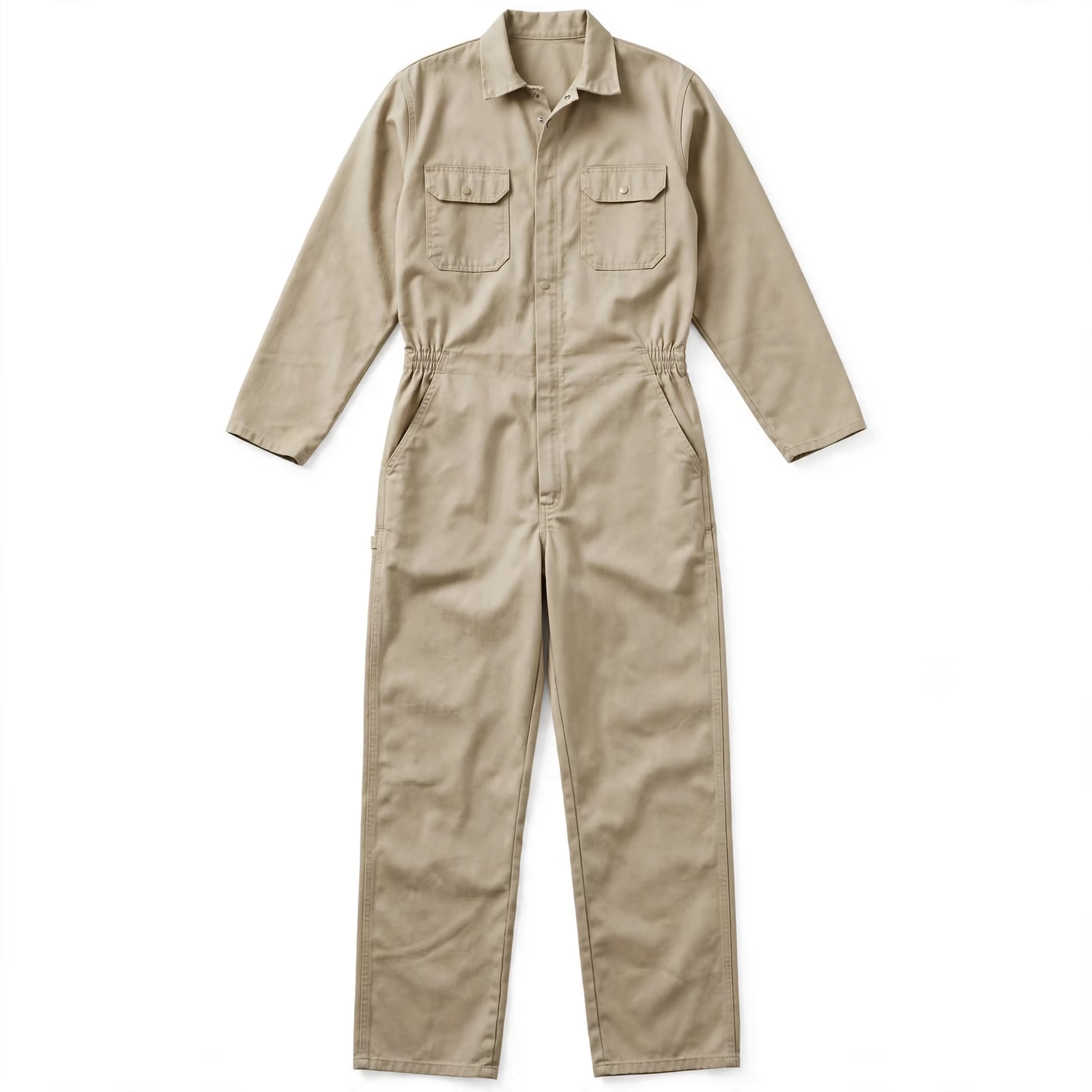
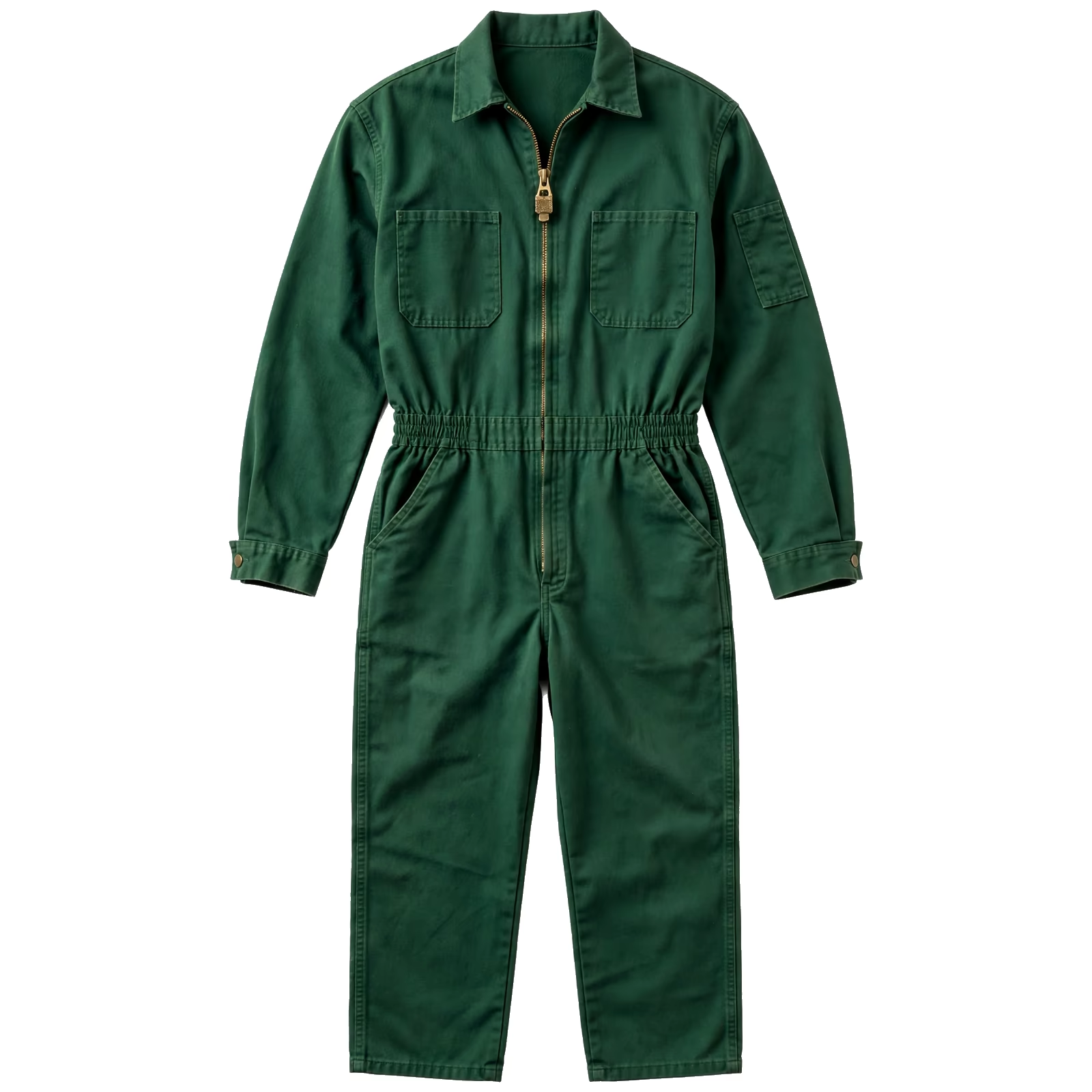
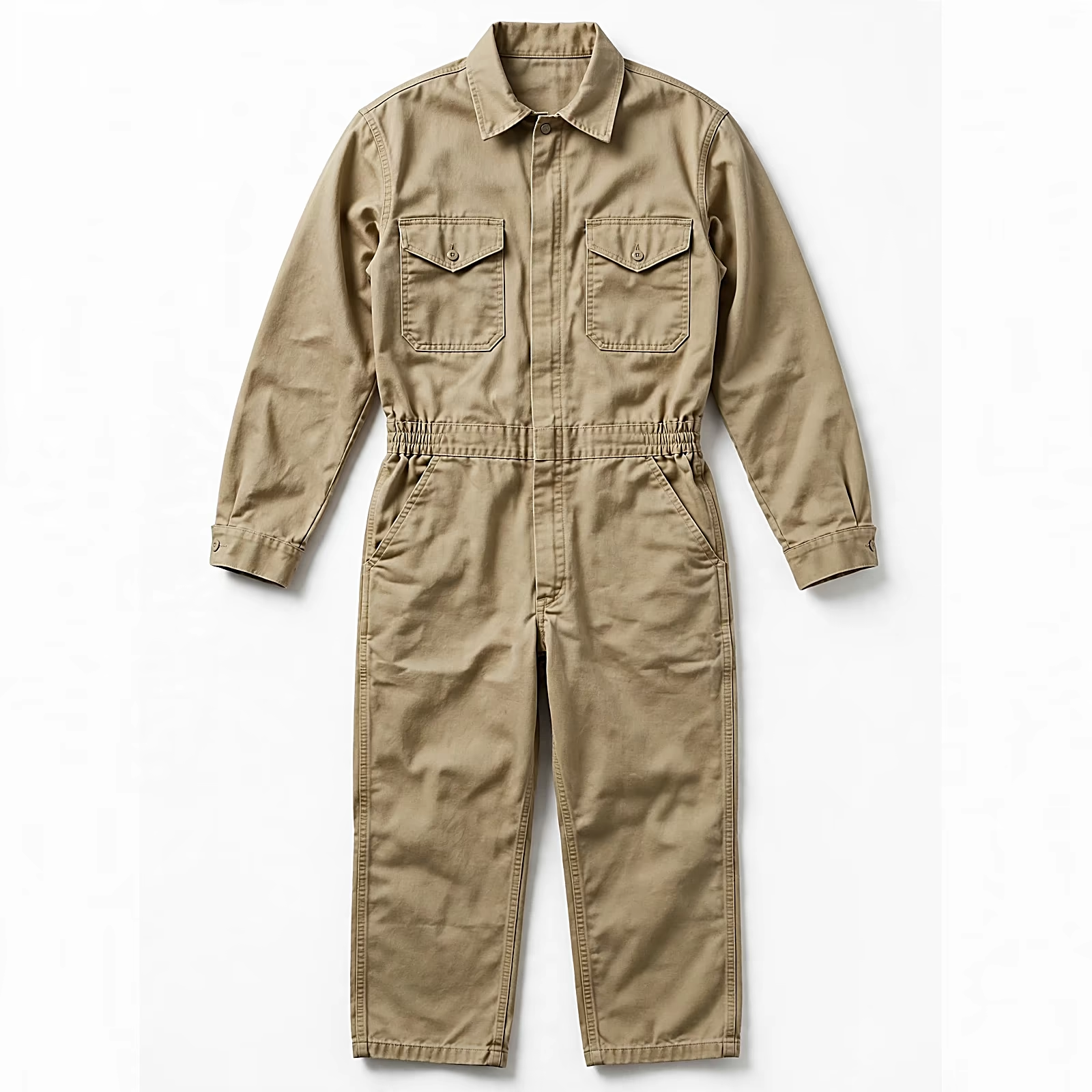
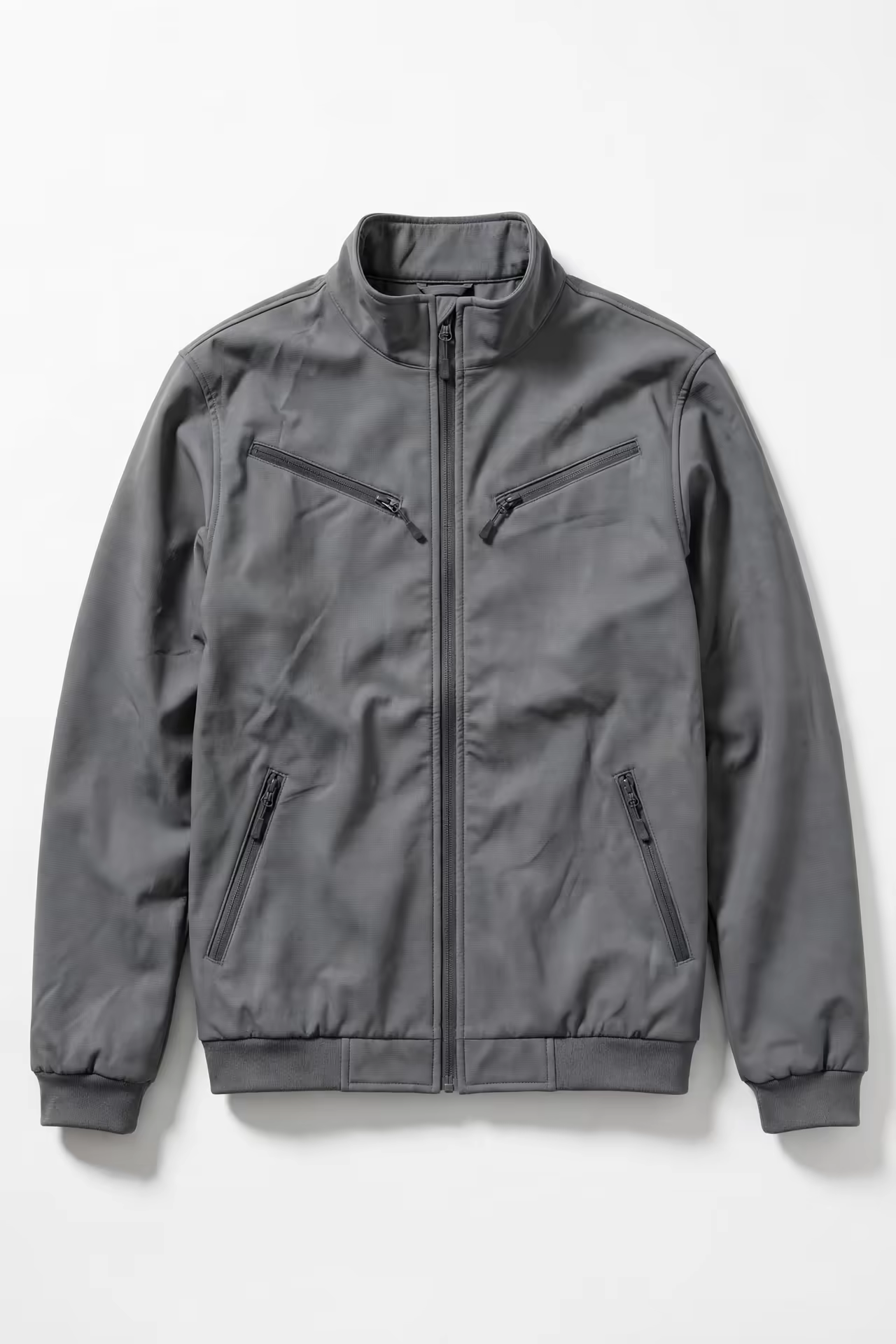
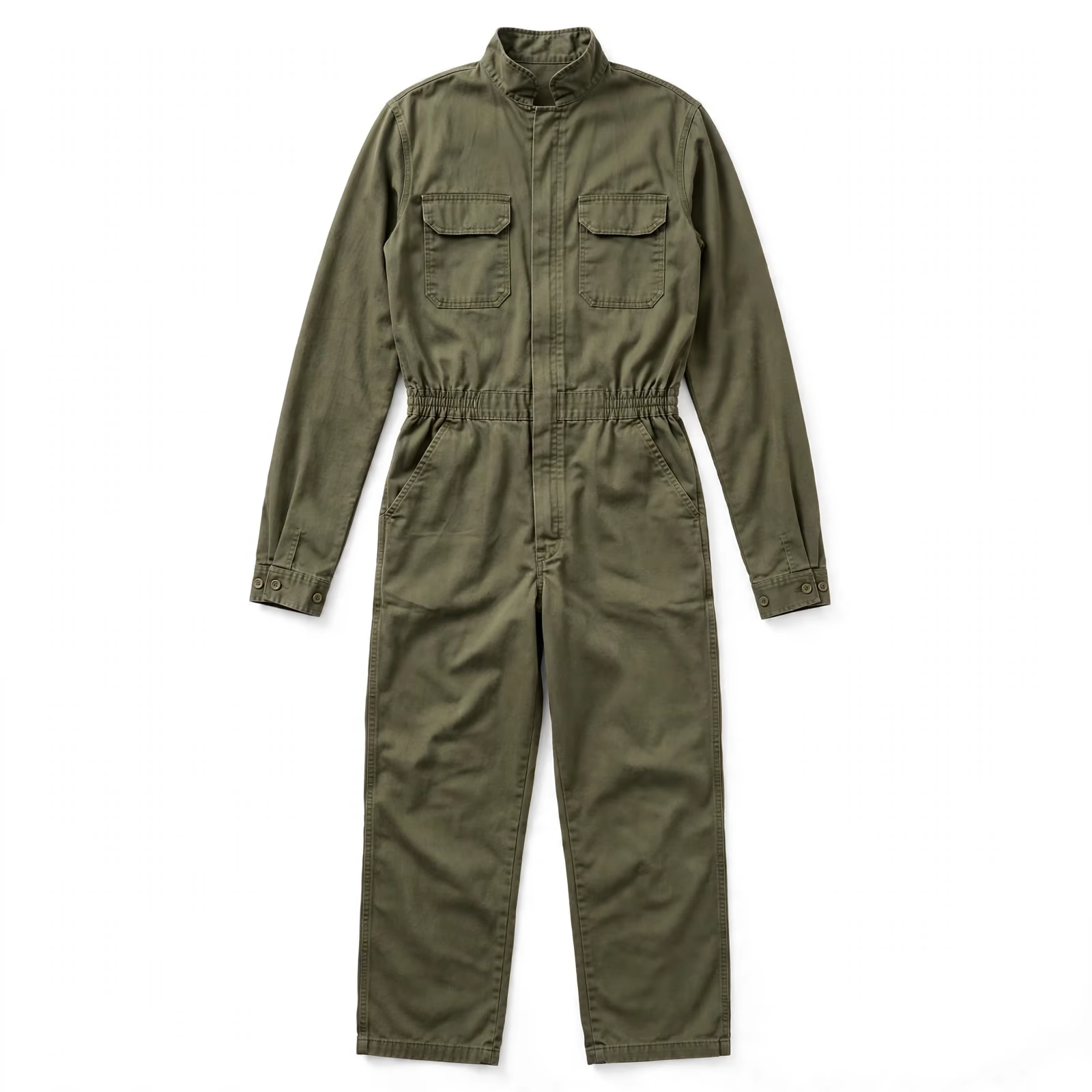
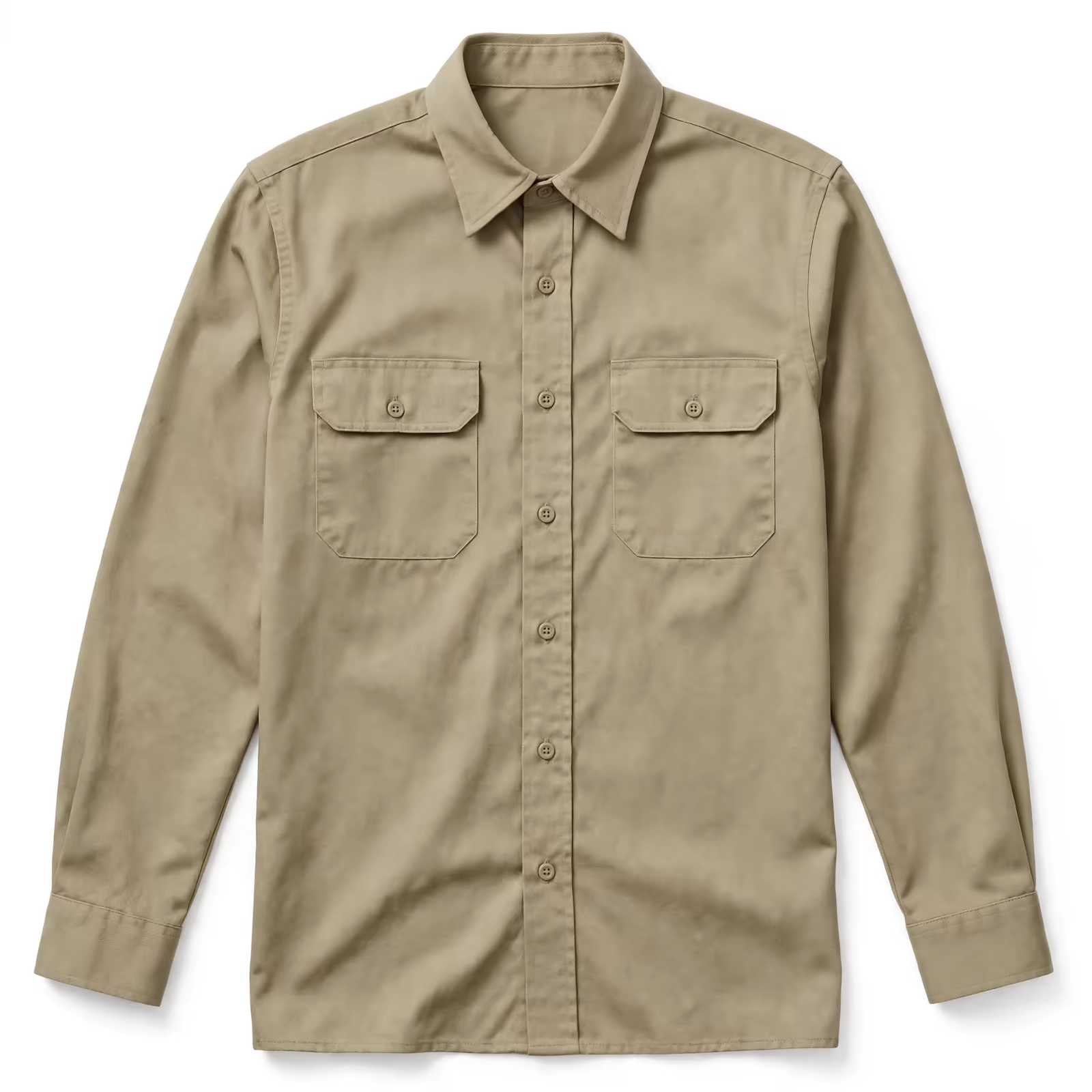
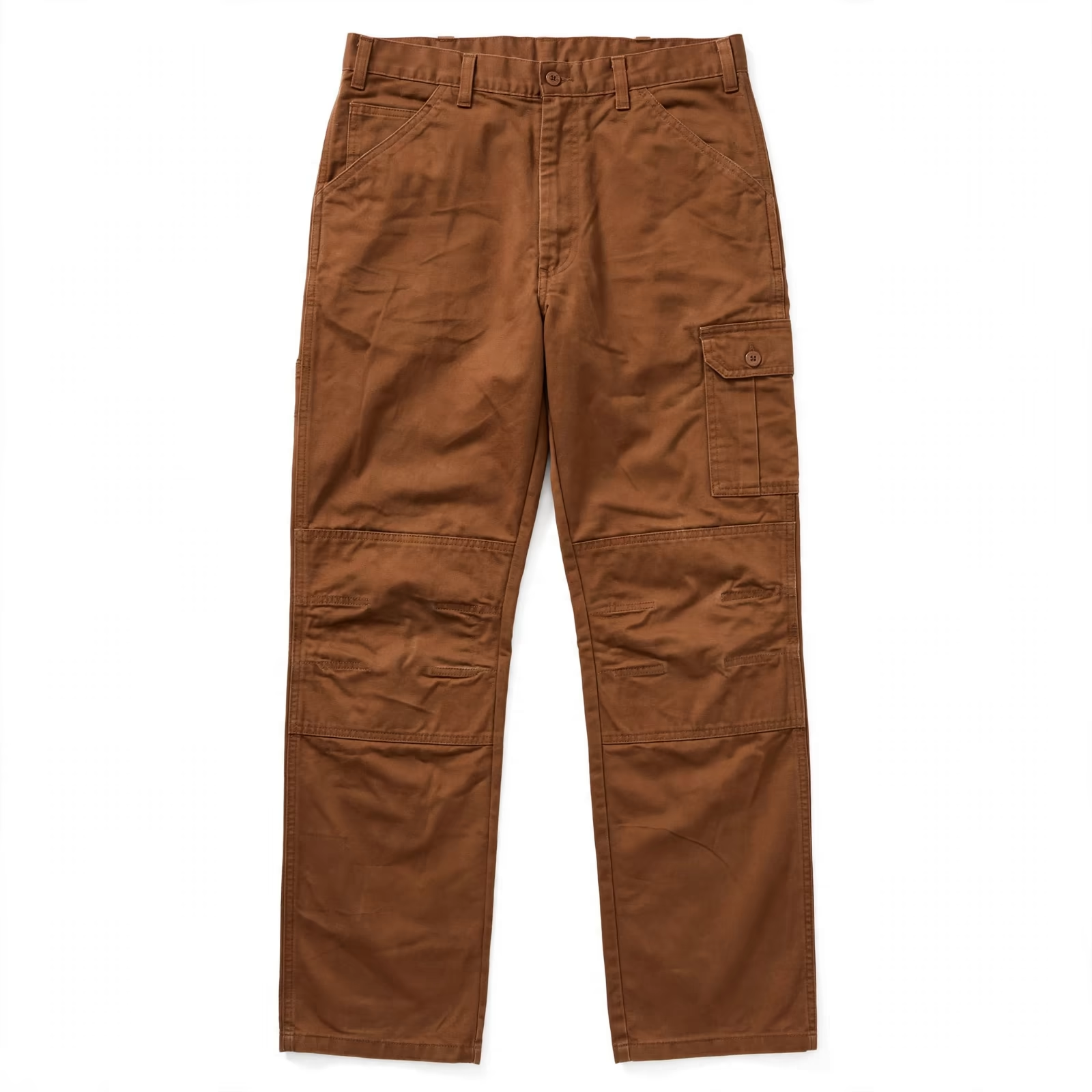
Siatex Bangladesh manufactures workwear in Bangladesh for industrial, construction, logistics and service buyers: coveralls, work trousers, work jackets, hi-vis clothing and bib overalls, built with reinforced construction and fabrics specified for industrial laundry life.
Reinforced Construction: Where Workwear Earns Its Life
Workwear fails at known points, and those points are built differently:
- Triple stitched main seams on trousers, coveralls and jackets
- Bar tack reinforcement at pockets, flies, belt loops and stress corners
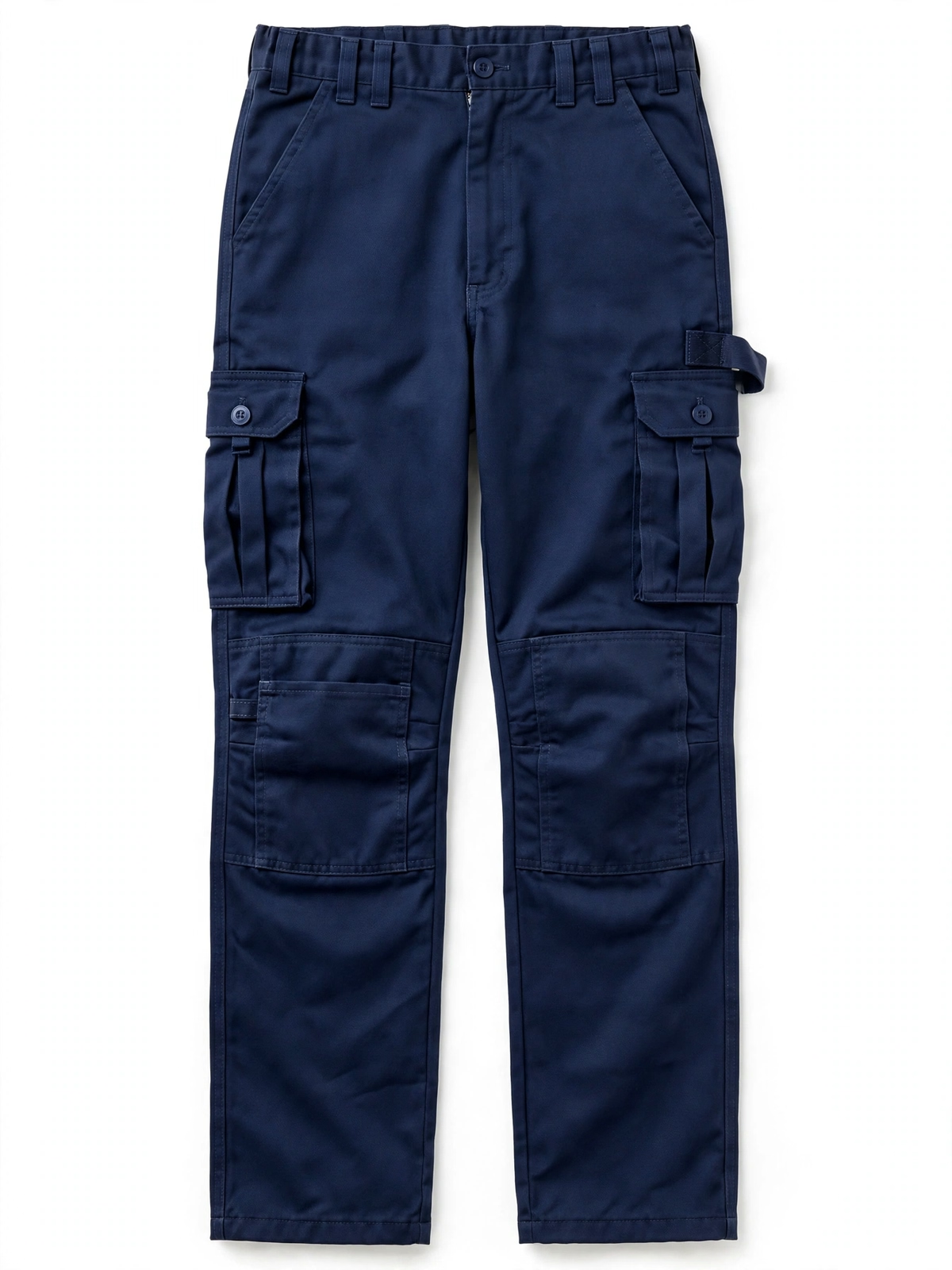
- Reinforced knee panels, with knee pad pockets on trade trousers
- Heavy duty zips and metal closures cycle tested before approval
- Crotch gussets and action backs where the trade’s movement demands them
- Seam allowances and stitch density set above fashion garment standards
Our workwear coverall manufacturer Bangladesh programme is the reference construction: the same reinforcement map runs through the trousers and jackets built to work beside it.
Workwear Fabrics: Twill, Canvas and Ripstop
- Poly cotton twills in industrial weights for general workwear
- Cotton canvas for heavy trades and workshop clothing
- Ripstop fabrics for light, strong outdoor work clothing
- Flame resistant treated options where the buyer’s risk assessment requires them
- High visibility fluorescent fabrics with reflective tape systems
- Softshell and fleece layers for cold site and warehouse work
Fabric weight is quoted with every costing. In workwear, weight is life: a lighter fabric is a shorter garment life, and buyers comparing quotations deserve to see the number.
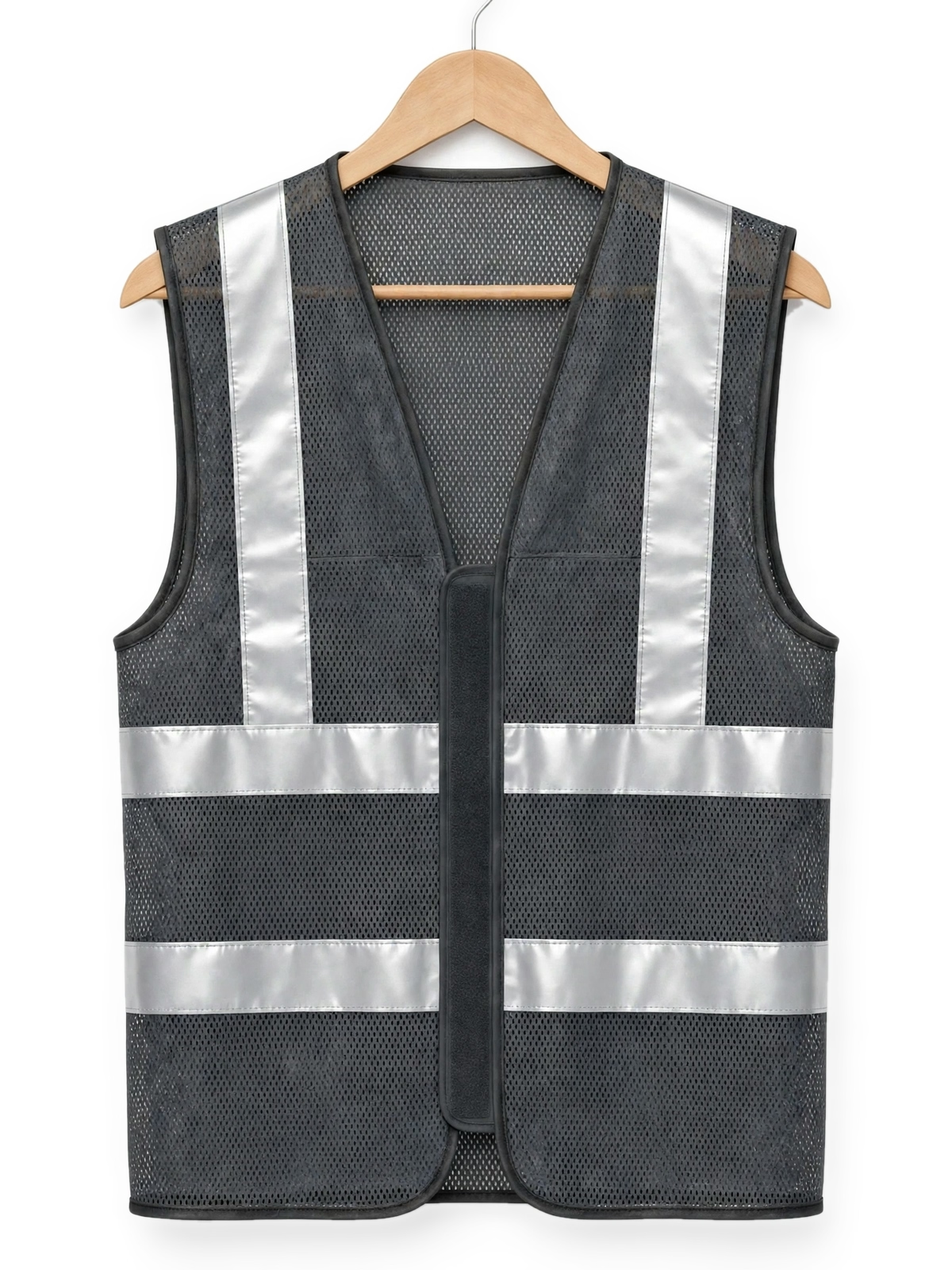
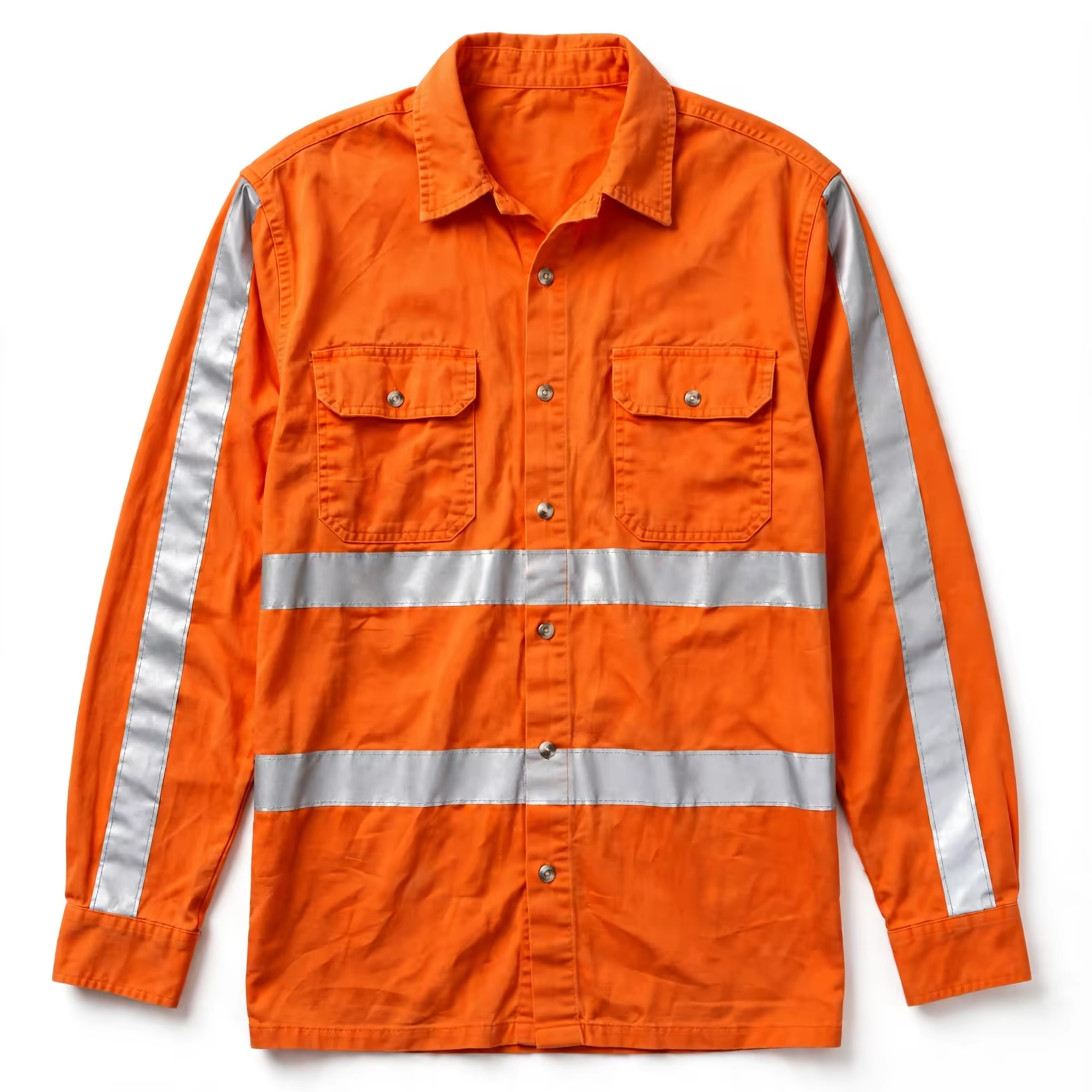
Hi-Vis Clothing: Visibility Built to the Buyer’s Standard
High visibility garments are built to the standard the buyer’s industry and country specify. Construction covers:
- Fluorescent background fabrics in yellow and orange programmes
- Reflective tape placed to the pattern the specified standard requires
- Tape quality and wash life tested, since tape fails before fabric does
- Hi-vis vests, jackets, trousers and coveralls as coordinated ranges
- Combined hi-vis and weatherproof styles for outdoor crews
Our hi vis workwear manufacturer Bangladesh lines are sampled with the buyer’s compliance documentation in hand, so the approved sample is the garment the audit will measure.
Coveralls and Bib Overalls: The One Piece Workhorses
Coveralls and bib overalls carry the heaviest use in the workwear family. Construction concentrates on the closure system, the shoulder and seat seams, and access pockets that work with gloves on. A coverall is also the garment most often worn over other clothing, so sizing and ease are patterned for layering rather than fitted to the body.
- Two way front zips with storm protection on coveralls
- Elasticated backs and action shoulders for movement
- Rule pockets, tool loops and secure chest pockets
- Bib overall hardware in heavy metal with reinforced brace joins
- Cold weather lined coveralls for northern programmes
Industrial Laundry: The Test Workwear Must Survive
Most workwear is laundered industrially at high temperatures with aggressive chemistry. The specification is set for that cycle, and tested at it:
Rental laundry is the hidden customer in this trade. The laundry’s machines, chemistry and handling decide how long a garment lives as surely as the wearer’s work does, which is why our fabric and trim approvals are run through wash cycles that imitate rental conditions rather than domestic ones.
- Colourfastness and shrinkage tested at industrial wash temperatures
- Reflective tape wash life tested and recorded per programme
- Buttons, zips and snaps chosen for laundry machinery survival
- Barcodes and rental laundry markings applied where buyers run rental systems
- Repair friendly construction, because rental fleets mend rather than discard
Workwear Exporter From Bangladesh to Industrial Markets
Workwear Supplier for German Industrial and Trade Buyers
German buyers specify workwear like equipment: fabric weights, stitch standards and compliance documents written into the order. Trousers with knee pad pockets and coordinated jackets are the core of these programmes.
Workwear Manufacturer for UK Construction and Logistics Programmes
UK buyers take hi-vis ranges, work trousers and coveralls for construction, warehousing and transport fleets, with company branding embroidered or printed at production.
Workwear Exporter Serving USA, Canadian and Australian Buyers
USA and Australian buyers run trade and service workwear in volume; Canadian programmes add insulated and lined styles for winter site work. All are built to the same reinforcement standard with climate specific fabrics.
Branding Workwear Without Weakening It
Company logos on workwear are embroidered or heat applied at positions that do not cut across reflective tape or reinforcement. Name badges, department marks and rental barcodes are applied in the same production pass, so a garment arrives ready to issue to a named employee.
Branding durability is tested with the garment: an embroidered logo that frays at thirty washes on a garment built for a hundred is a specification failure, so thread quality and stitch density for branding are set to the garment’s own wash standard, not to a decorative one.
Work Trousers and Jackets as Coordinated Sets
Most industrial buyers purchase workwear as sets: trousers and jackets that share fabric, colour and branding, replaced on the same cycle. Sets are produced and colour matched together so a new jacket does not meet last year’s trousers in a different shade.
- Trade trousers with holster and knee pad pockets
- Work jackets with action backs and storm cuffs
- Softshell and fleece mid layers in programme colours
- Colour standards retained across the whole set’s life
- Mixed deliveries packed by wearer or department on request
Our private label clothing manufacturer service carries the buyer’s branding across the full set, trousers included, which is where many programmes quietly lose consistency.
Women’s Workwear: Patterned for Women, Built to the Same Standard
Women’s workwear is cut on women’s blocks with the same reinforcement map as the men’s range: shaped waists that still carry tool belts, hi-vis patterns placed for a woman’s frame, and coverall closures designed for practical use.
- Women’s work trousers, jackets and coveralls in full size runs
- Hi-vis ranges patterned for women, not resized men’s garments
- Maternity workwear options on established programmes
- The same fabric weights and stitch standards across both ranges
How Workwear Programmes Are Tendered and Renewed
Industrial workwear is often bought on contract. We support the full cycle:
- Specification documents answered with construction evidence
- Wear trial samples produced for the buyer’s own site testing
- Wash life data supplied from programme testing
- Fault records and corrections filed openly for renewal reviews
- Price breakdowns by component for contract requotes
A wear trial is the honest test of workwear: garments on real workers, on a real site, through the real laundry. We welcome it, because construction built for the trial is construction built for the contract.
Workwear by Working Environment: Cold, Wet and Dirty
The right workwear starts from the environment, not the catalogue:
- Cold sites and cold stores: insulated coveralls and jackets, fleece layers, closures that work in gloves
- Wet outdoor work: waterproof and hi-vis combined garments with taped seams
- Dirty trades: dark, stain hiding colours, fabrics that release oil in the wash, repair friendly construction
- Clean environments: smooth fabrics that shed lint, covered closures, light colours that show contamination
- Hot work: breathable weights and vented constructions, with FR options where risk requires
Buyers describe the site; we propose the build. That order of conversation produces workwear that crews actually wear, which is also a safety outcome: protective clothing left in the locker protects nobody.
Repairs, Spares and Rental Fleet Support
Workwear programmes run for years, and support is part of the supply:
- Spare buttons, zips and tape supplied with programme shipments
- Repair panels and fabric supplied to rental laundry workshops
- Size exchange stock planned into fleet programmes
- Replacement garments produced singly against the programme file
A torn knee in month two should cost a repair, not a garment. Construction that can be mended, and a supplier who supports the mending, is where the cost per wear advantage is actually banked.
Sizing and Issuing a Whole Workforce
Workwear sizing is logistics as much as pattern making. A workforce order covers every body in the company, and the size curve rarely matches a retail split:
- Size runs planned with the buyer’s actual staff profile
- Tall and short options on trousers and coveralls
- Measuring guidance supplied for remote and multi site buyers
- Deliveries sorted and labelled by site, department or wearer
- Exchange sizes built into fleet programme planning
Getting the curve right matters commercially: the wrong split leaves a warehouse of small sizes and a crew of large workers in last year’s kit. Our programme planning starts from the buyer’s workforce data for exactly that reason.
Workwear Manufacturing Specification at a Glance
| Styles | Coveralls, work trousers, jackets, hi-vis ranges, bib overalls |
| Fabrics | Poly cotton twill, canvas, ripstop, hi-vis fluorescent, FR options |
| Construction | Triple stitching, bar tacks, reinforced knees, heavy closures |
| Visibility | Reflective tape systems to the buyer’s specified standard |
| Laundry | Specified and tested for industrial washing life |
| Export markets | Germany, UK, USA, Canada, Australia, Netherlands, France |
Questions Workwear Buyers Ask This Bangladesh Manufacturer
How do German buyers verify workwear construction quality?
Against the written specification: stitch density, fabric weight and reinforcement points are measured on production samples, and the results are recorded per order. The specification is the contract, and our inspection reports are written against it line by line. Buyers may also nominate their own inspection at final stage, and the same records are opened to it.
Does reflective tape survive industrial laundry?
Tape is the shortest lived part of a hi-vis garment, so its wash life is tested and recorded at programme setup. Buyers receive the tested cycle count and choose tape grades knowingly rather than discovering failure in service. Replacement tape and repair support are supplied for fleet programmes.
Can a UK logistics company brand its hi-vis range?
Yes. Logos are applied clear of tape zones and reinforcement, with placement drawings approved before production. Branded and unbranded garments in one range keep identical construction. Multi site companies can hold one branding standard across all depots, with deliveries labelled per site so distribution needs no sorting at arrival.
Do you make insulated coveralls for Canadian winter work?
Yes. Lined and insulated coveralls run with cold climate closures and hardware that works with gloves, sampled and tested for the buyer’s temperature range, with the results supplied alongside the sample.
What do Dutch buyers order from your workwear lines?
Logistics and port workwear, hi-vis ranges for transport fleets, and trade trousers with knee pad systems. Dutch buyers run sharp replenishment cycles through their ports and distribution centres, so programmes are planned with buffer sizes held against the file for fast top ups.
How does an Australian buyer start a workwear programme?
Send the garment list and the standards your industry works to through our contact page. We reply with fabric and construction proposals and costings per style, plus wash life evidence from comparable programmes.
Read More About Workwear Manufacturing in Bangladesh
Why is workwear bought on cost per wear, not price per piece?
Because the cheap garment that fails at forty washes costs more than the sound garment that lasts a hundred and forty. Industrial buyers learned to divide price by proven wash life; our testing exists so that division can be done with evidence at quotation stage, not with regret at replacement stage. The same arithmetic covers downtime: a crew waiting for replacement kit is a cost no invoice shows, and it belongs in the comparison too.
What makes hi-vis construction different from ordinary sewing?
The garment is a safety device with a pattern: background fabric area, tape placement and tape quality together decide whether it meets the buyer’s standard. Sewing it like a fashion garment in bright fabric produces clothing that looks visible and audits as ordinary. That is why hi-vis sampling starts from the buyer’s compliance document rather than from a photograph of a similar garment. The trade is organised nationally through the Bangladesh Garment Manufacturers and Exporters Association, where technical and industrial clothing is a growing specialisation.