
Knitwear Manufacturer in Bangladesh Knitting for German, UK and French Sweater Programmes
Knitwear is the category where the making shows most. A sweater is not cut from cloth; it is built stitch by stitch, and every fault in yarn, tension or linking stays visible for the life of the garment.
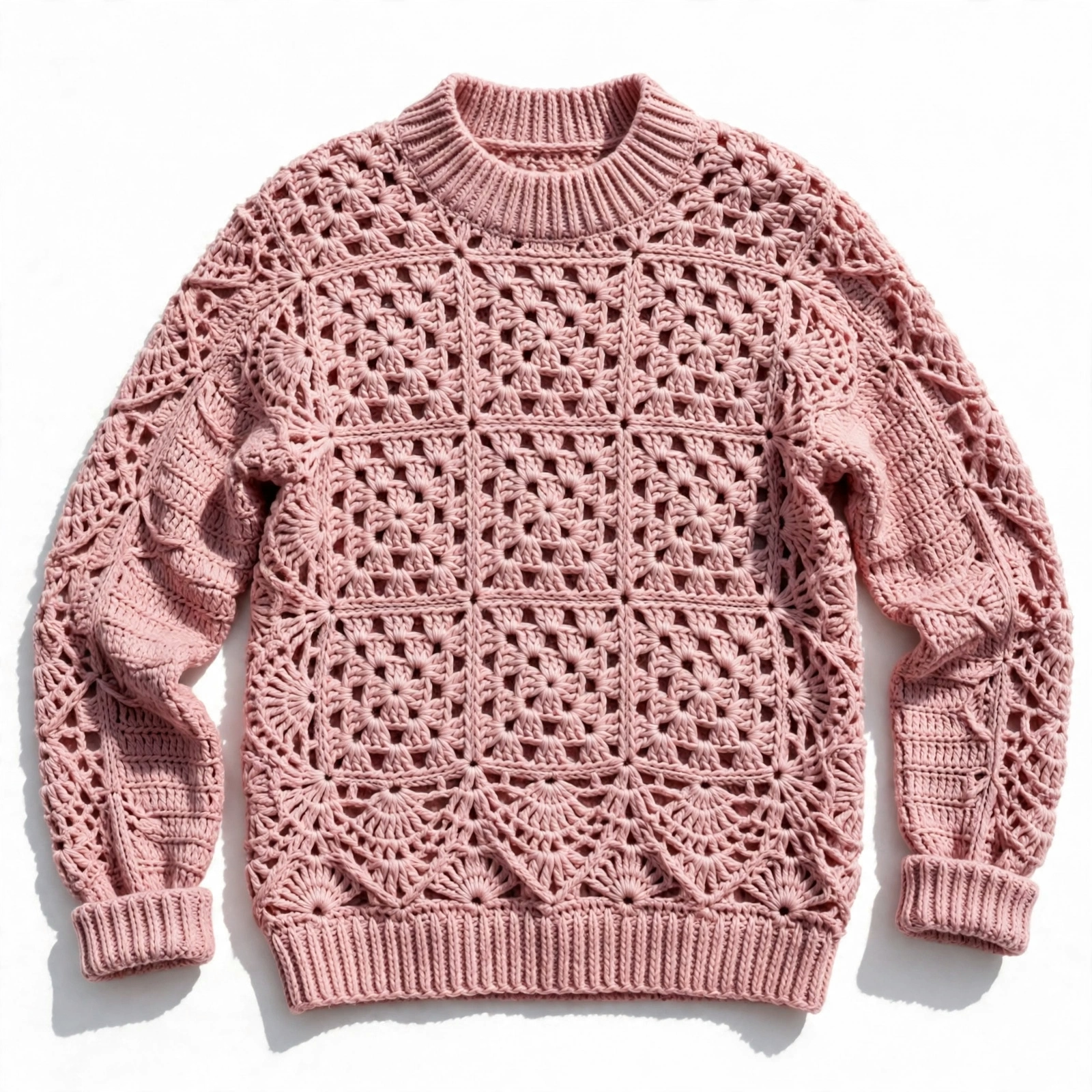
Siatex Bangladesh knits fully fashioned knitwear on flat knitting machines in Bangladesh, in gauges from chunky 3 to fine 14, and finishes every piece by hand linking and careful washing. Buyers who sell knitwear as a core category, not a sideline, are the buyers this unit is built for.
Gauges From 3 to 14: What Each Knitwear Gauge Is For
Gauge is the number of needles per inch, and it decides the weight, drape and price of the finished sweater. Matching gauge to style is the first technical conversation on any knitwear order:
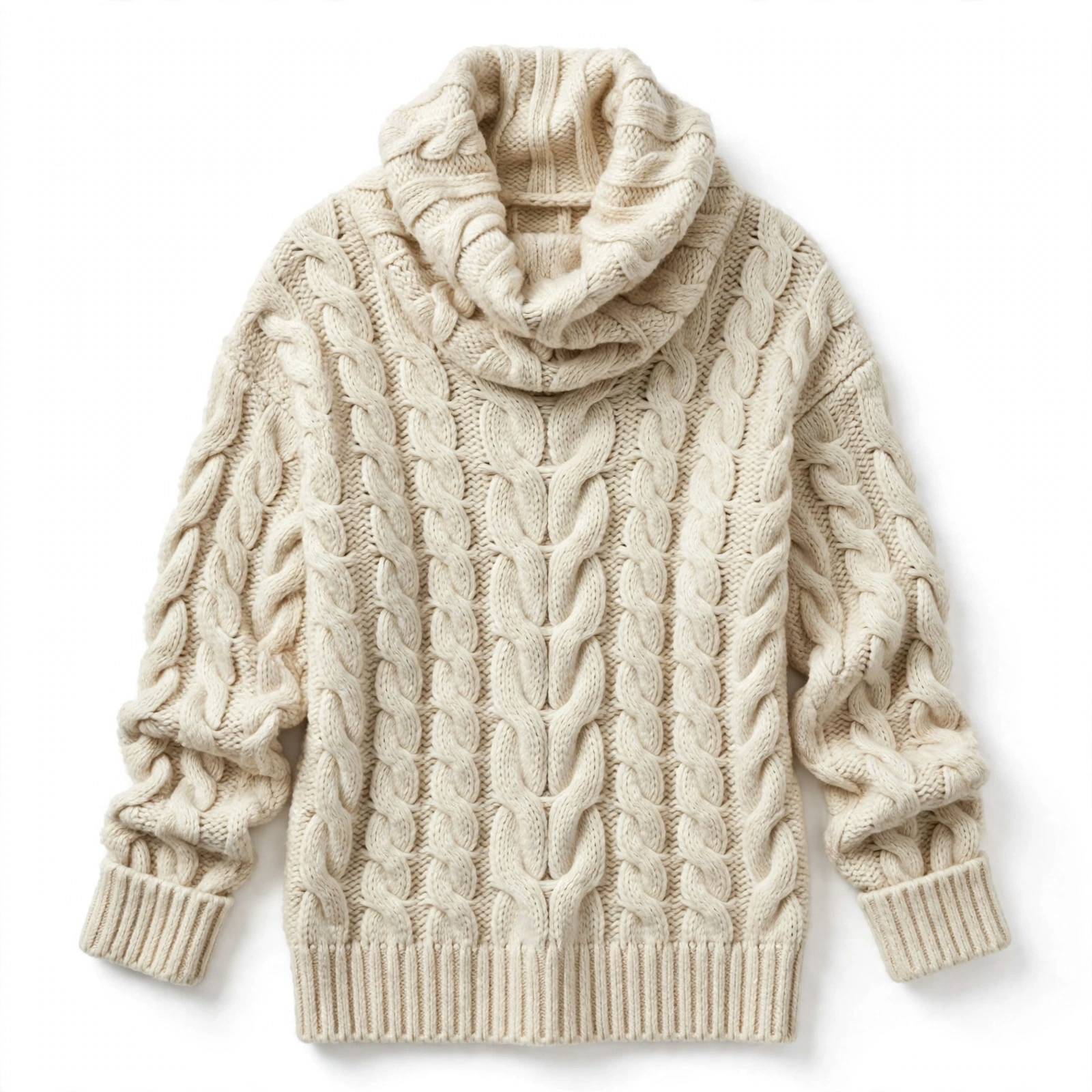
- 3 to 5 gauge: chunky knits, heavy cables, winter statement pieces
- 7 gauge: mid weight sweaters, textured stitches, relaxed fits
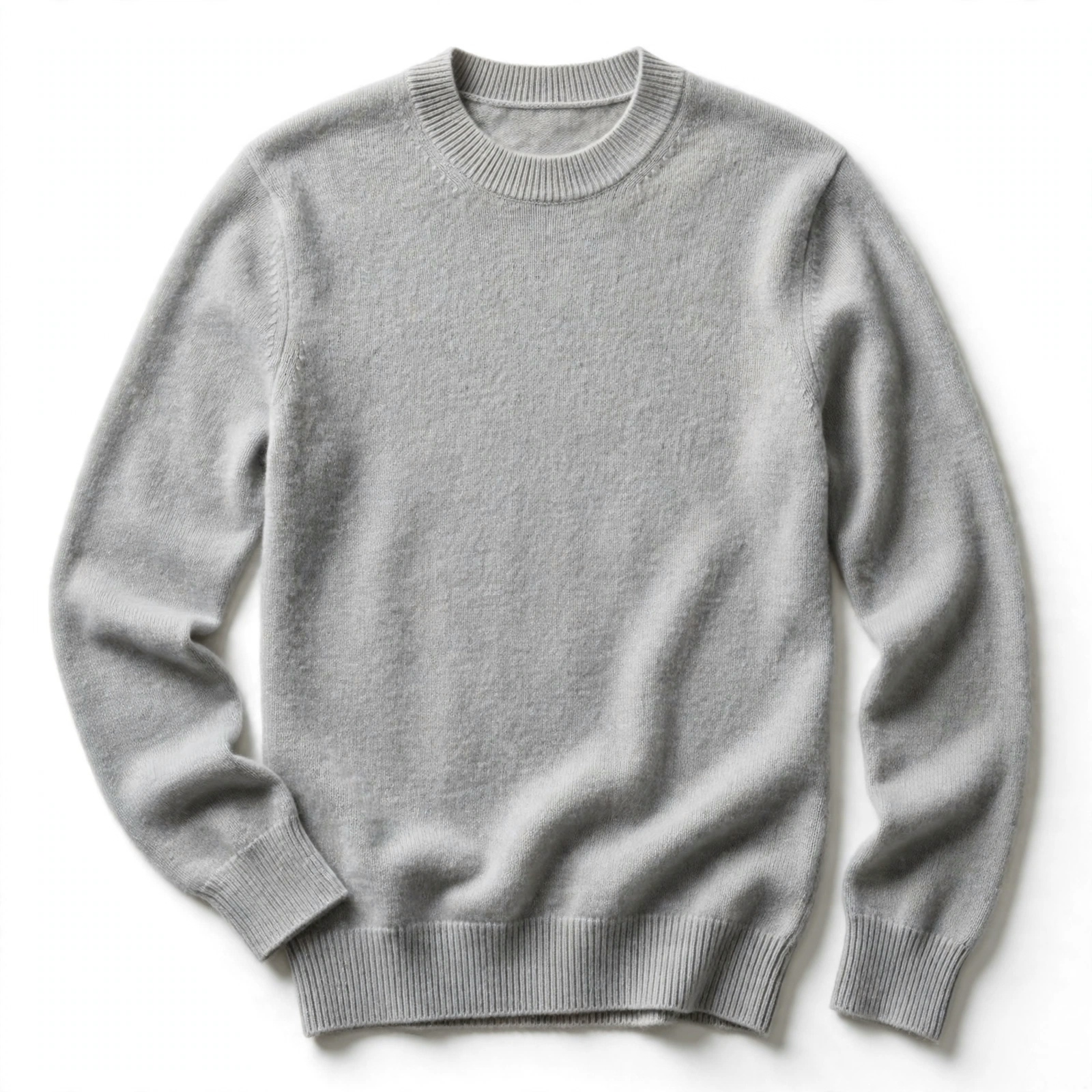
- 10 to 12 gauge: classic fine knit sweaters, cardigans and twinsets
- 14 gauge: lightweight layering pieces and fine ladies knitwear
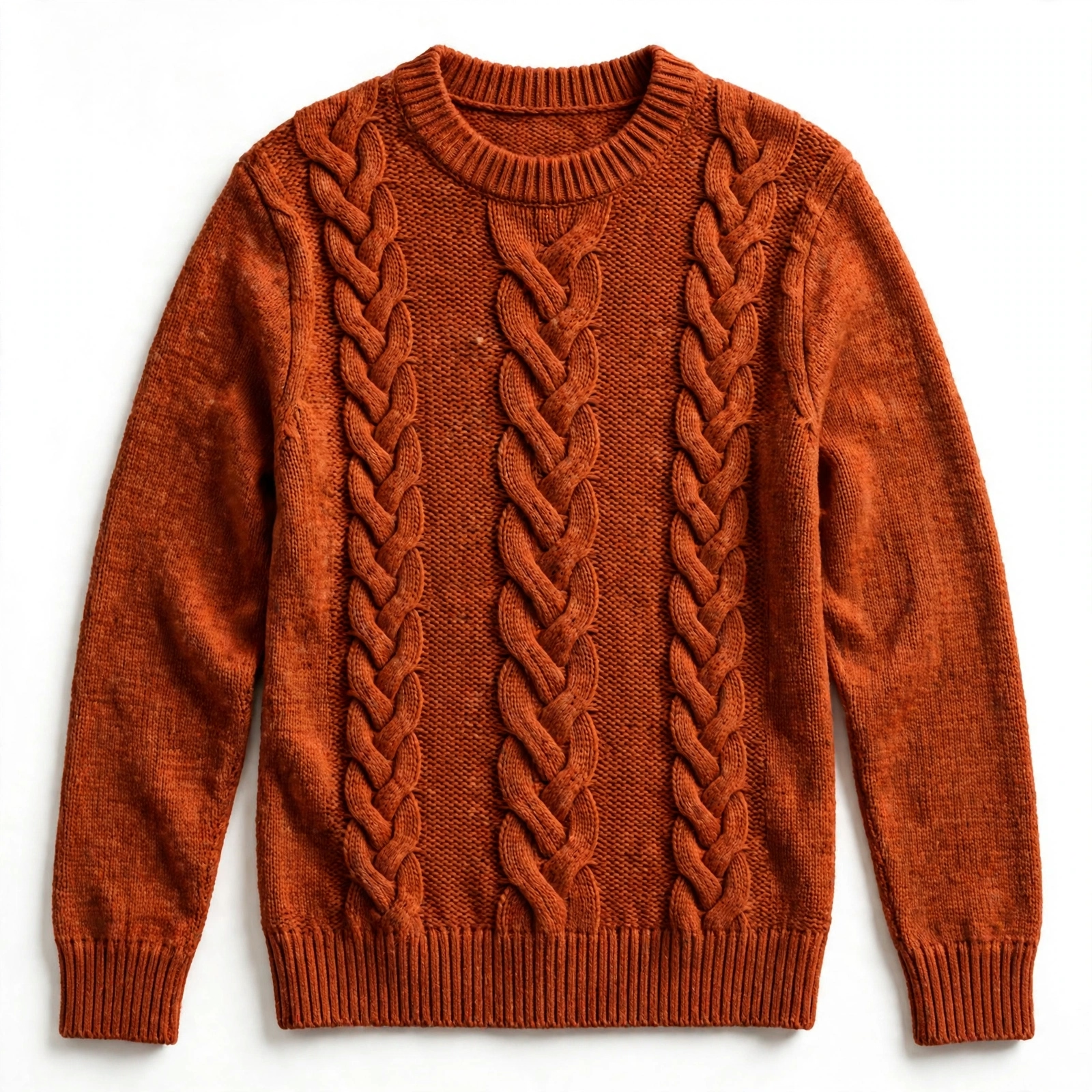
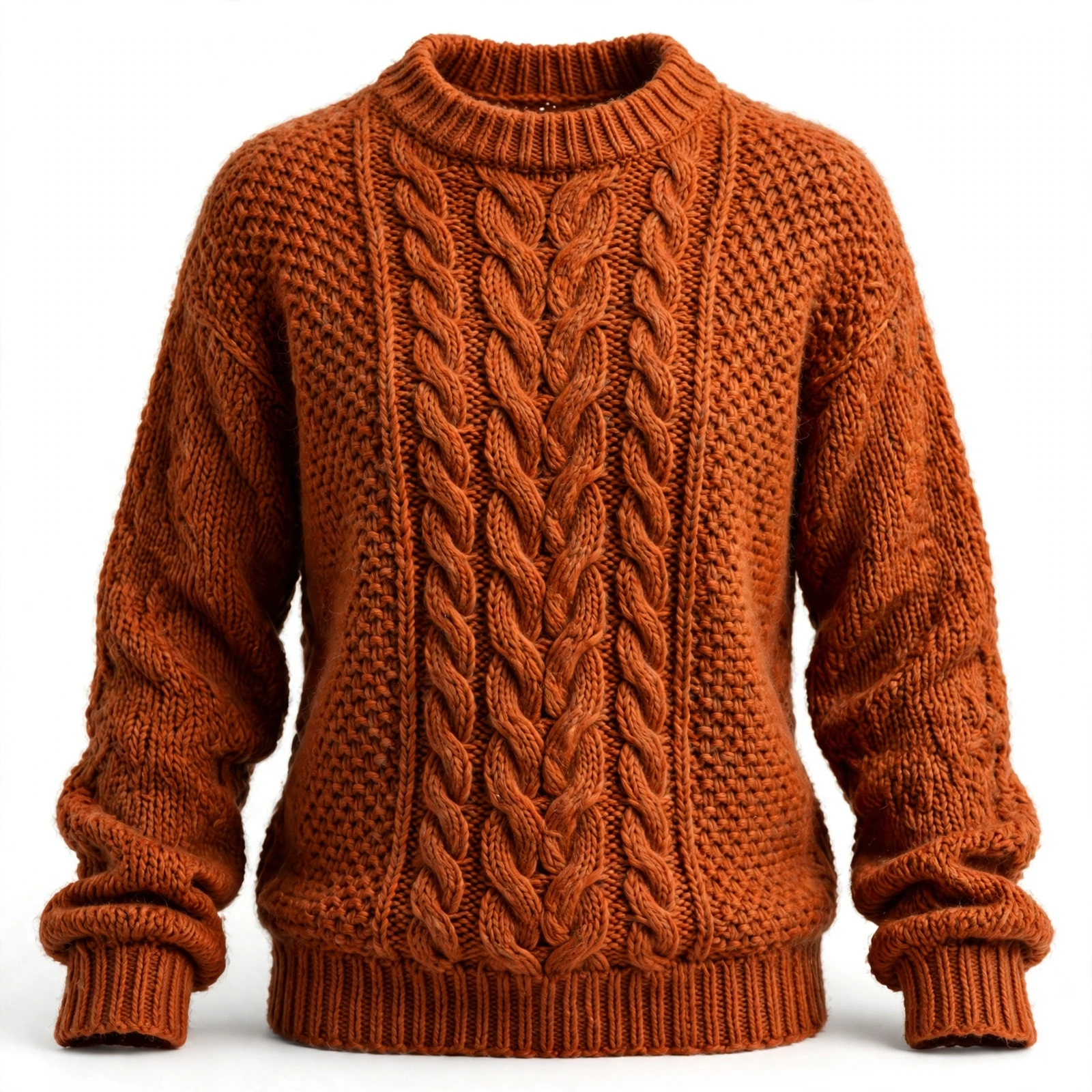
Our cable knit sweater manufacturer Bangladesh styles run at the heavier gauges, where stitch definition decides whether the pattern looks rich or flat. Fine gauge work goes to buyers building layering ranges for spring and early autumn.
Yarns Our Knitwear Supplier Books for Sweater Programmes
- 100% cotton yarns for breathable spring and summer knitwear
- Acrylic and acrylic blends for colour depth and easy care
- Wool blends for warmth with shape retention
- Merino wool for premium fine gauge programmes
- Cashmere blends for high value capsule styles
- Fancy and melange yarns for textured seasonal looks
Yarn is booked against the approved lab dip and hand feel standard, and each delivery is checked for count and shade before it reaches the machines. Our merino wool sweater manufacturer Bangladesh programme shows the premium end of the same yarn discipline.
Stitch Structures: Cable, Jacquard, Intarsia and Pointelle
The stitch library is where a knitwear range gets its variety without changing yarn or gauge:
- Cable and aran patterns for classic winter sweaters
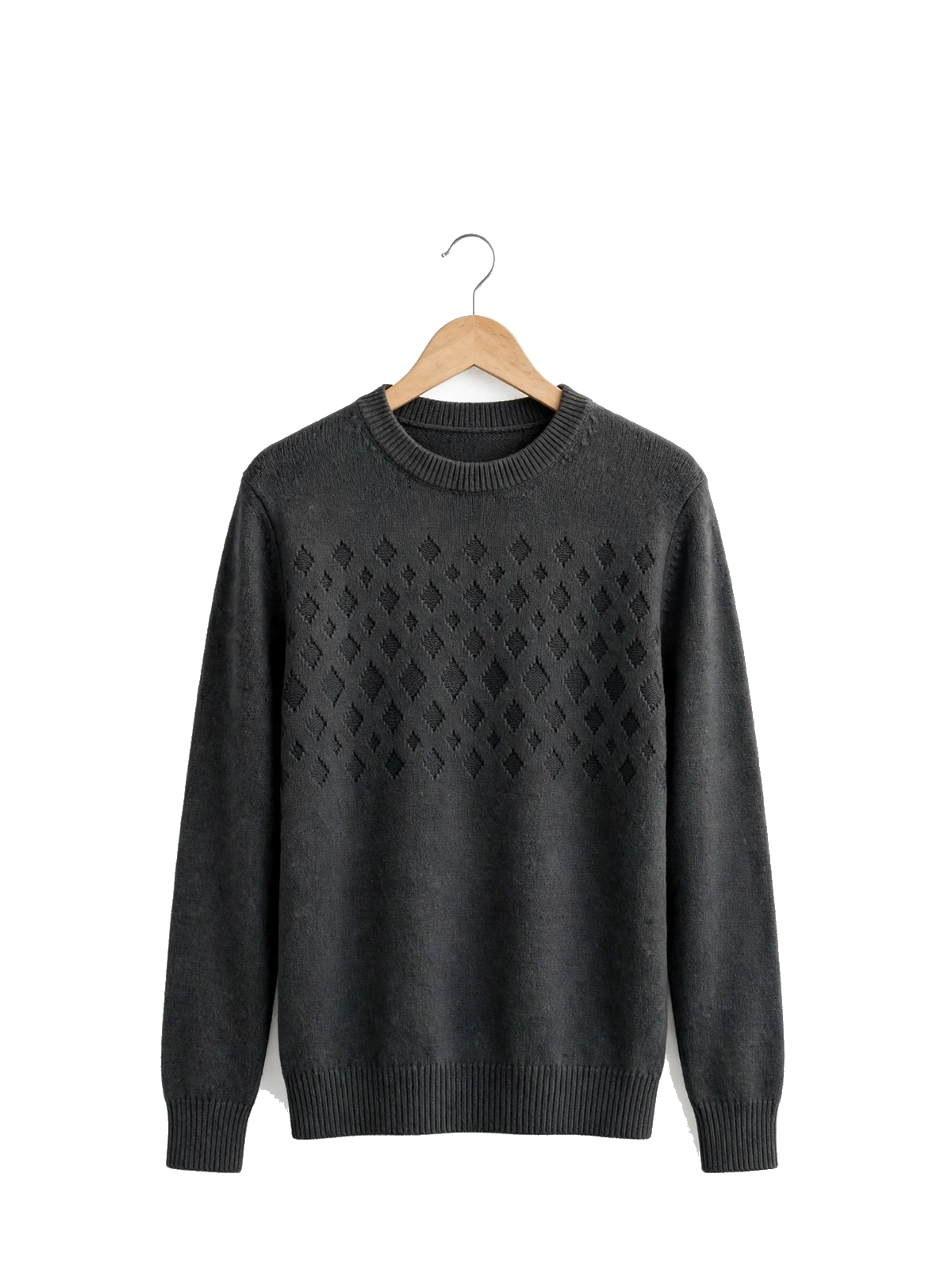
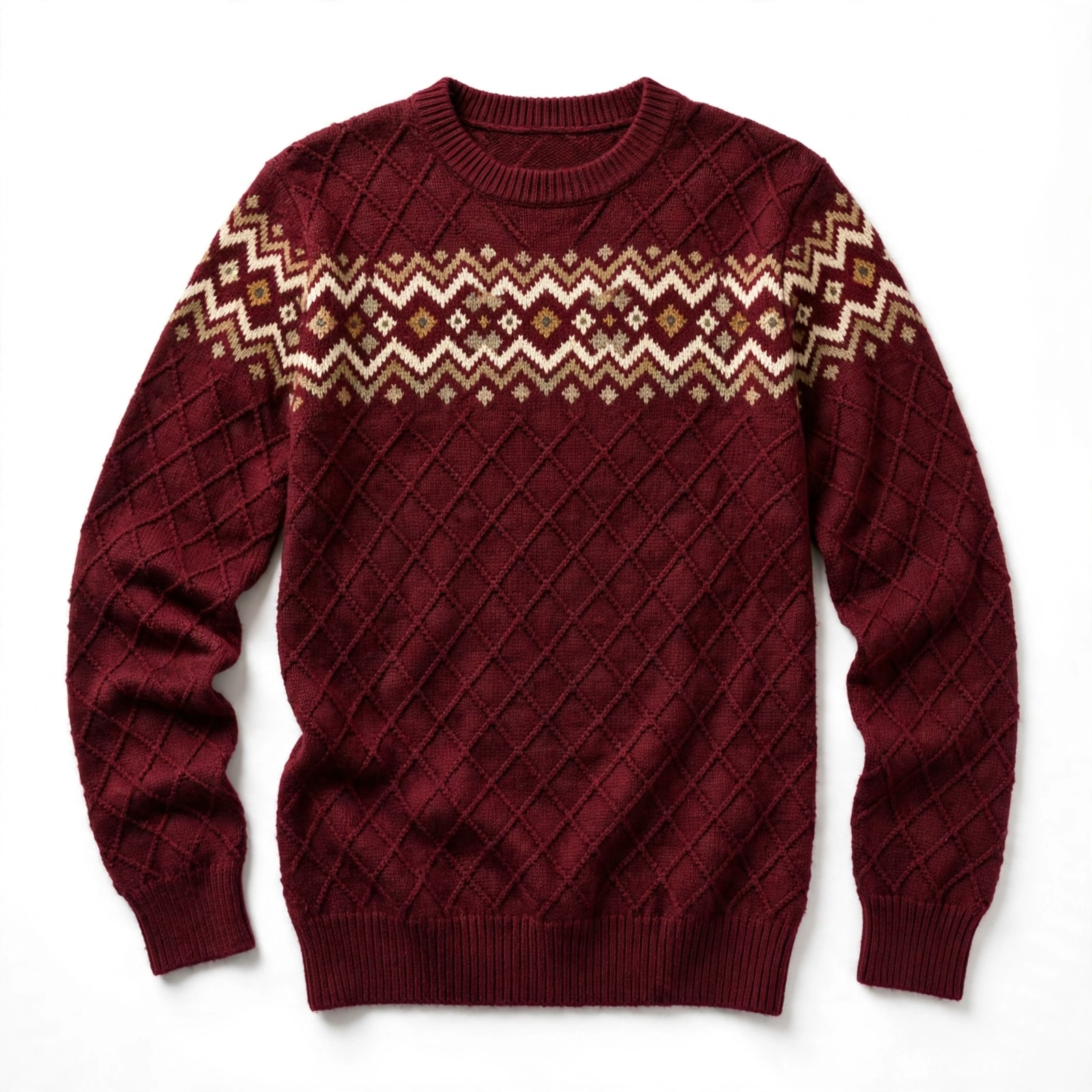
- Jacquard for multi colour patterns knitted into the fabric
- Intarsia for bold colour blocks and motif work
- Pointelle and lace stitches for ladies fine knitwear
- Rib, moss and textured stitches for surface interest in plain colours
- Stripes and colour blocking engineered into the panel, never printed on
Patterns are programmed and knitted as a trial panel first. The buyer approves the actual stitch at the actual gauge before a full garment is made, because a stitch chart on paper never shows true scale.
Fully Fashioned Knitting, Not Cut and Sew
There are two ways to make a sweater. The cheaper way knits plain fabric and cuts it like cloth, which wastes yarn and leaves seams that can unravel. We knit fully fashioned: each panel comes off the machine shaped, with the armhole, neck and sleeve formed in the knitting.
- Panels shaped in the machine, so fit follows the pattern exactly
- Fashioning marks visible at seams, the sign of genuine fully fashioned work
- Less yarn waste, which matters on wool and cashmere blends
- Seams linked loop to loop, flat and flexible like the knitting itself
Linking, Washing and Measurement Control in Knitwear
Knitwear finishing decides whether a sweater keeps its size. Linking joins panels stitch to stitch by hand guided machine work. Washing then relaxes the knitting to its final measurements, and every style is washed to the approved recipe before size approval.
- Loop to loop linking for flat, non bulky seams
- Wash recipes set per yarn, checked on production panels
- Measurements taken after washing, never before
- Blocking and pressing to the size chart before packing
- Anti pilling and softening finishes where the buyer specifies
Buyers in Japan, whose knitwear size tolerance is famously strict, audit this stage hardest, and it is the stage we invite them to audit.
Knitwear Categories in the Range
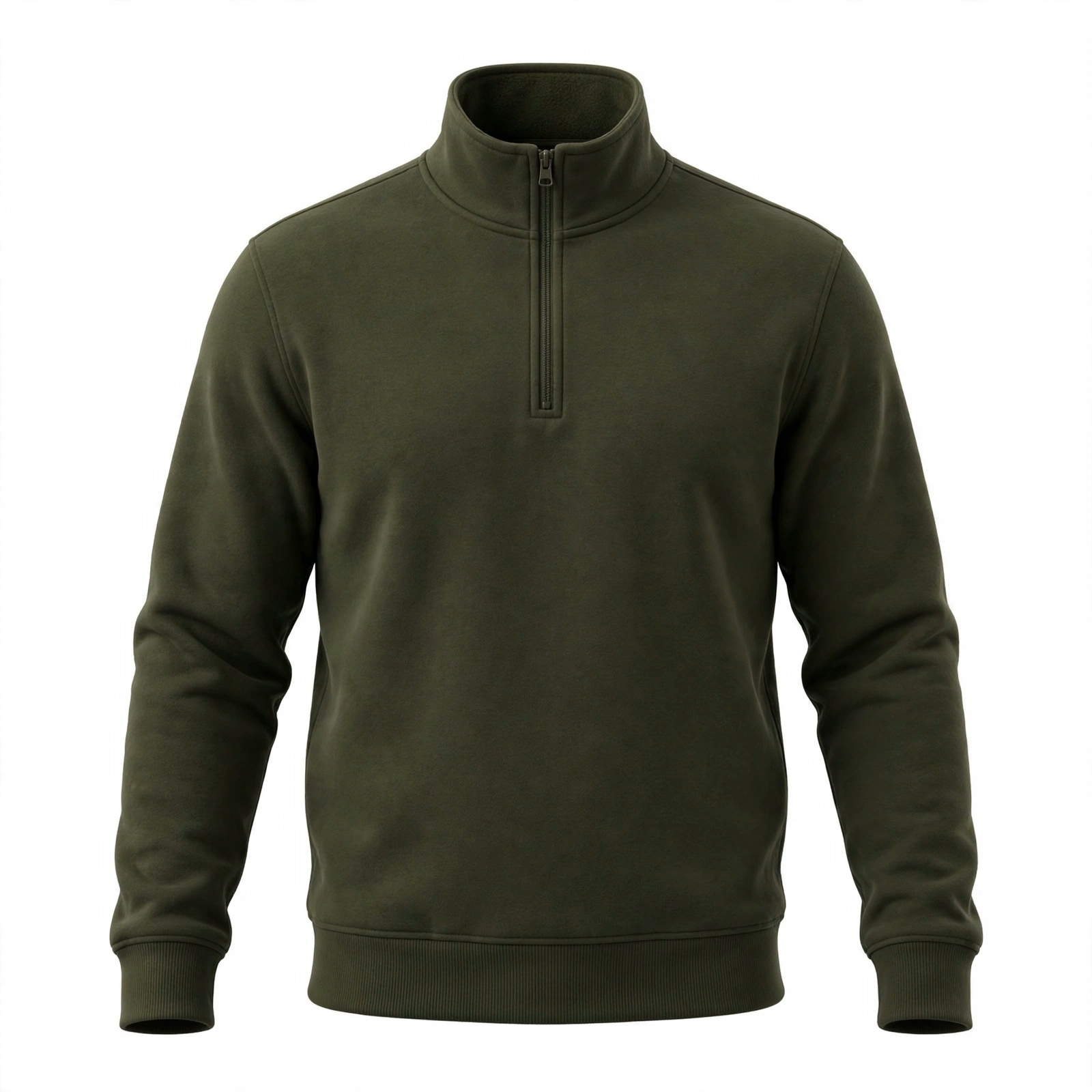
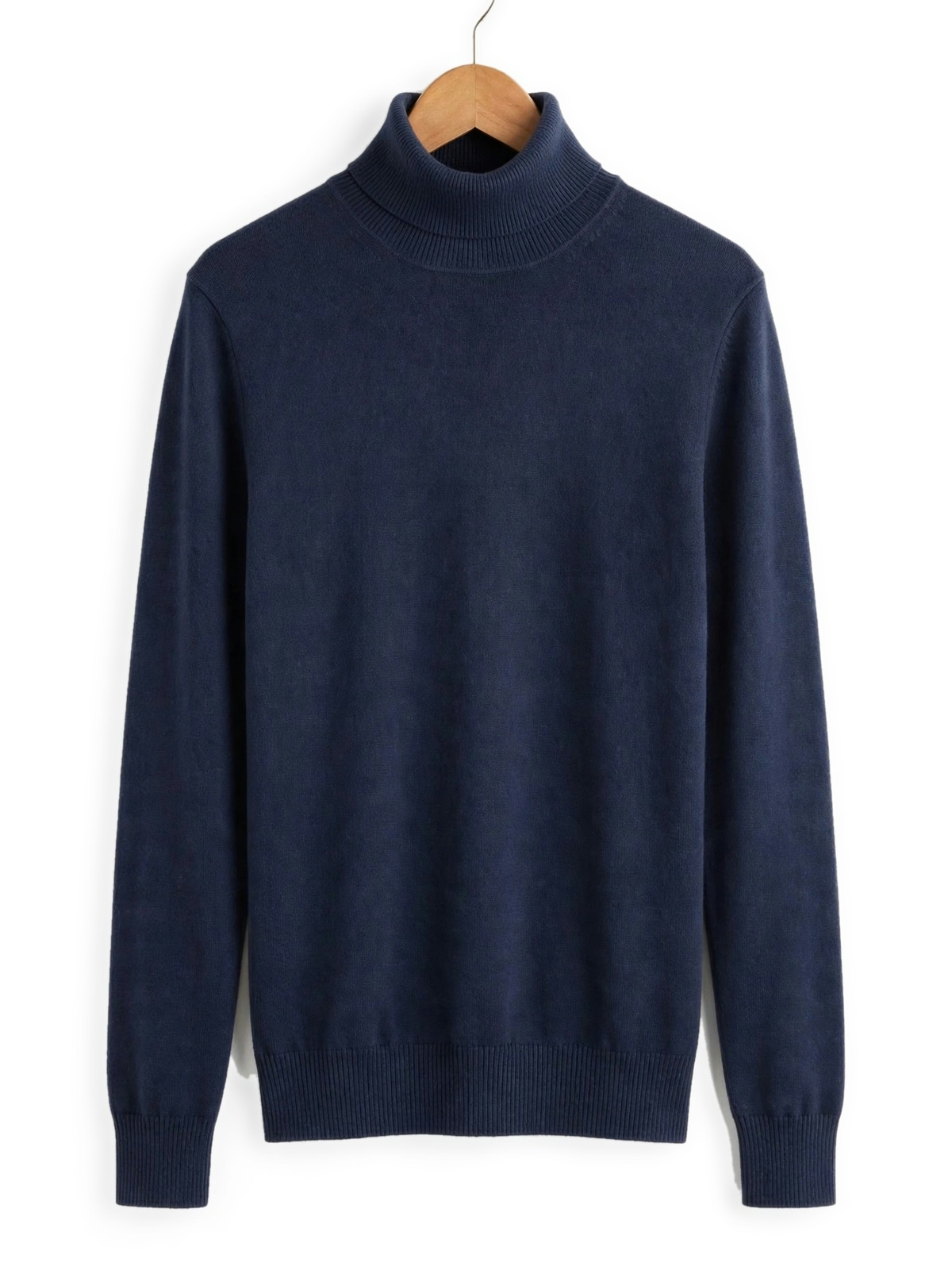
- Crew neck, V-neck, turtleneck and mock neck sweaters
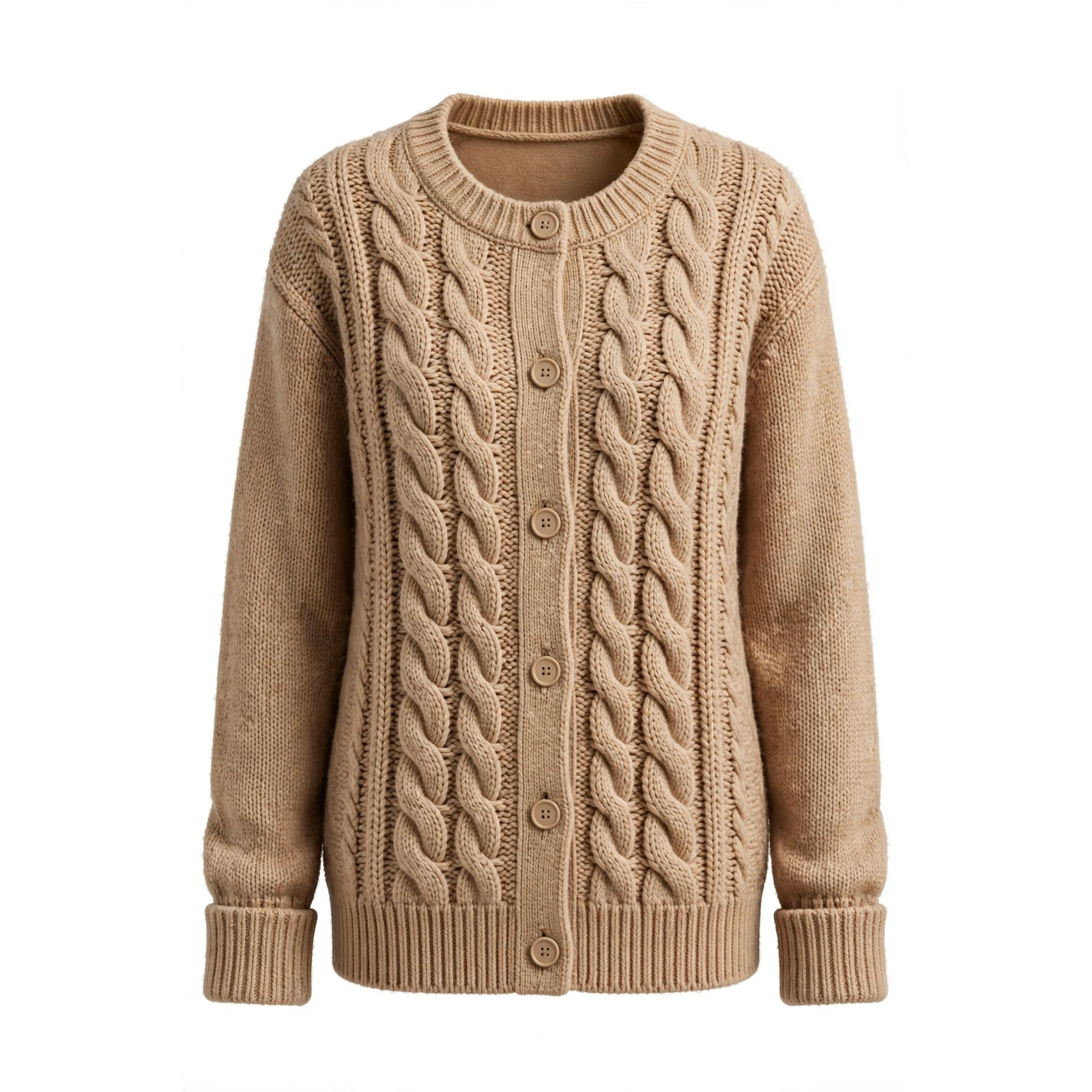
- Cardigans in button, zip and open front styles
- Sweater vests and sleeveless knits
- Ponchos, wraps and knitted scarves sets
- Children’s knitwear in soft yarns
- Festive and novelty jumpers for seasonal programmes
The womens knit cardigan manufacturer Bangladesh styles are among the most repeated: a good cardigan pattern, once approved, runs for years across colours and yarns.
Knitwear Exporter From Bangladesh to Sweater Buying Markets
Knitwear Supplier for German and UK Winter Programmes
Germany and the UK take the heaviest knitwear volume: mid and chunky gauges for winter retail, booked early so yarn and machine time are secured before the season’s rush.
Knitwear Manufacturer for French and Italian Style Led Labels
French labels buy finer gauges and more stitch detail: pointelle, fine ribs and shaped silhouettes. Development panels move back and forth until the stitch sits exactly as the designer intended.
Knitwear Exporter Serving USA and Japanese Buyers
USA buyers run wide colour ranges on proven styles. Japanese buyers order smaller quantities with the tightest measurement discipline we work to, and both are served from the same knitting floor.
Private Label Knitwear With Your Brand in the Back Neck
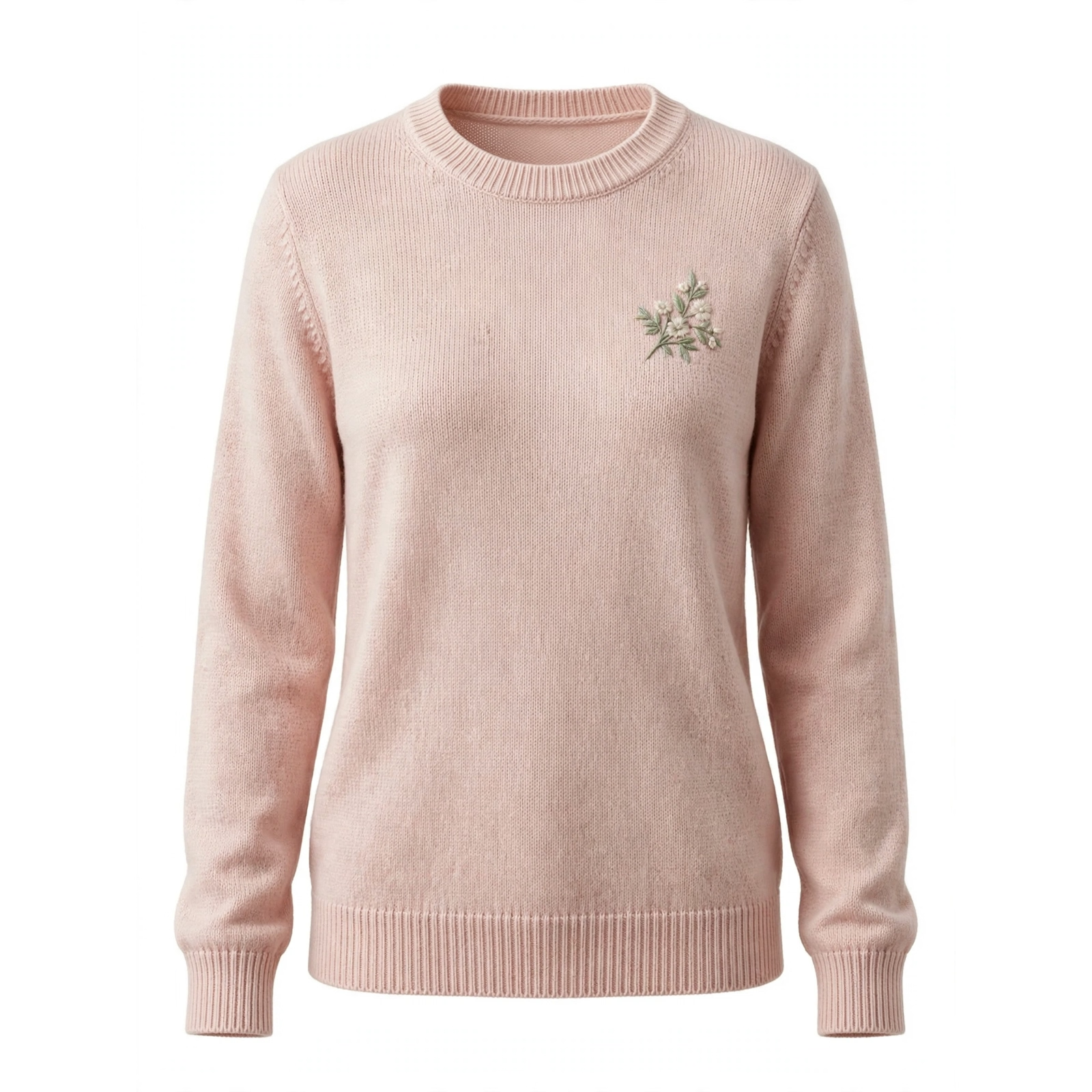
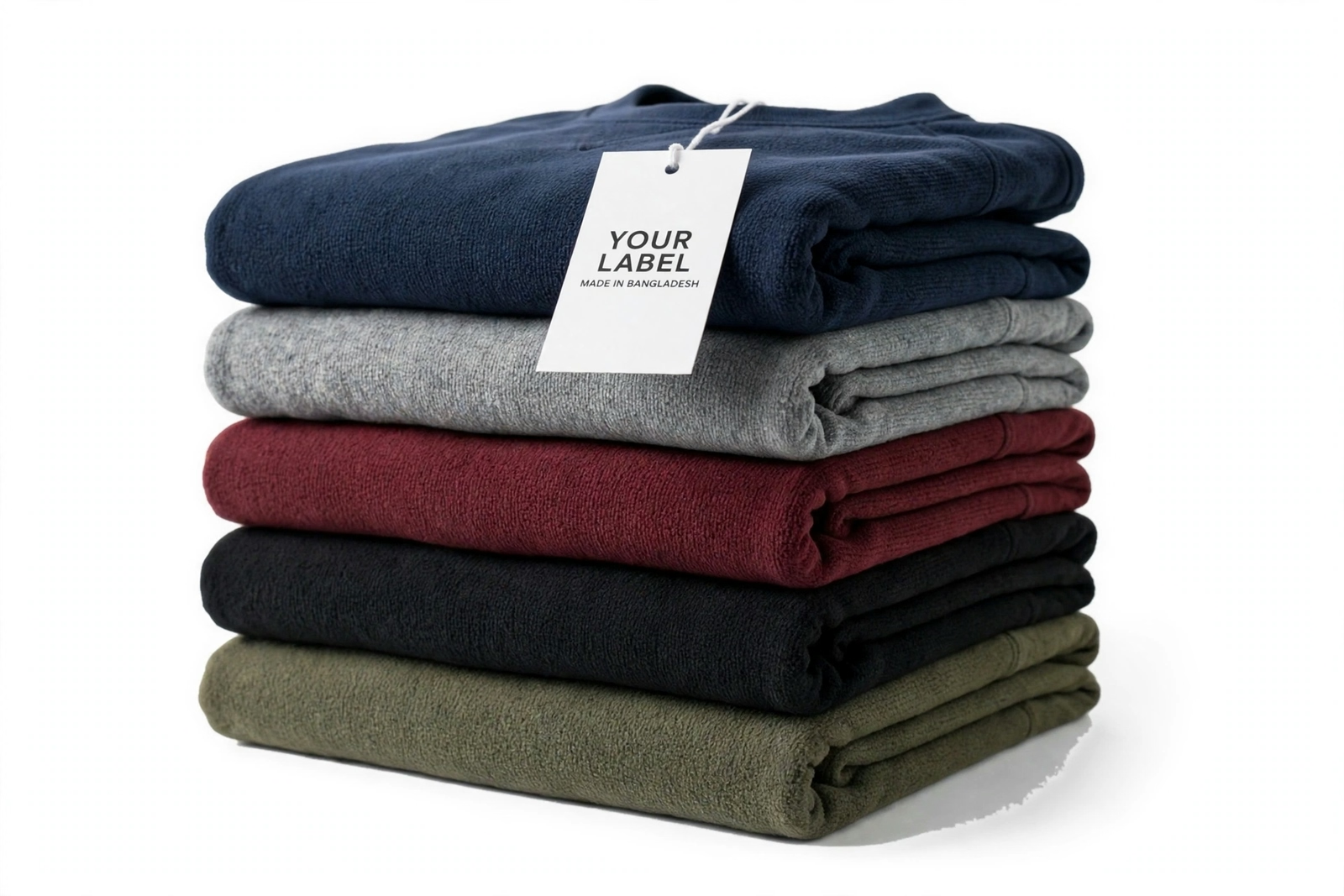
Knitwear carries branding quietly: a woven label in the back neck, a small embroidery, branded buttons on a cardigan. The private label clothing manufacturer service sets that artwork once and applies it across gauges and styles, so a buyer’s knitwear range reads as one brand from chunky to fine.
Seasonal Planning: Booking Knitwear Before the Autumn Peak
Knitwear has the sharpest season in the clothing trade. Almost every buyer’s sweaters are wanted in the same autumn weeks, and both yarn supply and machine time tighten as the season approaches.
- Yarn reserved against confirmed programmes before peak pricing
- Machine space allocated in booking order across the gauges
- Trial panels and approvals finished in spring for autumn delivery
- Colour and size breakdowns locked before knitting starts
Experienced knitwear buyers treat the calendar as part of the product. A programme booked early gets its yarn, its machines and its delivery window; the same programme booked late is competing for whatever capacity the season has left.
Colour Work in Knitwear: Lab Dips, Melanges and Shade Control
Colour behaves differently in yarn than in woven cloth. A shade is dyed into fibre or yarn before knitting, so the approval chain runs earlier and the control points are different:
- Lab dips approved in the actual yarn quality, not a substitute
- Melange and marl effects built from blended fibres
- Shade bands agreed for natural fibres, where lot variation is real
- Knitted shade panels checked under store lighting conditions
For multi colour work like jacquard and intarsia, every colour in the pattern is dipped and approved separately, then knitted together in the trial panel so the buyer judges the combination, not just the parts.
Festive Jumpers and Children’s Knitwear
Two knitwear niches run on their own rules. Festive jumpers are a short, intense season: bold intarsia and jacquard motifs, novelty textures and strict delivery dates, because a Christmas jumper delivered in January is worth nothing.
Children’s knitwear runs the opposite way: soft yarns, gentle finishes and safety checks on buttons and trims, in age graded sizes that parents trust. Both niches sit comfortably on the same machines; what changes is the development detail and the checking list, and both are planned as named programmes rather than squeezed between adult orders.
Knitwear Faults Buyers Watch For, and How We Prevent Them
Knitwear has its own fault list, and an experienced buyer’s inspector goes straight to it:
- Dropped stitches and holes: caught by panel inspection against light before linking
- Needle lines and barré: prevented by yarn lot control and machine maintenance records
- Uneven tension: checked panel by panel, since one tight panel distorts the garment
- Neck stretching: controlled by rib quality and linking tension at the collar
- Pilling: managed by yarn choice and anti pilling finishing where specified
Every fault found is traced to its machine and yarn lot, so the correction lands on the cause. A sweater programme that runs season after season stays consistent because the fault history is kept, not forgotten between orders.
Packing Knitwear So It Arrives Flat, Fresh and Uncreased
Knitwear is bulky and remembers folds. Packing is therefore part of the product: pieces are folded flat with tissue at the fold points, bagged without compression strain, and cartoned at weights that protect the bottom layer from pressure marks.
- Flat folding with tissue at fold points for crease control
- Individual bags sized to the garment, never forced
- Carton weights limited so lower layers are not crushed
- Silica and carton liners for sea freight humidity protection
Reorders: Keeping a Proven Sweater Alive for Years
The best knitwear business is repeat business. A sweater style that sells is reordered season after season, and the buyer’s fear is drift: a slightly different yarn, a slightly looser fit, a shade that has wandered.
Our reorder file for each style holds the approved panel, the yarn lot references, the wash recipe and the measurement record, so a reorder is knitted against physical evidence, not memory. Canadian and USA buyers with long running core styles rely on this file most; their fifth reorder matches their first, which is exactly what their customers expect.
Knitwear Manufacturing Specification at a Glance
| Machines | Flat knitting machines, gauges 3, 5, 7, 10, 12 and 14 |
| Construction | Fully fashioned panels, loop to loop linking |
| Yarns | Cotton, acrylic, wool blends, merino, cashmere blends, fancy yarns |
| Stitches | Cable, jacquard, intarsia, pointelle, rib and textured structures |
| Finishing | Recipe washing, blocking, pressing, anti pilling options |
| Export markets | Germany, UK, France, Italy, USA, Japan, Canada |
Questions Knitwear Buyers Ask This Bangladesh Manufacturer
How do German buyers secure machine time for winter programmes?
By booking the programme early with yarn reserved against it. Knitting capacity in the autumn peak is finite everywhere, and our planning holds machine space for confirmed programmes in order of booking.
Can a UK brand knit the same style in two gauges?
Yes, and it is a common range structure: a chunky version for winter and a fine version for layering. The pattern is reworked per gauge and each is sampled and approved separately.
What measurement tolerance do Japanese buyers work to on knitwear?
Tighter than most markets, and we knit to the buyer’s stated tolerance. The control point is washing: measurements are approved after the production wash recipe, so the shipped size is the approved size.
Do you knit children’s sweaters in soft yarns?
Yes. Children’s knitwear uses soft hand feel yarns, secure button attachment checks and the same fully fashioned construction as adult styles, in age graded sizes.
Can a Canadian brand add embroidery or badges to knitwear?
Yes. Embroidery, appliqué and woven badges are applied after knitting and washing, positioned from the approved sample. On fine gauges the backing and stitch density are adjusted so the decoration sits flat and does not pull the knitting out of shape. Placement is measured from fixed points on the garment, so the badge sits in the same position on every size in the range.
How does a USA buyer start a first knitwear programme?
Send the styles, target gauges and yarn ideas through our contact page. We reply with yarn options, trial panel timing and costings per style.
Read More About Knitwear Manufacturing in Bangladesh
Why does gauge change the price of the same sweater design?
Finer gauges knit more stitches per inch, which takes more machine time and usually finer, costlier yarn. The same design at 14 gauge is a different garment from its 5 gauge version in weight, drape and cost, which is why knitwear buyers specify gauge as firmly as they specify yarn.
How is flat knit knitwear different from jersey knit garments?
Jersey garments like t-shirts are cut from knitted fabric rolls. Flat knit knitwear is built panel by panel on the machine and linked, which gives sweaters their shaped fit and finished edges. Bangladesh built its knitwear export trade on this craft, organised through the Bangladesh Garment Manufacturers and Exporters Association alongside the wider garment industry.