
Garment Merchandising Services in Bangladesh
Garment merchandising at Siatex is the desk that holds your order together, one merchandiser following your styles from first costing to final dispatch.
Every order at Siatex Bangladesh has one name attached to it: your merchandiser. Merchandising is the service that holds the whole order together – costing, samples, materials, production and shipment – in the hands of one person who knows your styles and is accountable for your dates.
Simple to say, hardest to do well in this industry. A good merchandiser is translator, planner and early-warning system in one: your requirements become factory instructions, the factory’s reality becomes honest reporting.

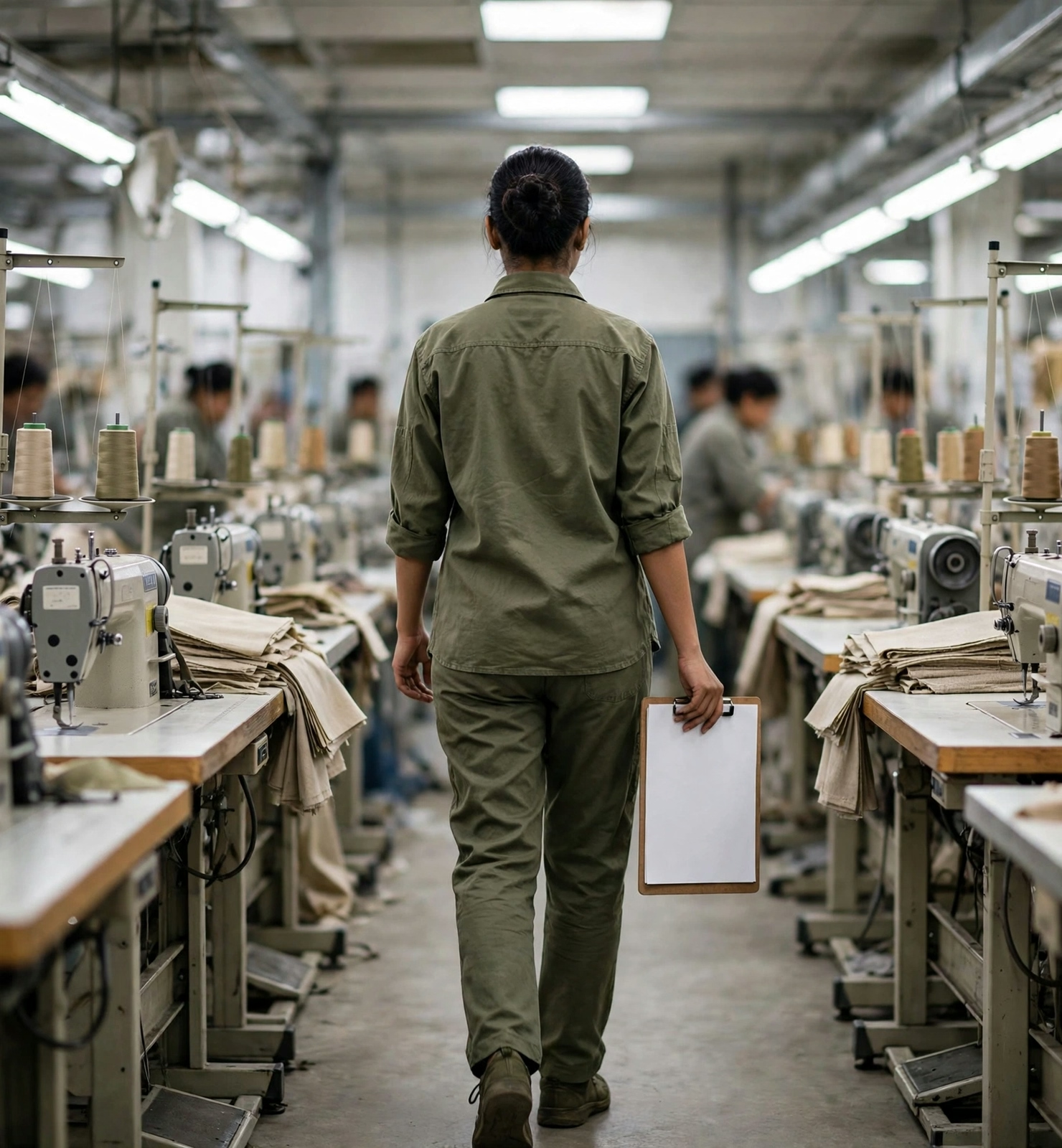




Garment Merchandising Services in Bangladesh for Private Label Brands
Garment merchandising at Siatex is the desk that holds your order together, one merchandiser following your styles from first costing to final dispatch.
Every order at Siatex Bangladesh has one name attached to it: your merchandiser. Merchandising is the service that holds the whole order together – costing, samples, materials, production and shipment – in the hands of one person who knows your styles and is accountable for your dates.
Simple to say, hardest to do well in this industry. A good merchandiser is translator, planner and early-warning system in one: your requirements become factory instructions, the factory’s reality becomes honest reporting.
Our merchandising team serves private label brands, importers and retail programmes in the USA, the UK, Germany, Canada and Australia, and buyers selling into Spain, the Netherlands, Denmark and the UAE. For two styles a season or a full range, the structure is the same: one owner per order, one critical path, reporting you can plan around.
Buyers rarely lose money on the sewing – they lose it in the gaps between stages, where an approval waited, a fabric arrived late or a date was promised without checking. The sections below explain how our merchandisers close those gaps: ownership, a written critical path, disciplined approvals and reporting that tells you what you need before you think to ask.
1. One Merchandiser Who Owns Your Order From Start to Finish
Your order is not passed between departments or answered by whoever is free. The merchandiser who costs your style follows it through sampling, buying, production and shipment – so the person answering your question is the person who stood at the line, saw the fabric and signed the file.
Ownership changes behaviour. Dates are checked before they are promised, because the same person will have to report against them; details are written down, because the same person will be asked about them in week nine. It is the structure behind the production updates our buyers rely on.
2. Order Follow Up Against a Written Critical Path
Every confirmed order gets a critical path: the dated chain from lab dips and approvals through fabric delivery, cutting, sewing, finishing and shipment, each step with an owner and a planned date. The merchandiser works the path daily – not at the weekly meeting, daily – and anything drifting is acted on while it is still a small problem.
You see the same path in your updates, so your own planning – freight bookings, warehouse slots, marketing dates – rests on the document the factory is actually managing from, the discipline that keeps our costing and pricing promises and our delivery dates telling the same story.
3. Clear Order Reporting in Writing, With Photographs
Verbal reassurance is worth nothing at distance, so our reporting is written and evidenced: stage updates with photographs of your garments, measurement and inspection summaries at the points that matter, and documents filed as they are produced – not gathered in a panic at shipment time.
The rhythm is agreed with you at order confirmation – how often, in how much detail, to whom – and then kept without being chased. A buyer running a fleece programme and a buyer running baby wear get reporting shaped to their own quality team’s habits, not a template blasted at everyone.
4. Approvals Managed on Time – Lab Dips, Strike Offs and Samples
More orders are delayed by slow approvals than by slow sewing. Your merchandiser runs the approval calendar actively: lab dips submitted in the right order, print strike offs and embroidery approvals chased with the sample room, comments turned into corrected submissions within days, and every approval recorded against the critical path it protects.
Where a comment changes cost, construction or date, you hear it with the approval – not at shipment. Programmes like our pajamas, where prints and soft-hand finishes carry the product, stay on calendar because approval management is treated as production work, not administration.
5. Communication in Your Working Hours, in Plain Language
Dhaka’s afternoon is Europe’s morning and North America’s early day, and our merchandisers work their communication around your desk, not theirs. Emails are answered in plain, specific language – what has happened, what happens next, what we need from you – without factory jargon or vague comfort.
Technical points are explained the way you would explain them to your own quality team, because most of our merchandisers have sat on both sides of the correspondence. When something needs a call rather than a thread, the call happens with the file open and the answers ready.
6. Problem Solving Before a Problem Reaches Your Shipment
Things go wrong in garment making; the service is in when you find out and what has already been done about it. A fabric lot failing inspection, a trim delayed at port, output drifting on a hard style – your merchandiser reports it with the cause, the options and the recommendation, while the shipment date can still be protected.
That habit is why problems on our orders usually end as footnotes. The buyer of a rompers programme hears about a button shortfall the week it happens, with the replacement already sourced – not in a shipment apology three weeks later.
On this page: garment merchandising services, merchandising support for, garment merchandising that and working together.
Merchandising Support for Clothing Buyers in the USA, Germany, Canada and Australia
Different markets ask different things of a merchandiser. United States programmes run on fixed ship windows and chargeback discipline; German buyers expect documentation that survives their own audit culture; Canadian and Australian teams plan seasons across long transits where one missed vessel costs a month.
Our merchandisers are matched to accounts with those habits in mind, and the order file is kept to the standard your own office would keep it – because at shipment time, your forwarder, your bank and your quality team will all read documents that started on a merchandiser’s desk in Bangladesh. Buyers who work with us season after season usually name the same reason: the order feels staffed, not processed – someone specific is watching it, and they know that person’s name. Garment merchandising owns the order book: costing, approvals, production follow-up and shipment in one pair of hands. Buyers get one garment merchandising contact for the whole order, not a different desk at every stage. Market and quota changes that affect an order are tracked against sources such as the ITC Trade Map, and garment merchandising flags them to the buyer early.
Working With a Garment Merchandising Desk in Bangladesh
Merchandising is the memory of an order: every approval, substitution and date lives in one file, and the garment that ships is only as good as that file. Buyers usually judge a merchandising desk on one order first, watching whether answers come from the file or from guesswork.
We merchandise only confirmed orders and hold no stock styles of our own, so your programme stays exclusive to your label. Our desk works inside the Bangladesh garment industry represented by the Bangladesh Garments Buying House Association, and our export paperwork follows the same national system your freight forwarder already knows.
- One merchandiser owns your order from costing to dispatch
- One file per order holding every approval and change
- Your specifications and history kept on file for repeats
- Stage updates sent without being chased
- Problems raised with options attached, not excuses
Most buyers in the USA, Germany and Canada run several styles through one desk at once, so the file discipline matters more as the range grows. A desk that keeps your full history can answer a question about last season from the record instead of from memory.
Merchandising runs to your range calendar, so sampling, costing and production slots are booked against your launch dates rather than ours. If a launch moves, your merchandiser re-plans the schedule with you before the change reaches the floor, not after it.
Range planning usually follows a style from first sketch to shipped carton across two or three seasons, so the file has to outlive the order. We keep your blocks, cost sheets and fit comments together, so a returning style arrives with its whole history attached. Core styles are held as standing files all year.
The merchandiser is the person who chases your sample rounds, measures the results against your chart and sends the report with the photographs. Comments come back to the same desk, so a correction made in round one is checked again in round two rather than trusted to memory.
During production your merchandiser reports at cloth booking, cutting, sewing, finishing and packing, and photographs of the finished garments are shared before dispatch. The file closes only when the documents reach you, so the next order opens with everything the last one learned.
Garment Merchandising That Keeps One File Per Order
Good garment merchandising is invisible when it works: approvals land on time and the shipment matches the order. Our garment merchandising desk keeps one file per order, so every comment and date sits in one place.
When a mill slips, garment merchandising tells the buyer the same day, with the fix already costed. That is what a garment merchandising team is for: problems surface early, while they are still cheap to solve.
Order documents are shared in the same shape they were kept, so your team can file them against the shipment and compare them with the cartons on arrival. Copies reach you on the day of dispatch, and the closed file stands ready when the repeat order opens.